Pumpkins, with their vibrant hues and versatile flesh, have long been celebrated in global cuisines and traditional medicine. However, often overshadowed by the fruit itself, pumpkin leaves (Cucurbita pepo L.)—known as uji in Nigeria, sayur labu in Indonesia, and calabacilla in Latin America—emerge as an unsung nutritional hero. Packed with vitamins, minerals, antioxidants, and bioactive compounds, these dark green leaves offer a plethora of health benefits while remaining a staple in traditional diets across Africa, Asia, and the Americas. This article delves into the nutritional profile, health-promoting properties, and precautions associated with consuming pumpkin leaves, shedding light on why this humble green deserves a place in modern kitchens.
Nutritional Profile: A Green Goldmine
Pumpkin leaves are a low-calorie, nutrient-dense food, making them an ideal addition to balanced diets. A 100-gram serving of cooked pumpkin leaves contains approximately 94 calories, 4 grams of protein, 0.6 grams of fat, and 17 grams of carbohydrates, including 3 grams of dietary fiber—roughly 12% of the daily recommended intake. What truly sets them apart, however, is their exceptional micronutrient content.
Vitamins:
Pumpkin leaves are a rich source of fat-soluble and water-soluble vitamins. They boast high levels of vitamin A, primarily as beta-carotene, a precursor to retinol, essential for vision, immune function, and skin health. Just 100 grams provide over 100% of the daily recommended intake (DRI) of vitamin A, surpassing even spinach and kale. They are also loaded with vitamin C (ascorbic acid), an antioxidant that supports collagen synthesis, wound healing, and iron absorption—with 100 grams offering around 50–70 mg of vitamin C, meeting 60–80% of the DRI. Additionally, they contain significant amounts of vitamin K (crucial for blood clotting and bone metabolism) and folate (vitamin B9), which is vital for cell division and fetal development during pregnancy.
Minerals:
These leaves are a powerhouse of essential minerals. They are particularly high in iron (approximately 5.5 mg per 100 grams), making them a valuable plant-based source for preventing iron-deficiency anemia, especially in vegetarian and vegan diets. Pumpkin leaves also provide ample calcium (300 mg per 100 grams), supporting bone density and muscle function, and magnesium (80 mg), which plays a role in over 300 enzymatic reactions, including energy production and blood pressure regulation. Other notable minerals include potassium (for electrolyte balance and heart health), zinc (immune support), and manganese (antioxidant defense).
Antioxidants and Bioactive Compounds:
Pumpkin leaves are brimming with antioxidants that combat oxidative stress, a key driver of chronic diseases. These include flavonoids (such as quercetin and kaempferol), phenolic acids, and carotenoids (beta-carotene and lutein). Lutein, in particular, is beneficial for eye health, reducing the risk of age-related macular degeneration. Additionally, the leaves contain cucurbitacins, triterpenoid compounds studied for their anti-inflammatory and anti-cancer properties.
Health-Promoting Properties: From Traditional Remedies to Modern Science
The consumption of pumpkin leaves has been linked to a range of health benefits, many of which are supported by both traditional use and emerging scientific research.
1. Supports Immune Function and Reduces Inflammation
The high vitamin C and beta-carotene content in pumpkin leaves strengthens the immune system by enhancing the activity of white blood cells and neutralizing free radicals. Studies suggest that the flavonoids and cucurbitacins in these leaves possess potent anti-inflammatory effects, inhibiting pro-inflammatory enzymes like COX-2. This makes pumpkin leaves potentially beneficial for managing chronic inflammatory conditions, such as arthritis, and reducing the risk of inflammatory diseases like heart disease and diabetes.
2. Enhances Bone Health
Pumpkin leaves are an excellent source of calcium, vitamin K, and magnesium—all critical for maintaining bone density. Vitamin K activates osteocalcin, a protein that binds calcium to the bone matrix, while calcium provides the structural material. Magnesium aids in vitamin D activation, further promoting calcium absorption. Regular consumption may help prevent osteoporosis, especially in postmenopausal women and older adults.
3. Regulates Blood Sugar and Diabetes Management
Pumpkin leaves have a low glycemic index (GI) and contain fiber, which slows carbohydrate digestion and prevents rapid spikes in blood sugar. Research indicates that the phenolic compounds in pumpkin leaves may improve insulin sensitivity by enhancing glucose uptake in cells. A 2018 study published in the Journal of Ethnopharmacology found that pumpkin leaf extract reduced blood sugar levels in diabetic rats by 30%, suggesting its potential as a complementary therapy for diabetes.
4. Promotes Heart Health
The potassium and fiber in pumpkin leaves contribute to cardiovascular wellness by regulating blood pressure and reducing LDL (“bad”) cholesterol. Potassium counteracts the effects of sodium, relaxing blood vessels and lowering hypertension risk. Meanwhile, soluble fiber binds to cholesterol in the digestive system, preventing its absorption. The antioxidant flavonoids also protect LDL particles from oxidation, a key step in the development of atherosclerosis.
5. Aids Weight Management and Digestion
With high fiber and low calorie content, pumpkin leaves are a weight-loss-friendly food. Fiber promotes satiety, reducing overall calorie intake, while also supporting digestive health by preventing constipation and feeding beneficial gut bacteria. A healthy gut microbiome, in turn, is linked to improved metabolism and reduced inflammation.
6. Boosts Iron Levels and Prevents Anemia
Pumpkin leaves are a boon for individuals with iron-deficiency anemia, particularly women of childbearing age and pregnant women. The iron in pumpkin leaves is non-heme, but its absorption is enhanced by the vitamin C content. A 2020 study in Nutrients found that combining pumpkin leaves with vitamin C-rich foods (like bell peppers or citrus) increased iron absorption by 40%, making it an effective natural remedy for anemia.
Culinary Uses: From Traditional Dishes to Modern Innovations
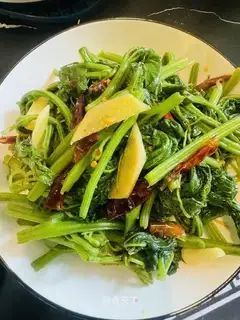
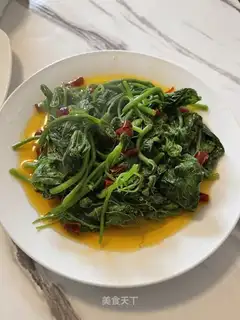
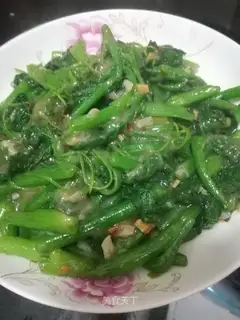
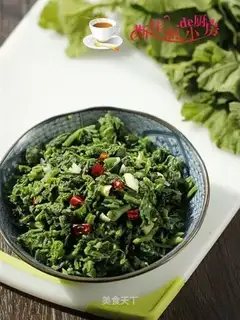
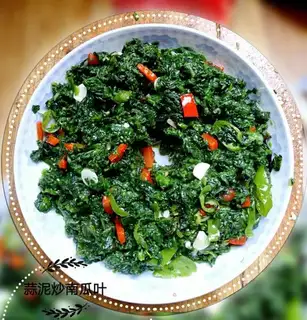
Beyond their health benefits, pumpkin leaves are celebrated for their culinary versatility. In Nigeria, ugu leaves are a key ingredient in soups like egusi and bitter leaf soup, often combined with meats, fish, and spices. In Southeast Asia, young pumpkin leaves are stir-fried with garlic, chili, or fermented shrimp paste (terasi) for a quick and nutritious side dish. In Latin America, they are used in stews (sopa de calabaza) or wrapped around fillings (dolmas).
Young, tender leaves are preferred for their mild flavor, while mature leaves can be tougher and should be blanched or cooked longer to soften. To preserve nutrients, it is best to cook pumpkin leaves lightly—steaming or sautéing—rather than boiling for extended periods, which can water-soluble vitamins like vitamin C.
Precautions and Potential Side Effects
While pumpkin leaves are generally safe for consumption, certain precautions should be taken to avoid adverse effects.
1. Pesticide Residues and Contamination
Conventionally grown pumpkin leaves may be treated with pesticides, which can accumulate on the surface. To minimize risk, choose organic or locally sourced leaves, and wash them thoroughly under running water or soak them in a solution of vinegar and water for 10–15 minutes before cooking.
2. Oxalate Content
Pumpkin leaves contain oxalates, naturally occurring compounds that can bind to calcium and form kidney stones in susceptible individuals. People with a history of kidney stones should consume pumpkin leaves in moderation and ensure adequate hydration to oxalate excretion.
3. Goitrogenic Effects
Like other cruciferous and leafy greens, pumpkin leaves contain goitrogens, which can interfere with thyroid function by inhibiting iodine uptake. Individuals with hypothyroidism should cook pumpkin leaves thoroughly, as heat reduces goitrogenic activity. Moderate consumption is unlikely to cause issues for those with healthy thyroid function.
4. Allergic Reactions
Though rare, some individuals may be allergic to pumpkin leaves, experiencing symptoms like itching, swelling, or digestive discomfort. Those with known allergies to cucurbits (e.g., cucumbers, melons) should exercise caution.
Conclusion: A Forgotten Superfood Rediscovered
Pumpkin leaves are a nutritional and culinary treasure, offering a sustainable and affordable way to enhance health. Their rich profile of vitamins, minerals, antioxidants, and bioactive compounds supports immune function, bone health, blood sugar regulation, and heart health—benefits that align with modern dietary recommendations for whole, plant-based foods. By incorporating pumpkin leaves into diets—whether through traditional recipes or innovative dishes—individuals can tap into the wisdom of traditional food systems while addressing contemporary nutritional needs.
As the global focus shifts toward sustainable and nutrient-dense foods, pumpkin leaves stand out as a prime example of how overlooked ingredients can offer profound health advantages. With proper preparation and awareness of precautions, these humble greens can transform from a “waste product” to a cornerstone of a healthy, balanced diet.