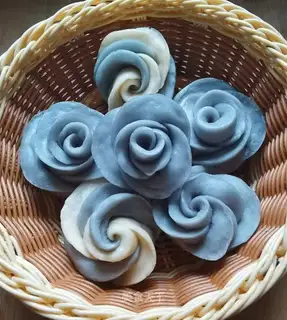
The vibrant blue hues of butterfly pea flower (Clitoria ternatea) have captivated cultures for centuries, adorning dishes, beverages, and traditional medicine practices across Southeast Asia, India, and tropical regions. Beyond its striking appearance, this edible flower is gaining global recognition as a nutritional powerhouse, offering a range of health benefits supported by both traditional wisdom and modern science. However, like any functional ingredient, it is essential to understand its nutritional profile, therapeutic effects, and potential precautions to harness its benefits safely. This article explores the nutritional value, health benefits, culinary applications, and safety considerations of butterfly pea flower, providing a comprehensive guide for incorporating this superfood into a balanced lifestyle.
Nutritional Profile of Butterfly Pea Flower
Butterfly pea flower is a low-calorie, nutrient-dense ingredient, rich in bioactive compounds that contribute to its health-promoting properties. Its nutritional composition includes:
1. Antioxidants: Anthocyanins and Flavonoids
The most notable feature of butterfly pea flower is its high concentration of anthocyanins, particularly delphinidin and cyanidin, water-soluble pigments responsible for its deep blue and violet colors. These antioxidants neutralize free radicals—unstable molecules that cause oxidative stress, linked to chronic diseases like cancer, diabetes, and neurodegenerative disorders. Studies show that anthocyanins in butterfly pea flower exhibit stronger antioxidant activity than vitamin C and E, protecting cells from damage.
In addition to anthocyanins, the flower contains flavonoids (e.g., kaempferol and quercetin) and proanthocyanidins, compounds that further enhance its antioxidant capacity. These molecules also possess anti-inflammatory properties, reducing markers of inflammation such as C-reactive protein (CRP) and interleukin-6 (IL-6).
2. Bioactive Compounds: Tannins and Polysaccharides
Butterfly pea flower contains tannins, polyphenols that contribute to its astringent taste and offer antimicrobial benefits. Tannins inhibit the growth of harmful bacteria, fungi, and viruses, making the flower a natural preservative and immune booster.
The flower also includes polysaccharides, complex carbohydrates that modulate immune function. Research indicates these polysaccharides enhance macrophage activity (a type of white blood cell) and promote cytokine production, strengthening the body’s defense against infections.
3. Vitamins and Minerals
While not as abundant in vitamins as fruits or vegetables, butterfly pea flower provides small amounts of vitamin A (important for vision and immune health), vitamin E (a fat-soluble antioxidant), and vitamin C (when consumed fresh or with vitamin C-rich foods). It also contains essential minerals like potassium (regulates blood pressure), calcium (supports bone health), and iron (prevents anemia), albeit in moderate quantities.
4. Protein and Fiber
Though primarily used for its color and flavor, butterfly pea flower contains trace amounts of protein (≈3–4% by dry weight) and dietary fiber (≈25–30%). Fiber aids digestion, promotes satiety, and stabilizes blood sugar levels, making the flower a functional addition to a fiber-rich diet.
Health Benefits of Butterfly Pea Flower
The synergy of antioxidants, bioactive compounds, and micronutrients in butterfly pea flower confers a wide array of health benefits, validated by both traditional medicine and contemporary research.
1. Cognitive Health and Neuroprotection
Traditional Ayurvedic and Chinese medicine have long used butterfly pea flower to enhance memory and treat neurological disorders. Modern studies support this: anthocyanins in the flower cross the blood-brain barrier, reducing oxidative stress in brain cells. Animal research demonstrates that Clitoria ternatea extract improves cognitive function in models of Alzheimer’s disease and memory impairment by inhibiting acetylcholinesterase (an enzyme that breaks down the neurotransmitter acetylcholine, crucial for memory).
2. Antidiabetic Properties
Butterfly pea flower shows promise in managing diabetes and its complications. Flavonoids and anthocyanins enhance insulin sensitivity, helping cells absorb glucose more efficiently. A 2020 study in Journal of Ethnopharmacology found that diabetic rats treated with butterfly pea flower extract had 30% lower blood sugar levels and improved pancreatic function. Additionally, the flower’s high fiber content slows carbohydrate digestion, preventing post-meal blood sugar spikes.
3. Anti-Inflammatory and Analgesic Effects
Chronic inflammation is a root cause of many diseases, from arthritis to heart disease. Butterfly pea flower’s anthocyanins and tannins suppress pro-inflammatory pathways (e.g., NF-κB and COX-2), reducing inflammation and pain. Traditional medicine uses it to treat arthritis, gout, and sore throats. A 2019 study in Phytotherapy Research confirmed its efficacy in reducing joint swelling and pain in osteoarthritis models.
4. Skin and Hair Health
The antioxidants in butterfly pea flower protect skin from UV-induced damage and premature aging. Anthocyanins boost collagen production, improving skin elasticity and reducing wrinkles. When applied topically (in masks or oils), it soothes inflammation and acne, thanks to its antimicrobial properties. For hair, it strengthens follicles, reduces dandruff, and enhances shine, making it a popular ingredient in natural hair care products.
5. Liver Protection
Butterfly pea flower hepatoprotective effects are well-documented. A 2018 study in Journal of Pharmacy and Bioallied Sciences found that its extract reduced liver damage in alcohol-induced toxicity models by increasing antioxidant enzymes (e.g., superoxide dismutase and glutathione) in liver tissue. Traditional healers use it to treat jaundice and fatty liver, attributing these benefits to its ability to detoxify and regenerate liver cells.
6. Mood Enhancement and Stress Relief
Adaptogenic compounds in butterfly pea flower help the body adapt to stress. It modulates cortisol levels (the stress hormone) and increases serotonin and dopamine production, improving mood and reducing anxiety. In Thailand, “butterfly pea tea” is consumed as a natural relaxant, often combined with lemongrass or honey to enhance its calming effects.
Culinary Uses and Color-Chemistry
Butterfly pea flower’s versatility in the kitchen stems from its natural pH-sensitive pigments, which shift from blue to purple or pink in acidic environments (e.g., when lemon juice or vinegar is added). This property makes it a favorite for creating visually striking dishes and beverages:
1. Teas and Infusions
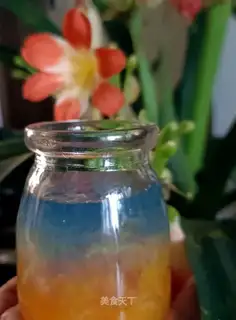
The most common use is butterfly pea flower tea, brewed by steeping dried flowers in hot water. The tea has a mild, earthy flavor and can be served hot or cold. To make “magic lemonade,” lemon juice is added to the tea, triggering a color change from blue to purple—a fun, interactive treat for children and adults alike.
2. Desserts and Beverages
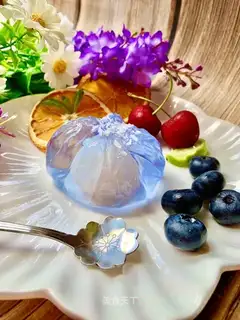
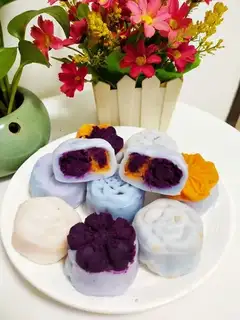
The flower is used to color and flavor desserts such as rice pudding (kheer), jellies, ice cream, and cakes. In Southeast Asia, it is a key ingredient in “bandung” (a rose syrup drink) and “Thai iced tea” (a caffeine-free, blue-hued version of the classic). Bartenders also use it to craft cocktails, where the color-shifting effect adds a dramatic flair.
3. Savory Dishes
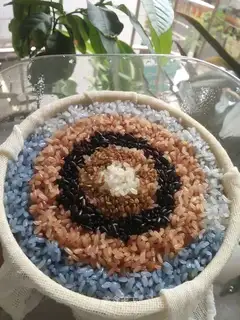
In some cultures, butterfly pea flower is incorporated into savory dishes. For example, in Malaysian cuisine, it is used to color nasi kerabu (blue rice) and curries, both for its color and subtle flavor. The flowers can also be dried and ground into a powder, used as a natural food coloring in pastas, breads, and sauces.
Precautions and Potential Side Effects
While butterfly pea flower is generally safe for consumption, certain precautions should be taken to avoid adverse effects:
1. Pregnancy and Breastfeeding
Pregnant and breastfeeding women should consult a healthcare provider before using butterfly pea flower. Traditional medicine suggests it may have uterine-stimulating properties, though limited scientific research exists on its safety during these stages.
2. Blood Pressure and Blood Sugar
Due to its potential to lower blood pressure and blood sugar, individuals taking medications for hypertension or diabetes should monitor their levels closely. Combining the flower with antihypertensive or hypoglycemic drugs may cause excessive drops in blood pressure or blood sugar.
3. Surgery
Butterfly pea flower may slow blood clotting, increasing the risk of bleeding during and after surgery. It is advisable to stop using it at least two weeks before a scheduled surgical procedure.
4. Allergic Reactions
Though rare, allergic reactions (e.g., skin rashes, itching, or difficulty breathing) may occur in individuals sensitive to Fabaceae family plants (e.g., peanuts, lentils). A patch test is recommended before topical use.
5. Dosage and Moderation
Excessive consumption (e.g., more than 3–4 cups of tea per day) may lead to digestive discomfort, nausea, or diarrhea. As with any functional food, moderation is key.
Conclusion
Butterfly pea flower is a remarkable example of how nature’s beauty and functionality intersect. Its rich antioxidant profile, anti-inflammatory, and neuroprotective properties, combined with its culinary versatility, make it a valuable addition to a healthy diet. From boosting cognitive health to enhancing skin vitality and managing diabetes, this flower offers evidence-based benefits rooted in both tradition and science. However, mindful consumption—especially for vulnerable groups—ensures that its vibrant potential is harnessed safely. As global interest in natural and functional foods grows, butterfly pea flower is poised to transition from a cultural staple to a mainstream superfood, proving that sometimes, the most powerful remedies are also the most visually enchanting.