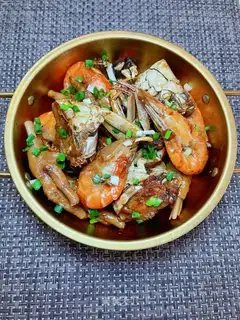
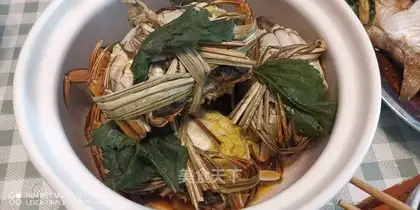
The Chinese mitten crab (Eriocheir sinensis), renowned as "dazha xie" in Mandarin, is a culinary icon in Eastern cuisine, particularly celebrated during autumn when the crustaceans reach peak flavor and nutritional richness. With its golden, armored shell and delicate, succulent meat, this delicacy has been savored for centuries, not only for its exquisite taste but also for its purported health benefits. However, like many prized foods, the mitten crab carries both nutritional virtues and potential risks when consumed improperly. This article explores the nutritional profile of the Chinese mitten crab, its health benefits, and essential precautions to ensure safe and enjoyable consumption.
I. Nutritional Value of the Chinese Mitten Crab
The Chinese mitten crab is a nutritional powerhouse, packed with high-quality protein, essential vitamins, minerals, and bioactive compounds that contribute to its status as a "superfood" in traditional Chinese medicine (TCM) and modern nutrition.
1. High-Quality Protein
Crab meat is an excellent source of lean protein, containing all nine essential amino acids necessary for human health. A 100-gram serving of cooked mitten crab meat provides approximately 18–20 grams of protein, with a low fat content (around 1–2 grams), making it an ideal choice for muscle maintenance, tissue repair, and immune function. Unlike fatty red meats, crab protein is easily digestible, making it suitable for individuals of all ages, including the elderly and those recovering from illness.
2. Essential Minerals
The crab’s exoskeleton and meat are rich in minerals vital for physiological processes:
- Selenium: A potent antioxidant, selenium plays a critical role in DNA synthesis, thyroid function, and immune regulation. Just one crab can meet over 100% of the daily recommended selenium intake, helping to combat oxidative stress and reduce inflammation.
- Zinc: Essential for immune health, wound healing, and DNA production, zinc is abundant in crab meat. A 100-gram serving provides roughly 30–40% of the daily requirement, supporting immune cell development and metabolic function.
- Copper: Works in tandem with iron to form red blood cells and supports nerve health. The mitten crab also provides phosphorus for bone strength and potassium for fluid balance.
3. Vitamins and Bioactive Compounds
- Vitamin B12: Crucial for nerve function and red blood cell formation, vitamin B12 is predominantly found in animal products. A single mitten crab can supply over 50% of the daily B12 needs, making it valuable for vegetarians or those with B12 deficiencies.
- Vitamin E: A fat-soluble antioxidant that protects cells from damage, vitamin E is present in crab roe (the crab’s eggs), which is particularly prized in Chinese cuisine for its rich, creamy texture and nutrient density.
- Omega-3 Fatty Acids: Though lower than fatty fish like salmon, crab meat contains beneficial omega-3s, including EPA and DHA, which support heart health, brain function, and anti-inflammatory processes.
4. Unique Bioactive Substances
TCM regards the mitten crab as a "warming" food with unique medicinal properties. Its roe and hepatopancreas (the "crab fat") are believed to contain peptides and polysaccharides that enhance vitality and detoxification. Additionally, the crab’s shell is a source of chitosan, a fiber with potential cholesterol-lowering and antimicrobial effects, though it is not typically consumed in whole-shell form.
II. Health Benefits of the Chinese Mitten Crab
Beyond its nutritional composition, the Chinese mitten crab is associated with a range of health benefits, supported by both traditional wisdom and emerging scientific research.
1. Supports Immune Function
The high selenium and zinc content in crab meat strengthens the immune system. Selenium enhances the activity of antioxidant enzymes like glutathione peroxidase, which neutralizes harmful free radicals, while zinc promotes the development of T-cells and antibodies. Regular consumption may reduce the risk of infections and support immune resilience, particularly during seasonal transitions.
2. Promotes Heart Health
Crab’s low-fat, high-protein profile, combined with omega-3 fatty acids and potassium, makes it heart-friendly. Omega-3s reduce triglycerides, lower blood pressure, and decrease inflammation in blood vessels, while potassium counteracts the effects of sodium, helping to regulate blood pressure. The absence of saturated fats further reduces the risk of atherosclerosis.
3. Aids in Bone and Joint Health
Crab is a natural source of calcium, phosphorus, and magnesium—minerals essential for bone density and strength. Additionally, chitosan derived from crab shells has been studied for its potential to alleviate osteoarthritis symptoms by inhibiting cartilage-degrading enzymes. For postmenopausal individuals or those at risk of osteoporosis, crab meat can be a valuable dietary supplement.
4. Enhances Brain Health and Cognitive Function
The omega-3 fatty acids (DHA and EPA) in crab are critical for brain development and maintenance. DHA is a major structural component of the brain and retina, supporting memory, focus, and mood regulation. Vitamin B12, also abundant in crab, prevents neurological disorders such as peripheral neuropathy and cognitive decline, particularly in older adults.
5. Boosts Energy and Vitality
In TCM, the mitten crab is considered a "yang-tonifying" food, believed to replenish qi (vital energy) and improve stamina. Its high protein content provides sustained energy release, while the roe and hepatopancreas are thought to nourish the blood and liver, addressing fatigue and weakness. Athletes and individuals with active lifestyles may benefit from its nutrient density for recovery and performance.
6. Supports Detoxification and Liver Health
Traditional Chinese medicine uses the mitten crab to "clear heat" and detoxify the body. Modern research suggests that the amino acids and antioxidants in crab meat may support liver function by aiding in the metabolism of toxins and reducing oxidative stress in hepatic tissues.
III. Precautions and Potential Risks
While the Chinese mitten crab offers numerous health benefits, improper consumption can lead to adverse effects. Understanding these risks is crucial for enjoying this delicacy safely.
1. Allergic Reactions
Shellfish allergies are among the most common food allergies, triggered by proteins like tropomyosin in crab meat. Symptoms range from mild (hives, itching) to severe (anaphylaxis, difficulty breathing). Individuals with known shellfish allergies should strictly avoid mitten crabs. First-time consumers, especially children, should start with small portions to assess tolerance.
2. High Cholesterol Content
Crab roe and hepatopancreas are rich in dietary cholesterol (approximately 200–300 milligrams per 100 grams), which may concern individuals with hypercholesterolemia or cardiovascular disease. However, recent research suggests that dietary cholesterol has a minimal impact on blood cholesterol for most people, as the liver regulates cholesterol production. Still, moderation is advised, and those with existing conditions should consult a healthcare provider.
3. Parasitic Infections
Raw or undercooked mitten crabs may harbor parasites such as Paragonimus westermani (lung fluke), which can cause abdominal pain, cough, and organ damage. To eliminate this risk, crabs must be cooked thoroughly—boiling, steaming, or stir-frying until the shell turns bright red and the meat is opaque. Pregnant women, children, and immunocompromised individuals should avoid raw crab dishes entirely.
4. Foodborne Illnesses
Improper handling or storage of crabs can lead to bacterial contamination (e.g., Vibrio species), causing food poisoning. Crabs should be kept alive until cooking and stored at 4°C (39°F) or below. After cooking, leftovers should be refrigerated within two hours and consumed within 24 hours.
5. Interaction with Medications
The mitten crab contains purines, which can exacerbate gout in susceptible individuals by increasing uric acid levels. Those with gout or kidney stones should limit consumption to 1–2 times per week. Additionally, the crab’s high vitamin K content may interact with blood thinners like warfarin, as vitamin K promotes blood clotting. Patients on anticoagulants should maintain consistent intake and consult their doctor.
6. TCM Contraindications
In traditional Chinese medicine, the mitten crab is considered a "warming" food, meaning it may aggravate "heat-related" conditions such as acne, inflammation, or fever. Individuals with these conditions should pair crab with cooling foods (e.g., cucumber, mint) or consume it in moderation. Pregnant women are advised to avoid excessive consumption due to its potential to cause "heatiness," which may lead to discomfort.
IV. Conclusion
The Chinese mitten crab is more than a culinary delight—it is a nutrient-dense food that offers a host of health benefits, from immune support to heart and brain health. Its rich profile of protein, minerals, vitamins, and bioactive compounds makes it a valuable addition to a balanced diet. However, to fully enjoy its virtues, one must respect the precautions: proper cooking to avoid parasites, moderation for those with cholesterol or gout concerns, and awareness of allergies and medication interactions.
When consumed mindfully, the Chinese mitten crab can be a cornerstone of both gastronomic pleasure and wellness, bridging the gap between tradition and modern nutrition. As autumn arrives and these crabs grace dining tables worldwide, savoring their delicate meat is not just an indulgence but a celebration of nature’s bounty—nourishing the body, delighting the palate, and connecting us to centuries of culinary wisdom.