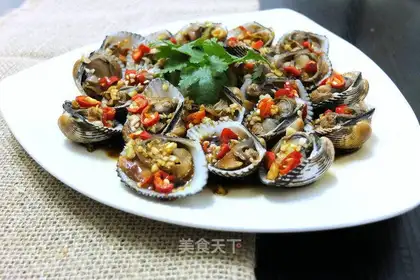
Seafood has long been celebrated for its nutritional density, and among the myriad of marine delicacies, the ark shell (scientifically known as Scapharca subcrenata or Anadara broughtonii) stands out as a nutrient-rich mollusk prized in East Asian cuisine for centuries. With its distinctively sweet, briny flavor and tender texture, this bivalve not only delights the palate but also offers a remarkable array of health benefits. However, like other seafood, ark shell consumption requires awareness of potential risks to ensure safe and enjoyable dining. This article explores the nutritional profile, health benefits, and important precautions associated with ark shell, providing a comprehensive guide for seafood enthusiasts and health-conscious individuals alike.
Nutritional Profile of Ark Shell
Ark shell is a nutritional powerhouse, packed with high-quality protein, essential vitamins, and minerals, while remaining relatively low in calories. A 100-gram serving of cooked ark shell (approximately 10–12 medium-sized shells) contains approximately:
- Protein: ~15 grams, providing all essential amino acids, including lysine, methionine, and leucine, which are vital for muscle repair, immune function, and enzyme production.
- Low Fat: ~1–2 grams, with most fats being heart-healthy unsaturated fatty acids, including omega-3 polyunsaturated fats (e.g., EPA and DHA), which are crucial for brain health and reducing inflammation.
- Vitamins:
- Vitamin B12: ~20 micrograms (over 800% of the Daily Value, DV), essential for nerve function, DNA synthesis, and red blood cell formation.
- Iron: ~3–4 milligrams (20% DV), in a highly bioavailable heme form, which is more easily absorbed by the body than non-heme iron from plant sources.
- Zinc: ~2–3 milligrams (25% DV), supporting immune health, wound healing, and DNA synthesis.
- Selenium: ~30 micrograms (50% DV), a powerful antioxidant that protects cells from oxidative damage and supports thyroid function.
- Minerals:
- Iodine: ~50 micrograms (35% DV), critical for thyroid hormone production, which regulates metabolism and growth.
- Copper: ~0.3 milligrams (30% DV), aiding in iron absorption and connective tissue formation.
- Phosphorus: ~150 milligrams (15% DV), essential for bone health and energy production.
- Carbohydrates: Negligible (~1–2 grams), making it an ideal choice for low-carb or keto diets.
This combination of nutrients positions ark shell as a "functional food"—one that provides not just basic nutrition but also targeted health benefits.
Health Benefits of Ark Shell
Regular consumption of ark shell, as part of a balanced diet, can contribute to improved overall health in several key areas:
1. Boosts Immune Function
The high levels of zinc, selenium, and vitamin B12 in ark shell make it a potent immune booster. Zinc is critical for the development and function of immune cells, such as neutrophils and natural killer (NK) cells, while selenium enhances antioxidant defenses, reducing oxidative stress that can weaken immunity. Vitamin B12 supports the production of red blood cells, which transport oxygen to tissues, including immune cells. Studies show that deficiencies in these nutrients are linked to increased susceptibility to infections, making ark shell a valuable dietary addition for maintaining immune resilience.
2. Supports Cardiovascular Health
Ark shell’s omega-3 fatty acids (EPA and DHA) are well-documented for their heart-protective effects. These fats help lower triglycerides, reduce blood pressure, decrease inflammation, and prevent the formation of blood clots, all of which lower the risk of atherosclerosis, heart attack, and stroke. Additionally, the low saturated fat content and presence of potassium (though not as high as in some other seafood) further support cardiovascular health by regulating blood pressure.
3. Enhances Brain and Cognitive Function
The omega-3s in ark shell are structural components of brain cell membranes, supporting communication between neurons and reducing neuroinflammation. DHA, in particular, is vital for brain development in infants and for maintaining cognitive function in adults. Research suggests that adequate omega-3 intake may improve memory, focus, and mood while reducing the risk of age-related cognitive decline, such as Alzheimer’s disease.
4. Promotes Muscle Recovery and Growth
With its high-quality protein and rich amino acid profile, ark shell is an excellent food for athletes and active individuals. Protein is essential for repairing muscle tissue damaged during exercise and for synthesizing new muscle fibers. Leucine, one of the branched-chain amino acids (BCAAs) in ark shell, stimulates muscle protein synthesis, aiding in post-workout recovery. The low calorie and fat content make it a lean protein source, ideal for those looking to build muscle while managing weight.
5. Prevents Anemia and Supports Energy Levels
Ark shell’s heme iron is highly bioavailable, meaning the body absorbs it more efficiently than non-heme iron from plant sources. Iron is a key component of hemoglobin, the protein in red blood cells that carries oxygen from the lungs to tissues. Iron deficiency can lead to anemia, characterized by fatigue, weakness, and shortness of breath. By providing a potent source of iron, ark shell helps maintain healthy iron levels and supports sustained energy production.
6. Supports Thyroid Health
The selenium and iodine in ark shell are both critical for thyroid function. The thyroid gland uses iodine to produce thyroid hormones, which regulate metabolism, body temperature, and growth. Selenium acts as a cofactor for enzymes that activate thyroid hormones, ensuring proper utilization. Together, these nutrients help prevent thyroid disorders, such as hypothyroidism or goiter.
7. Provides Antioxidant Protection
Selenium and zinc in ark shell function as antioxidants, neutralizing harmful free radicals that cause oxidative stress and cellular damage. Oxidative stress is linked to chronic diseases, including cancer, diabetes, and heart disease. By reducing oxidative stress, these minerals may help lower the risk of such conditions and slow the aging process.
Precautions and Potential Risks of Ark Shell Consumption
While ark shell offers numerous health benefits, improper consumption or overconsumption can lead to adverse effects. Understanding these risks is essential for safe enjoyment:
1. Allergic Reactions
Like other shellfish, ark shell is a common allergen. Shellfish allergies are often caused by proteins such as tropomyosin and arginine kinase, which trigger immune responses ranging from mild (hives, itching) to severe (anaphylaxis, difficulty breathing). Individuals with a known shellfish allergy should avoid ark shell entirely. Those trying it for the first time should start with a small portion and monitor for allergic reactions.
2. Heavy Metal Contamination
Ark shell, like many filter-feeding bivalves, can accumulate heavy metals (e.g., mercury, cadmium, lead) and environmental toxins from polluted waters. Mercury, in particular, is a neurotoxin that can harm the nervous system, especially in pregnant women, nursing mothers, and young children. To minimize risk, choose ark shell from reputable sources, such as certified sustainable fisheries or clean waters, and avoid consuming it in excess (e.g., more than 2–3 times per week).
3. Bacterial and Parasitic Infections
Raw or undercooked ark shell may contain harmful bacteria (e.g., Vibrio species, Salmonella) or parasites (e.g., Anisakis), which can cause foodborne illnesses. Symptoms include nausea, vomiting, diarrhea, and abdominal cramps. High-risk groups (pregnant women, young children, the elderly, and immunocompromised individuals) should avoid raw ark shell. To ensure safety, cook ark shell thoroughly: boil for 5–10 minutes until the shells open, or steam until the flesh is opaque. Discard any shells that do not open during cooking, as they may indicate dead shellfish and bacterial contamination.
4. Purine Content and Gout Risk
Ark shell is high in purines, natural compounds that break down into uric acid in the body. Excess uric acid can form crystals in the joints, triggering gout—a painful form of arthritis. Individuals with gout, a history of gout, or high uric acid levels should limit their intake of ark shell and other high-purine foods (e.g., sardines, organ meats). Moderation is key: occasional consumption (1–2 times per month) is unlikely to cause issues for most people, but those with gout should consult a doctor or dietitian.
5. Interaction with Medications
Ark shell’s high vitamin K content may interact with blood-thinning medications (e.g., warfarin), which work by inhibiting vitamin K-dependent clotting factors. Consistent intake of vitamin K-rich foods can reduce the effectiveness of these medications. Individuals taking blood thinners should maintain a stable intake of ark shell and consult their healthcare provider before making dietary changes.
6. Mercury Exposure in Vulnerable Populations
While ark shell generally contains lower mercury levels than large predatory fish (e.g., shark, swordfish), pregnant women, nursing mothers, and young children should still limit consumption to reduce the risk of mercury exposure, which can harm fetal and child development. The U.S. Food and Drug Administration (FDA) recommends that these groups eat no more than 2–3 servings of low-mercury seafood per week, with each serving being 4 ounces (cooked).
Conclusion
Ark shell is a nutrient-dense seafood that offers a wide range of health benefits, from boosting immunity and supporting heart health to enhancing muscle recovery and brain function. Its high protein, omega-3, and mineral content make it a valuable addition to a balanced diet, particularly for those seeking lean, nutrient-rich protein sources. However, its consumption must be approached with caution: allergic reactions, heavy metal contamination, bacterial infections, and purine-related risks highlight the importance of sourcing high-quality ark shell, cooking it thoroughly, and moderating intake, especially for vulnerable populations.
By understanding both the advantages and precautions associated with ark shell, individuals can enjoy this delicacy safely and harness its nutritional potential to support long-term health. Whether steamed, boiled, or added to soups and stews, ark shell exemplifies how seafood can be both a flavorful and functional component of a healthy lifestyle.