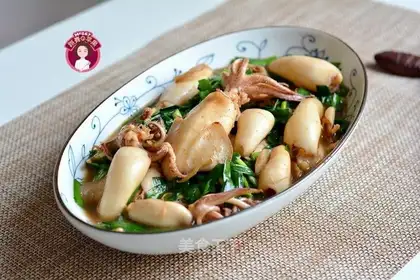
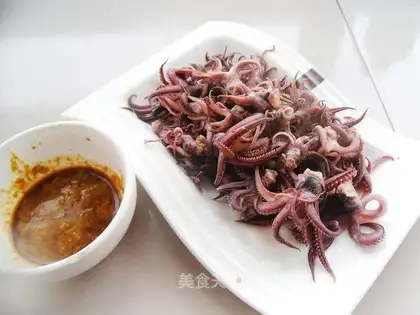
When one hears "sea hare," the image of a soft, marine mollusk with rabbit-like ear lobes might come to mind. Often overlooked in Western cuisine but celebrated in coastal communities worldwide, the sea hare (Aplysia genus) is more than just a curious sea creature—it is a nutritional treasure trove with a rich history of culinary and medicinal use. Despite its unassuming appearance, this sea slug offers a unique blend of high-quality protein, essential fatty acids, vitamins, and minerals, making it a valuable addition to a balanced diet. This article delves into the nutritional profile, health benefits, and important precautions associated with consuming sea hare, shedding light on why this marine delicacy deserves recognition.
Nutritional Profile: What Makes Sea Hare a Superfood?
Sea hares are low-calorie, nutrient-dense organisms, packing a punch of essential nutrients in every serving. A 100-gram portion of cooked sea hare typically contains:
1. High-Quality Protein
Protein is vital for muscle repair, immune function, and overall growth. Sea hare is an excellent source of complete protein, containing all nine essential amino acids that the human body cannot produce independently. With approximately 16-20 grams of protein per 100 grams, it rivals traditional protein sources like chicken or fish while being lower in saturated fat. This makes it an ideal choice for athletes, individuals seeking weight management, or those looking to diversify their protein intake.
2. Essential Fatty Acids
Unlike many land-based proteins, sea hare is rich in omega-3 and omega-6 fatty acids, particularly EPA (eicosapentaenoic acid) and DHA (docosahexaenoic acid). These polyunsaturated fats are critical for brain health, reducing inflammation, and supporting cardiovascular function. Studies show that omega-3s can lower triglyceride levels, improve blood vessel elasticity, and even alleviate symptoms of depression. The omega-3 to omega-6 ratio in sea hare is also more balanced than in many processed foods, helping to mitigate the inflammatory effects of excessive omega-6 intake in modern diets.
3. Vitamins and Minerals
Sea hare is a natural multivitamin, boasting an array of micronutrients:
- Vitamin B12: Essential for nerve function and DNA synthesis, vitamin B12 is predominantly found in animal products. Sea hare, as a marine organism, provides a significant amount, making it a valuable source for vegetarians or those with B12 deficiencies.
- Iron: Heme iron, the type found in sea hares, is more easily absorbed by the body than non-heme iron from plants. This makes it beneficial for preventing iron-deficiency anemia, a common condition characterized by fatigue and weakness.
- Zinc: Crucial for immune health, wound healing, and cell growth, zinc is abundant in sea hare. A single serving can meet 20-30% of the daily recommended intake, supporting the body’s defense against infections.
- Selenium: A powerful antioxidant, selenium protects cells from oxidative damage and supports thyroid function. Sea hare’s selenium content helps neutralize free radicals, reducing the risk of chronic diseases like cancer and heart disease.
- Iodine: As a marine species, sea hare absorbs iodine from seawater, making it an excellent source of this mineral. Iodine is essential for thyroid hormone production, which regulates metabolism, growth, and development.
4. Low in Calories and Fat
For health-conscious individuals, sea hare is a guilt-free indulgence. With only 80-100 calories per 100 grams, it is significantly lower in calories than fatty fish like salmon or beef. Its fat content is primarily unsaturated, promoting heart health rather than contributing to weight gain.
Health Benefits: Beyond Basic Nutrition
The nutritional composition of sea hare translates into a range of health benefits, supported by both traditional use and modern scientific research.
1. Supports Cardiovascular Health
The omega-3 fatty acids in sea hare are key to maintaining a healthy heart. They reduce triglycerides, lower blood pressure, and decrease the risk of arrhythmias (irregular heartbeats). Additionally, the low saturated fat content helps prevent the buildup of arterial plaque, reducing the likelihood of atherosclerosis and heart attacks.
2. Boosts Brain Function
DHA, a major omega-3 in sea hare, is a primary structural component of the brain and retina. Regular consumption has been linked to improved cognitive function, enhanced memory, and a reduced risk of neurodegenerative diseases like Alzheimer’s. Omega-3s also support mental health by reducing inflammation in the brain, which is associated with depression and anxiety.
3. Enhances Immune System
The combination of zinc, selenium, and vitamin B12 in sea hare strengthens the immune system. Zinc stimulates the production of immune cells, while selenium acts as an antioxidant to protect these cells from damage. Vitamin B12, meanwhile, supports the production of red blood cells, which transport oxygen to tissues—critical for immune response.
4. Promotes Healthy Skin and Hair
The high protein and omega-3 content in sea hare supports collagen production, a protein that keeps skin firm and elastic. Omega-3s also reduce inflammation in conditions like eczema and psoriasis, while zinc aids in wound healing and acne prevention. For hair, the protein and iron in sea hare strengthen follicles, reducing breakage and promoting growth.
5. Aids in Weight Management
With its high protein and low-calorie profile, sea hare is a satiating food that can help control appetite. Protein takes longer to digest than carbohydrates, keeping you full for longer and reducing overall calorie intake. This makes it a valuable addition to weight loss or maintenance diets.
Culinary Uses: From Traditional Dishes to Modern Cuisine
Sea hares have been a staple in coastal diets for centuries, particularly in Mediterranean, Asian, and Latin American cultures. In countries like Greece, Italy, and Japan, they are often prepared simply—grilled, boiled, or fried—with lemon, garlic, and herbs to enhance their natural flavor. In some regions, they are dried and powdered as a seasoning or used in broths to add umami depth.
Modern chefs are also experimenting with sea hare, incorporating it into ceviches, pasta dishes, and even sushi. Its mild, slightly sweet taste makes it versatile, allowing it to absorb flavors without being overpowering. For those new to sea hare, starting with a simple preparation is recommended to appreciate its unique texture and taste.
Precautions and Potential Side Effects
While sea hare offers numerous health benefits, there are important precautions to consider before consumption:
1. Source and Freshness
As with any seafood, the source of sea hare is critical. It must be harvested from clean, uncontaminated waters to avoid exposure to heavy metals, pollutants, or microplastics. Always purchase from reputable suppliers and ensure the product is fresh—fresh sea hare should have a mild, briny scent and firm flesh.
2. Allergic Reactions
Although rare, some individuals may be allergic to sea hares, especially if they have a shellfish or mollusk allergy. Symptoms can range from mild (hives, itching) to severe (anaphylaxis). First-time consumers should start with a small portion and monitor for adverse reactions.
3. Toxin Accumulation
Sea hares, like other marine organisms, can accumulate toxins from their diet. Some species feed on toxic algae, which can make them poisonous to humans. For example, the blue sea hare (Aplysia californica) sequesters toxins from cyanobacteria, causing skin irritation if handled improperly. Only consume species known to be safe, and avoid harvesting wild sea hares without expert guidance.
4. Proper Cooking
Raw or undercooked sea hare may harbor bacteria or parasites that can cause foodborne illnesses. Always cook sea hare thoroughly—boiling, grilling, or frying until it reaches an internal temperature of 63°C (145°F)—to ensure safety.
5. Pregnancy and Breastfeeding
Pregnant or breastfeeding women should consult a healthcare provider before consuming sea hare. While it is a good source of nutrients like omega-3s and iron, there is a risk of contamination in some marine species, which could harm the developing fetus or infant.
Conclusion: Embracing the Sea Hare as a Nutritional Powerhouse
Sea hare is a nutritional gem that offers a unique combination of protein, healthy fats, vitamins, and minerals. Its health benefits—from supporting heart and brain health to boosting immunity and promoting healthy skin—make it a valuable addition to a balanced diet. However, responsible consumption is key: sourcing fresh, safe seafood, cooking it properly, and being aware of potential allergies or toxins.
As global interest in sustainable and nutrient-rich foods grows, sea hare is gaining recognition as a viable alternative to traditional protein sources. By embracing this marine delicacy, we not only diversify our diets but also support the sustainable use of ocean resources. Whether enjoyed in a traditional Greek stew or a modern sushi roll, sea hare proves that the ocean’s bounty is as nutritious as it is delicious.
In a world where nutritional choices impact health and the environment, the sea hare stands out as a reminder that nature’s simplest organisms often hold the greatest power to nourish and heal.