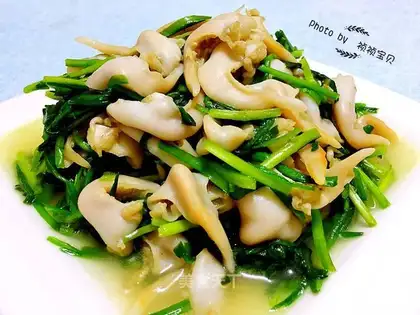
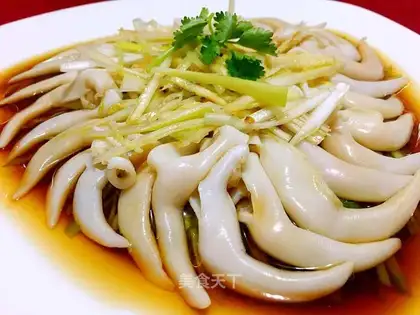
Bird clams, scientifically known as Mactra veneriformis or known by various regional names such as "surf clams" or "hen clams," are bivalve mollusks that thrive in the shallow, sandy coasts of the Pacific Ocean, particularly in East Asian countries like China, Japan, and Korea. Renowned for their tender, sweet flesh and distinctive fan-shaped shells, bird clams have been a prized culinary ingredient for centuries. Beyond their gastronomic appeal, these marine gems are packed with essential nutrients, offering a myriad of health benefits. However, like all seafood, they must be consumed with caution to avoid potential risks. This article explores the nutritional profile, health-promoting properties, and important precautions associated with bird clams, providing a comprehensive guide for seafood enthusiasts and health-conscious individuals alike.
Nutritional Profile of Bird Clams
Bird clams are a nutritional powerhouse, offering a rich blend of macronutrients, vitamins, and minerals in every serving. A 100-gram serving of raw bird clams (approximately 5–6 medium-sized clams) contains approximately:
- Protein: Around 15–18 grams, making them an excellent source of high-quality, low-fat protein. Protein is essential for muscle repair, immune function, and overall growth, and bird clams provide all essential amino acids, including lysine and methionine, which are often lacking in plant-based proteins.
- Low Fat: With only 1–2 grams of fat per serving, bird clams are a heart-healthy choice. The small amount of fat they contain is primarily composed of unsaturated fatty acids, including omega-3 fatty acids like EPA (eicosapentaenoic acid) and DHA (docosahexaenoic acid), which are critical for brain health and reducing inflammation.
- Carbohydrates: Negligible (less than 1 gram per serving), making them ideal for low-carb or ketogenic diets.
- Vitamins: Bird clams are exceptionally rich in B vitamins, particularly vitamin B12 (cobalamin), with a single serving providing over 300% of the daily recommended intake. Vitamin B12 is vital for nerve function, DNA synthesis, and the formation of red blood cells. They also contain smaller amounts of vitamin A (important for vision and immune health), vitamin E (an antioxidant that protects cells from damage), and vitamin C (though in modest quantities compared to fruits and vegetables).
- Minerals: These clams are a standout source of essential minerals. They provide iron (approximately 3–4 mg per serving, or 15–20% of the daily requirement), which is crucial for preventing anemia and supporting oxygen transport in the blood. Additionally, they are rich in zinc (2–3 mg per serving, about 20% of the daily value), which supports immune function and wound healing. Other notable minerals include selenium (a powerful antioxidant that protects against oxidative stress), phosphorus (for bone health and energy metabolism), and magnesium (for muscle and nerve function).
- Bioactive Compounds: Bird clams contain unique bioactive compounds, such as taurine, an amino acid that supports cardiovascular health, regulates blood pressure, and aids in bile acid digestion. They also provide glycogen, a stored form of glucose that can serve as a quick energy source, and peptides with potential antioxidant and anti-inflammatory properties.
Health Benefits of Bird Clams
The impressive nutritional composition of bird clams translates into a range of health benefits, making them a valuable addition to a balanced diet.
1. Supports Muscle Growth and Repair
With their high protein content and complete amino acid profile, bird clams are an excellent food for athletes, fitness enthusiasts, and individuals recovering from illness or surgery. Protein is the building block of muscles, and consuming bird clams can help maintain muscle mass, promote muscle recovery after exercise, and support overall physical health.
2. Boosts Immune Function
Bird clams are a natural source of zinc and selenium, two minerals that play pivotal roles in immune health. Zinc is essential for the development and function of immune cells, such as neutrophils and natural killer cells, while selenium enhances the activity of antioxidants like glutathione, which protects immune cells from damage. Regular consumption of bird clams may help reduce the risk of infections and support the body’s defense mechanisms.
3. Promotes Heart Health
The omega-3 fatty acids (EPA and DHA) in bird clams are well-known for their cardioprotective effects. These fats help lower triglyceride levels, reduce blood pressure, decrease inflammation, and prevent the formation of blood clots, thereby lowering the risk of heart disease and stroke. Additionally, the low saturated fat content of bird clams makes them a heart-healthy alternative to red meat and processed meats.
4. Enhances Brain and Nervous System Function
The high levels of vitamin B12 and omega-3 fatty acids in bird clams are particularly beneficial for brain health. Vitamin B12 is essential for maintaining the myelin sheath, which protects nerve fibers and ensures efficient signal transmission between brain cells. Omega-3 fatty acids, especially DHA, are major structural components of the brain and retina, supporting cognitive function, memory, and mood regulation. Studies suggest that adequate intake of these nutrients may reduce the risk of age-related cognitive decline and neurodegenerative diseases like Alzheimer’s.
5. Prevents Anemia and Supports Energy Levels
Iron deficiency is a leading cause of anemia, a condition characterized by fatigue, weakness, and shortness of breath. Bird clams are a rich source of heme iron, the type of iron found in animal products that is more easily absorbed by the body than non-heme iron (from plant sources). Pairing bird clams with vitamin C-rich foods (such as citrus fruits or bell peppers) can further enhance iron absorption, helping to prevent anemia and maintain optimal energy levels.
6. Provides Antioxidant and Anti-inflammatory Benefits
Bird clams contain antioxidants like selenium, vitamin E, and bioactive peptides that help neutralize harmful free radicals, reducing oxidative stress and inflammation in the body. Chronic inflammation is linked to a range of health issues, including arthritis, diabetes, and cancer. By reducing inflammation, bird clams may help lower the risk of these conditions and promote overall longevity.
Precautions and Potential Risks of Consuming Bird Clams
While bird clams offer numerous health benefits, they must be consumed with caution due to potential risks associated with their consumption. Understanding these precautions is essential to enjoy them safely.
1. Heavy Metal Contamination
As filter-feeding bivalves, bird clams accumulate toxins and heavy metals from their marine environment. They may contain high levels of mercury, cadmium, or lead, which can pose serious health risks if consumed in excess. Prolonged exposure to heavy metals can lead to neurological damage, kidney dysfunction, and developmental issues in children. To minimize risk, choose bird clams from reputable sources, preferably those from clean, unpolluted waters, and limit consumption to 2–3 times per week.
2. Bacterial and Parasitic Infections
Raw or undercooked bird clams may harbor harmful bacteria (such as Vibrio species, Salmonella, or E. coli) and parasites (such as Anisakis). These pathogens can cause foodborne illnesses, leading to symptoms like diarrhea, vomiting, abdominal pain, and fever. Individuals with weakened immune systems, pregnant women, young children, and the elderly are particularly vulnerable. To reduce the risk, always cook bird clams thoroughly: boil, steam, or grill them until the shells open and the flesh is opaque. Avoid consuming raw bird clams, such as in sushi or ceviche, unless they are certified safe for raw consumption.
3. Allergic Reactions
Seafood allergies are common, and bird clams are no exception. Allergic reactions to bird clams can range from mild (hives, itching, or swelling) to severe (anaphylaxis, which is life-threatening). Individuals with known shellfish allergies should avoid bird clams entirely. If you are trying bird clams for the first time, start with a small portion and monitor for any adverse reactions.
4. High Sodium Content
Bird clams can be high in sodium, especially if they are canned or preserved in salt. Excessive sodium intake is linked to high blood pressure and an increased risk of heart disease and stroke. To reduce sodium intake, opt for fresh or frozen bird clams and avoid canned varieties. If using canned clams, rinse them thoroughly under running water to remove excess salt.
5. Interaction with Medications
Bird clams contain vitamin K, which plays a role in blood clotting. Individuals taking blood-thinning medications (such as warfarin) should consume bird clams in moderation and maintain a consistent intake to avoid interfering with their medication’s effectiveness. Additionally, the high purine content of bird clams may trigger gout attacks in individuals with a history of the condition. Gout sufferers should limit their consumption or consult a healthcare provider before including bird clams in their diet.
Conclusion
Bird clams are a nutritional treasure trove, offering a wealth of protein, vitamins, minerals, and bioactive compounds that support muscle growth, immune function, heart health, and brain function. Their low fat and carbohydrate content make them an excellent choice for those seeking a healthy, nutrient-dense protein source. However, to reap their benefits safely, it is crucial to be aware of the potential risks associated with heavy metal contamination, bacterial infections, allergies, and high sodium content. By sourcing bird clams from reputable suppliers, cooking them thoroughly, and consuming them in moderation, you can enjoy their delicious flavor and numerous health advantages while minimizing potential hazards. Whether steamed, grilled, or added to soups and stews, bird clams are a versatile and nutritious addition to a balanced diet, offering a perfect blend of taste and wellness.