Introduction
In the vast landscape of culinary ingredients, pork stands as one of the most versatile and widely consumed meats globally, with cuts ranging from tenderloin to ribs. Among these, the pork scapula—also known as pork shoulder blade or picnic shoulder—often flies under the radar compared to more popular cuts like pork belly or loin. However, this humble, flavorful portion is not only a staple in global cuisines but also a nutritional powerhouse, offering a unique blend of macronutrients, vitamins, and minerals. From hearty stews to slow-roasted feasts, the pork scapula’s rich taste and tender texture when cooked low and slow have made it a favorite among home cooks and chefs alike. Beyond its culinary appeal, this cut boasts an impressive profile of health benefits, though it also comes with important considerations for safe consumption. This article delves into the nutritional value, health benefits, and potential risks associated with pork scapula, providing a comprehensive guide for anyone looking to incorporate this underrated cut into their diet.
Part 1: Nutritional Value of Pork Scapula
Pork scapula is derived from the shoulder blade of the pig, a muscle that works moderately, resulting in a marbled cut with a balance of lean meat and fat. This composition makes it not only flavorful but also nutritionally dense, offering a wide range of essential nutrients that support overall health.
Macronutrients: Protein, Fat, and Carbohydrates
A 100-gram serving of cooked pork scapula (without skin) provides approximately 25-30 grams of protein, making it an excellent source of high-quality protein. Protein is crucial for muscle repair, immune function, and the production of enzymes and hormones. The protein in pork scapula is “complete,” meaning it contains all nine essential amino acids that the body cannot produce on its own, including leucine, isoleucine, and valine—key for muscle protein synthesis.
In terms of fat, pork scapula contains about 15-20 grams of fat per 100 grams, with a mix of saturated, monounsaturated, and polyunsaturated fats. While it is higher in fat than leaner cuts like pork tenderloin, the majority of its fat is monounsaturated fat (similar to that in olive oil), which is heart-healthy when consumed in moderation. It also contains small amounts of omega-3 and omega-6 fatty acids, though in lower concentrations than fatty fish. Notably, pork scapula is carbohydrate-free, making it a suitable option for low-carb or ketogenic diets.
Vitamins: A Hidden Treasure Trove
Pork scapula is exceptionally rich in B vitamins, which play a vital role in energy metabolism, brain function, and red blood cell production. Key vitamins include:
- Vitamin B1 (Thiamine): Essential for converting food into energy and supporting nerve function. A 100-gram serving provides about 50-60% of the daily recommended intake (DRI).
- Vitamin B6 (Pyridoxine): Critical for protein metabolism, neurotransmitter synthesis, and immune health. Pork scapula offers around 30-40% of the DRI per serving.
- Vitamin B12 (Cobalamin): Vital for nerve health and DNA production, with pork being one of the best dietary sources for this vitamin (a 100-gram serving covers 100% of the DRI).
- Niacin (B3): Supports energy metabolism and skin health, with pork scapula providing 25-30% of the DRI per serving.
Additionally, it contains small amounts of vitamin D, especially in pasture-raised pigs, and trace amounts of vitamin E, an antioxidant that protects cells from damage.
Minerals: Building Blocks for Health
Pork scapula is a rich source of essential minerals, many of which are lacking in modern diets:
- Selenium: A powerful antioxidant that supports thyroid function and immune health. A 100-gram serving provides 40-50% of the DRI, making pork one of the best dietary sources of this mineral.
- Zinc: Crucial for immune function, wound healing, and DNA synthesis. Pork scapula offers about 30-35% of the DRI per serving.
- Phosphorus: Works with calcium to build strong bones and teeth, and supports energy production. A serving provides 25-30% of the DRI.
- Iron: Present in the “heme” form, which is more easily absorbed by the body than non-heme iron (found in plants). This makes pork scapula an excellent choice for preventing iron deficiency anemia, with a 100-gram serving supplying 15-20% of the DRI.
- Potassium: Helps regulate blood pressure and fluid balance, with a serving contributing 10-15% of the DRI.
Other Nutrients: Coenzyme Q10 and Choline
Pork scapula also contains coenzyme Q10 (CoQ10), an antioxidant that supports cellular energy production and heart health. While levels vary based on the pig’s diet, it is a notable addition to its nutritional profile. Additionally, it is rich in choline, a nutrient essential for brain development, liver function, and muscle movement—a single serving provides 25-30% of the DRI.
Part 2: Health Benefits of Pork Scapula
The combination of protein, vitamins, and minerals in pork scapula translates to a range of health benefits, from muscle maintenance to immune support. When consumed as part of a balanced diet, this cut can contribute to overall well-being.
1. Supports Muscle Mass and Physical Performance
With its high protein content and essential amino acids, pork scapula is an ideal food for building and preserving muscle mass. This is particularly beneficial for athletes, older adults (who are at risk of sarcopenia, or age-related muscle loss), and individuals recovering from injury. Leucine, one of the amino acids abundant in pork scapula, stimulates muscle protein synthesis, helping to repair and grow muscle tissue after exercise.
2. Boosts Energy Metabolism
The B vitamins in pork scapula act as cofactors in the body’s energy-producing pathways. For example, vitamin B1 helps convert carbohydrates into glucose, while vitamin B12 aids in the breakdown of fats and proteins. A deficiency in these vitamins can lead to fatigue, weakness, and poor cognitive function—making pork scapula a valuable addition to diets for active individuals or those with high energy demands.
3. Enhances Immune Function
Pork scapula’s zinc and selenium content are critical for a healthy immune system. Zinc supports the development and function of immune cells, such as neutrophils and natural killer cells, while selenium helps reduce oxidative stress and inflammation in the body. Studies show that adequate zinc and selenium intake can reduce the severity and duration of infections, including the common cold.
4. Promotes Brain Health and Cognitive Function
Choline, abundant in pork scapula, is often referred to as a “brain nutrient” because it is a precursor to acetylcholine, a neurotransmitter involved in memory, mood, and muscle control. Adequate choline intake during pregnancy is also essential for fetal brain development. Additionally, vitamin B12 supports nerve health and may help prevent cognitive decline in older adults.
5. Supports Bone Health
The phosphorus and protein in pork scapula work together to maintain strong bones. Phosphorus makes up about 1% of body weight and is a key component of hydroxyapatite, the mineral complex that gives bones their strength. Protein, meanwhile, provides the matrix for bone mineralization. A diet rich in these nutrients can help prevent osteoporosis and reduce the risk of fractures.
6. Aids in Red Blood Cell Production
The heme iron in pork scapula is highly bioavailable, meaning the body absorbs it more efficiently than non-heme iron from plant sources. Iron is a core component of hemoglobin, the protein in red blood cells that carries oxygen from the lungs to the rest of the body. Consuming pork scapula regularly can help prevent iron deficiency anemia, which is characterized by fatigue, weakness, and shortness of breath.
7. Contributes to Heart Health (When Consumed Wisely)
While pork scapula contains saturated fat, which has been linked to heart disease when consumed in excess, its overall nutritional profile can support heart health when part of a balanced diet. The monounsaturated fats in pork scapula can help lower LDL (“bad”) cholesterol, while the selenium and CoQ10 act as antioxidants, reducing oxidative stress in blood vessels. Additionally, the potassium in pork scapula helps regulate blood pressure by balancing sodium levels.
Part 3: Considerations and Precautions for Consumption
Despite its numerous benefits, pork scapula is not without potential risks. Certain factors, such as its fat content, cooking methods, and individual health conditions, must be considered to ensure safe and healthy consumption.
1. Fat Content and Caloric Density
Pork scapula is higher in fat and calories than leaner cuts of pork (e.g., pork loin). A 100-gram serving contains about 250-300 calories, compared to 150-200 calories in the same amount of pork loin. While the fat is primarily monounsaturated, excessive intake of saturated fat (which makes up about 30-40% of the total fat in pork scapula) can raise LDL cholesterol and increase the risk of heart disease. For this reason, moderation is key—limiting portions to 100-150 grams per serving and balancing it with vegetables and whole grains can help manage calorie and fat intake.
2. Cooking Methods: Avoid High-Heat Charring
Like all meats, pork scapula must be cooked thoroughly to kill harmful bacteria such as Salmonella, E. coli, and Listeria. However, high-heat cooking methods (e.g., grilling, frying) can create heterocyclic amines (HCAs) and polycyclic aromatic hydrocarbons (PAHs), compounds linked to an increased risk of cancer. To minimize these risks:
- Cook pork scapula at lower temperatures (e.g., slow-roasting, braising, or stewing).
- Avoid charring or blackening the meat.
- Marinate the meat in acidic solutions (e.g., vinegar, lemon juice) or herbs like rosemary, which can reduce HCA formation by up to 90%.
3. Sodium Intake in Processed Preparations
Many commercially prepared pork scapula products (e.g., cured shoulders, smoked picnic hams) are high in sodium due to added salt and preservatives. Excessive sodium intake can raise blood pressure and increase the risk of heart disease and stroke. To reduce sodium:
- Choose fresh, unprocessed pork scapula whenever possible.
- Limit consumption of cured or smoked varieties.
- Use herbs, spices, and citrus to flavor the meat instead of salt when cooking at home.
4. Individual Health Conditions
- Heart Disease and High Cholesterol: Individuals with existing heart conditions should consume pork scapula in moderation due to its saturated fat content. Opting for leaner cuts or trimming visible fat can help.
- Kidney Disease: Pork scapula is high in protein and phosphorus, which can strain the kidneys in individuals with kidney disease. Such patients should consult a healthcare provider or dietitian before including it in their diet.
- Gout: Purines, compounds found in all meats, can trigger gout attacks in susceptible individuals. While pork scapula is not the highest-purine meat (organ meats like liver are worse), those with gout should limit intake and avoid alcohol, which can exacerbate symptoms.
5. Food Safety: Proper Handling and Storage
To prevent foodborne illness:
- Store pork scapula at or below 4°C (39°F) and use within 2-3 days of purchase, or freeze for up to 6 months.
- Wash hands, utensils, and surfaces thoroughly after handling raw pork.
- Cook pork scapula to an internal temperature of 71°C (160°F) to ensure safety.
Part 4: Culinary Uses and Serving Suggestions
Pork scapula’s versatility in the kitchen makes it a favorite for both home cooks and chefs. Its marbled fat renders slowly during cooking, resulting in tender, juicy meat that pairs well with a variety of flavors. Here are some popular ways to prepare it:
1. Slow-Roasted Pork Shoulder
A classic preparation for pork scapula is slow-roasting, which breaks down the connective tissue and fat, resulting in melt-in-your-mouth meat. Season with garlic, rosemary, thyme, and a touch of brown sugar, then roast at 150°C (300°F) for 4-6 hours until the meat is fork-tender. Serve with roasted vegetables or a side of applesauce.
2. Pulled Pork Sandwiches
Pork scapula is the ideal cut for pulled pork, a staple in American Southern cuisine. Braise the meat with a tangy BBQ sauce, apple cider vinegar, and spices, then shred it with a fork. Serve on brioche buns with coleslaw for a hearty meal.
3. Stews and Curries
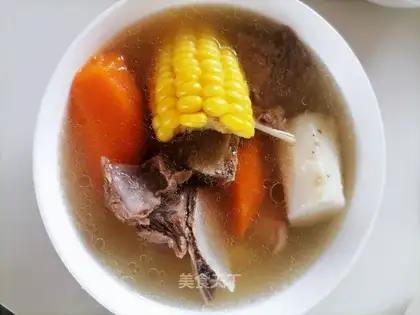
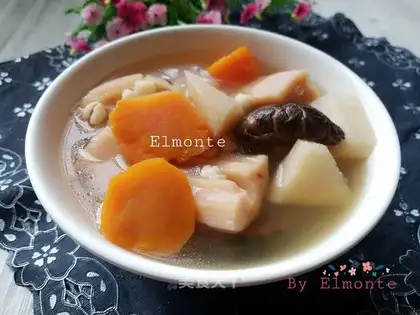
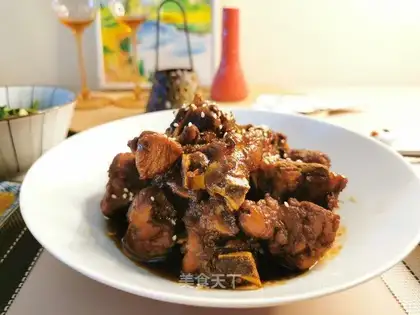
The rich flavor of pork scapula holds up well in long-simmered stews and curries. Add it to a mix of root vegetables, beans, and tomatoes, or use it in a Thai red curry with coconut milk and basil. The meat becomes tender and absorbs the spices, creating a comforting, flavorful dish.
4. Marinated and Grilled
For a lighter option, marinate pork scapula in a mixture of soy sauce, ginger, garlic, and sesame oil, then grill it over medium heat until cooked through. Slice thinly and serve with a side of steamed rice and vegetables.
Conclusion
Pork scapula is a nutritional powerhouse that offers a unique combination of protein, vitamins, and minerals, making it a valuable addition to a balanced diet. From supporting muscle mass and energy metabolism to boosting immune function and brain health, its benefits are wide-ranging. However, like all foods, it should be consumed in moderation and prepared using healthy cooking methods to maximize its advantages and minimize risks. Whether slow-roasted, stewed, or grilled, pork scapula’s versatility and rich flavor make it a cut that deserves a place in kitchens worldwide. By understanding its nutritional value, health benefits, and precautions, individuals can enjoy this underrated ingredient while promoting their overall well-being.