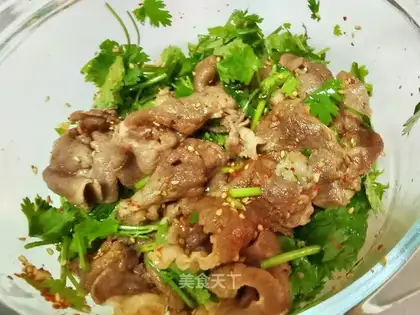
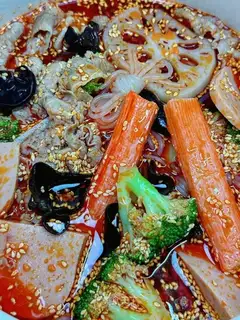
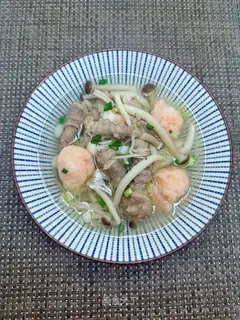
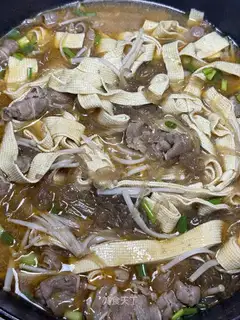
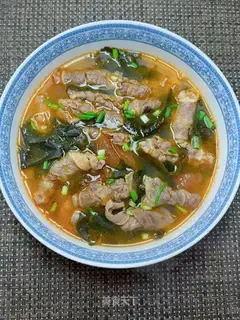
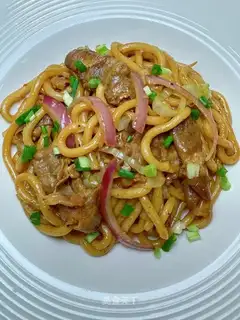
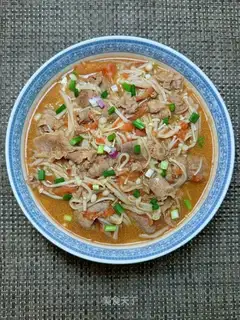
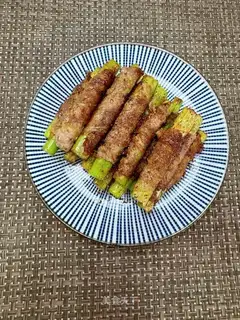
Beef slices, commonly known as "肥牛" (fei niu) in Chinese cuisine, are thinly sliced cuts of beef—typically from well-marbled cuts like sirloin or brisk—that have become a global staple in hot pot, stir-fries, and grilled dishes. Beyond their tender texture and rich flavor, beef slices are a nutritional powerhouse, offering high-quality protein, essential vitamins, and minerals that support overall health. However, like all foods, they must be consumed mindfully to maximize benefits and avoid potential risks. This article explores the nutritional profile of beef slices, their health benefits, and important precautions for safe consumption.
I. Nutritional Value of Beef Slices
Beef slices are a concentrated source of nutrients vital for human physiology, making them an excellent choice for individuals seeking to enhance their diet with high-quality animal-based foods.
1. High-Quality Protein
Protein is the building block of muscles, tissues, and enzymes, and beef slices provide an abundant supply of complete protein—meaning they contain all nine essential amino acids that the body cannot produce independently. A 100-gram serving of cooked beef slices typically offers 25–30 grams of protein, with a biological value of over 90, making it one of the most digestible and absorbable protein sources. This is particularly beneficial for athletes, growing adolescents, and older adults looking to maintain muscle mass.
2. Rich in Iron and Zinc
Beef is a standout source of heme iron, the type of iron found in animal products that is more easily absorbed by the body than non-heme iron from plants. A 100-gram serving of beef slices provides approximately 2.5–3.5 milligrams of iron, meeting 15–20% of the daily recommended intake for adults. Iron is critical for hemoglobin production, which transports oxygen in the blood, and for preventing iron-deficiency anemia, a common condition characterized by fatigue, weakness, and cognitive impairment.
Similarly, beef slices are packed with zinc, a mineral essential for immune function, wound healing, and DNA synthesis. A 100-gram serving delivers 4–6 milligrams of zinc, covering 30–40% of the daily requirement. Zinc deficiency has been linked to impaired immune responses and delayed growth in children.
3. B Vitamins: Energy and Metabolism Boosters
Beef slices are a natural reservoir of B vitamins, particularly vitamin B12, niacin (B3), and riboflavin (B2). Vitamin B12 is crucial for nerve function, red blood cell formation, and DNA synthesis; its deficiency can lead to pernicious anemia and neurological damage. A 100-gram serving of beef slices provides 2–3 micrograms of vitamin B12, exceeding the daily recommended intake for most adults. Niacin supports energy metabolism by converting food into usable energy, while riboflavin aids in maintaining healthy skin and eyes.
4. Healthy Fats and Conjugated Linoleic Acid (CLA)
While beef slices are often associated with saturated fat, their fat content varies depending on the cut and trimming. Marbled cuts contain more monounsaturated and saturated fats, but they also offer small amounts of conjugated linoleic acid (CLA), a fatty acid studied for its potential role in reducing body fat, improving immune function, and combating inflammation. Grass-fed beef slices, in particular, tend to have higher levels of omega-3 fatty acids and CLA compared to grain-fed varieties.
5. Other Micronutrients
Beef slices also provide phosphorus (for bone health), selenium (an antioxidant that protects cells from damage), and choline (important for brain development and liver function). These micronutrients work synergistically to support overall physiological processes.
II. Health Benefits of Beef Slices
The nutrient density of beef slices translates into a range of health benefits, from muscle maintenance to immune support.
1. Promotes Muscle Growth and Repair
The high-quality protein and amino acids in beef slices make them ideal for muscle synthesis and repair. This is particularly valuable for athletes engaged in intense training, as protein helps repair microtears in muscle fibers and stimulates muscle hypertrophy. For older adults, adequate protein intake from sources like beef slices can counteract age-related muscle loss (sarcopenia), preserving strength and mobility.
2. Enhances Athletic Performance and Recovery
Beef slices are rich in creatine, a compound stored in muscles that provides quick energy during short bursts of intense activity, such as sprinting or weightlifting. Additionally, the iron and B vitamins in beef support oxygen delivery and energy metabolism, reducing fatigue and improving exercise endurance. Post-workout, the protein in beef aids in glycogen replenishment and muscle recovery, helping athletes bounce back faster.
3. Supports Immune Function
The combination of zinc, vitamin B12, and selenium in beef slices plays a key role in maintaining a robust immune system. Zinc is essential for the development and function of immune cells, such as neutrophils and natural killer cells, while vitamin B12 supports the production of antibodies. Selenium, as an antioxidant, helps reduce oxidative stress, which can weaken immune defenses. Regular consumption of beef slices may therefore help the body resist infections and illnesses.
4. Prevents Nutrient Deficiencies
For individuals with limited access to diverse food groups, such as those following restrictive diets or living in food-insecure regions, beef slices can help prevent deficiencies in iron, zinc, and vitamin B12. These deficiencies are prevalent among vegetarians, vegans, and pregnant women, and beef slices offer a bioavailable solution to bridge nutritional gaps.
5. Supports Cognitive Health
Vitamin B12 and choline in beef slices are vital for brain function. Vitamin B12 helps maintain the myelin sheath that protects nerve fibers, while choline is a precursor to acetylcholine, a neurotransmitter involved in memory and mood. Adequate intake of these nutrients may reduce the risk of cognitive decline and neurodegenerative diseases like Alzheimer’s.
III. Precautions and Potential Risks
While beef slices offer numerous health benefits, excessive or improper consumption can lead to adverse effects. Understanding these risks is key to enjoying beef slices safely.
1. Limit Saturated Fat and Cholesterol Intake
Beef slices, especially from fattier cuts, can be high in saturated fat and cholesterol. Diets rich in saturated fat have been linked to elevated LDL ("bad") cholesterol levels, increasing the risk of heart disease and stroke. To mitigate this, opt for lean cuts (such as sirloin or tenderloin), trim visible fat, and limit portion sizes to 100–150 grams per serving. Moderation is particularly important for individuals with pre-existing cardiovascular conditions.
2. Avoid Overcooking to Reduce Carcinogens
High-temperature cooking methods, such as grilling or pan-frying beef slices at very high heat, can produce heterocyclic amines (HCAs) and polycyclic aromatic hydrocarbons (PAHs)—compounds linked to an increased risk of cancer. To minimize these carcinogens, cook beef slices at lower temperatures, use marines rich in herbs and spices (e.g., rosemary, garlic), and avoid charring the meat. Steaming or boiling are safer alternatives for hot pot dishes.
3. Watch for Sodium in Processed Beef Slices
Many commercially available beef slices are pre-marinated or processed with high levels of sodium to enhance flavor and shelf life. Excessive sodium intake is a major contributor to hypertension and cardiovascular disease. Check nutrition labels for sodium content and choose low-sodium or unprocessed varieties whenever possible. For homemade beef slices, use minimal salt and rely on natural seasonings like black pepper or ginger.
4. Ensure Proper Food Safety
Beef slices are perishable and can harbor harmful bacteria such as E. coli, Salmonella, or Listeria if not handled or cooked correctly. To prevent foodborne illness:
- Store safely: Keep beef slices refrigerated at 4°C (39°F) or below and consume within 2 days of purchase.
- Cook thoroughly: Beef slices should be cooked to an internal temperature of 70°C (160°F) to kill pathogens.
- Avoid cross-contamination: Use separate cutting boards and utensils for raw meat and ready-to-eat foods.
5. Consider Individual Health Conditions
Individuals with certain health conditions should exercise caution when consuming beef slices:
- Kidney disease: High protein and phosphorus content may strain kidney function; consult a doctor before consumption.
- Gout: Beef slices are purine-rich, and excessive purine intake can trigger gout attacks. Limit intake during flare-ups.
- Inflammatory bowel disease (IBD): High fat and protein content may worsen symptoms in some IBD patients; opt for lean, well-cooked cuts.
IV. Conclusion
Beef slices are a nutrient-dense food that offers a wide range of health benefits, from muscle growth to immune support. Their high-quality protein, iron, zinc, and B vitamins make them a valuable addition to a balanced diet. However, to reap these benefits safely, it is essential to choose lean cuts, cook them properly, and consume them in moderation. By understanding both the advantages and precautions associated with beef slices, individuals can enjoy this delicious and nutritious ingredient as part of a healthy lifestyle. Whether in a steaming hot pot or a quick stir-fry, beef slices can be a flavorful and functional component of a well-rounded diet when approached with knowledge and care.