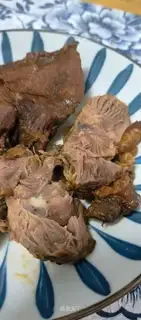
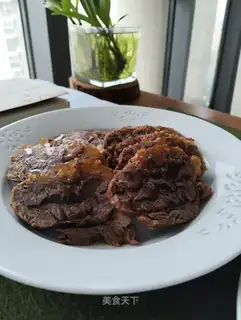
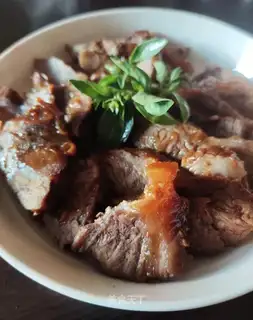
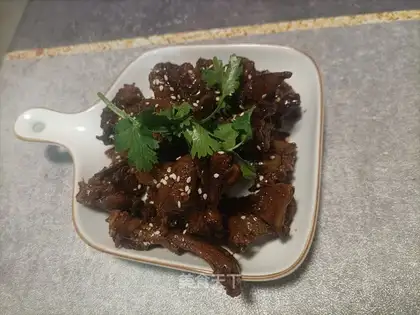
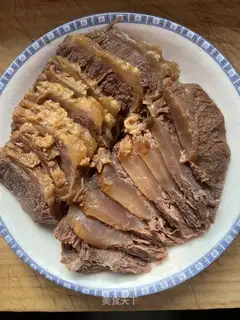
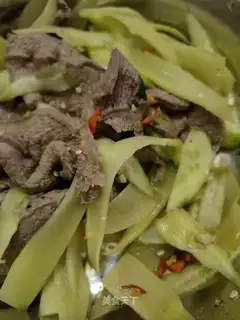
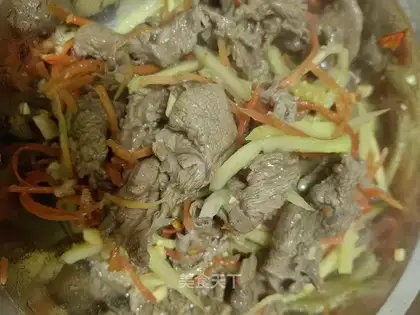
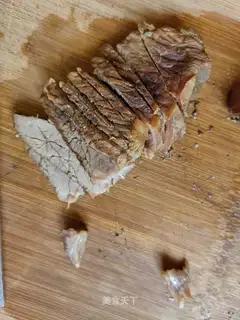
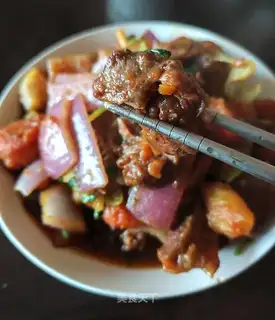
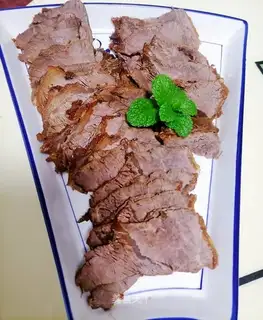
Beef shank, a cut of meat from the leg of a cow, is often celebrated for its rich flavor, tender texture when cooked low and slow, and impressive nutritional profile. While sometimes overshadowed by more tender cuts like sirloin or ribeye, beef shank is a hidden gem in both culinary and nutritional realms. Packed with high-quality protein, essential vitamins, and minerals, it offers a range of health benefits when consumed as part of a balanced diet. However, like all foods, it comes with important considerations—particularly regarding portion control, cooking methods, and potential dietary restrictions. This article explores the nutritional value of beef shank, its health benefits, and key precautions to maximize its advantages while minimizing risks.
Nutritional Value of Beef Shank
Beef shank is a nutrient-dense food, meaning it provides a significant amount of vitamins and minerals relative to its calorie content. A 100-gram (3.5-ounce) serving of cooked beef shank (trimmed of visible fat) contains approximately:
- Protein: 30–35 grams, making it an excellent source of complete protein. Unlike plant-based proteins, beef protein contains all nine essential amino acids (histidine, isoleucine, leucine, lysine, methionine, phenylalanine, threonine, tryptophan, and valine) that the body cannot produce independently. These amino acids are critical for muscle repair, immune function, and enzyme production.
- Vitamin B12: 2–3 micrograms (mcg), or over 100% of the Daily Value (DV). Vitamin B12 is essential for nerve function, DNA synthesis, and red blood cell formation. Deficiency can lead to anemia, fatigue, and neurological damage.
- Iron: 3–4 milligrams (mg), mostly in the form of heme iron. Heme iron is more easily absorbed by the body (15–35%) than non-heme iron from plants (2–20%), making beef shank a key food for preventing iron-deficiency anemia, especially in women and children.
- Zinc: 5–7 mg, or 40–50% of the DV. Zinc supports immune health, wound healing, and DNA synthesis. It also plays a role in taste and smell perception.
- Selenium: 20–30 mcg, or 40–50% of the DV. Selenium acts as an antioxidant, protecting cells from damage, and is vital for thyroid function.
- Phosphorus: 200–250 mg, or 20–25% of the DV. Phosphorus works with calcium to build strong bones and teeth and is involved in energy production.
- Niacin (Vitamin B3): 5–7 mg, or 30–40% of the DV. Niacin helps convert food into energy, supports skin health, and maintains proper nervous system function.
Additionally, beef shank contains smaller amounts of other B vitamins (B6, riboflavin, and thiamine), as well as potassium and magnesium. However, it is also relatively high in fat—particularly saturated fat (3–5 grams per 100 grams)—and cholesterol (70–90 mg). Choosing lean cuts and trimming visible fat can reduce these components without sacrificing nutrients.
Health Benefits of Beef Shank
The nutrient profile of beef shank translates into several health benefits, making it a valuable addition to a balanced diet when consumed mindfully.
1. Supports Muscle Mass and Physical Strength
Protein is the building block of muscles, and beef shank’s high protein content makes it ideal for athletes, older adults, and anyone looking to maintain or increase muscle mass. As people age, they experience sarcopenia (age-related muscle loss), which can lead to weakness and an increased risk of falls. Regular consumption of protein-rich foods like beef shank, combined with resistance exercise, helps slow muscle deterioration and supports overall mobility.
2. Enhances Immune Function
Beef shank is rich in zinc and vitamin B6, both of which are critical for a healthy immune system. Zinc helps activate T-cells (a type of white blood cell that fights infections), while vitamin B6 supports the production of antibodies and cytokines (proteins that regulate immune responses). Studies show that zinc deficiency can impair immune function, increasing susceptibility to infections like the common cold.
3. Prevents Anemia and Boosts Energy Levels
Iron deficiency is one of the most common nutritional deficiencies worldwide, leading to anemia—a condition characterized by fatigue, weakness, and shortness of breath. The heme iron in beef shank is highly bioavailable, meaning the body absorbs it efficiently. This makes beef shank particularly beneficial for pregnant women (who need extra iron for fetal development), women of childbearing age (who lose iron during menstruation), and vegetarians transitioning to an omnivorous diet.
4. Promotes Brain and Nervous System Health
Vitamin B12 is essential for maintaining the myelin sheath—a protective covering around nerve fibers that ensures efficient signal transmission between the brain and body. A deficiency in B12 can cause memory loss, numbness in hands and feet, and even cognitive decline in severe cases. Beef shank’s high B12 content makes it a valuable food for brain health, especially for older adults at risk of B12 deficiency due to reduced stomach acid production (which impairs B12 absorption).
5. Supports Bone Health
Phosphorus and calcium work together to build and maintain strong bones. While calcium is often the most talked-about mineral for bone health, phosphorus is equally important—about 85% of the body’s phosphorus is stored in bones and teeth. Beef shank also contains collagen, a protein that provides structure to bones and joints. When slow-cooked (e.g., in stews or broths), collagen breaks down into gelatin, which may support joint health and reduce inflammation.
食用禁忌 (Dietary Restrictions and Precautions)
While beef shank offers numerous health benefits, it is not suitable for everyone, and excessive consumption can lead to adverse effects. Here are key considerations to keep in mind:
1. Saturated Fat and Heart Health
Beef shank is higher in saturated fat than leaner cuts like sirloin or tenderloin. Diets high in saturated fat are linked to elevated LDL (“bad”) cholesterol, increasing the risk of heart disease and stroke. For individuals with high cholesterol, cardiovascular disease, or a family history of these conditions, moderation is key. Limiting beef shank to 1–2 servings per week (each 3–4 ounces) and trimming visible fat can help reduce saturated fat intake. Opting for grass-fed beef may also be beneficial, as it tends to be lower in saturated fat and higher in omega-3 fatty acids (which support heart health) compared to grain-fed beef.
2. Purine Content and Gout
Beef shank is high in purines, natural compounds that break down into uric acid in the body. In people with gout (a form of inflammatory arthritis), high uric acid levels can trigger painful joint flare-ups. The American College of Rheumatology recommends that individuals with gout limit purine intake to less than 400 milligrams per day. A 100-gram serving of beef shank contains 150–200 milligrams of purines, so those with gout should avoid or strictly limit consumption.
3. Sodium Intake in Processed Preparations
Beef shank is often used in processed meats like corned beef or beef jerky, which are high in sodium. Excessive sodium intake is linked to high blood pressure, kidney disease, and an increased risk of stroke. To minimize sodium, choose fresh beef shank and prepare it at home using herbs, spices, and low-sodium broths instead of salt. If consuming processed beef shank products, check nutrition labels and opt for “low-sodium” varieties.
4. Dietary Restrictions
- Vegetarians and Vegans: Beef shank is an animal product, so it is not suitable for those following plant-based diets. However, vegetarians can obtain similar nutrients from legumes, tofu, tempeh, nuts, and fortified plant-based milks (e.g., almond milk with added calcium and vitamin B12).
- Religious Restrictions: In Islam, beef must be halal (slaughtered according to Islamic law), and in Judaism, it must be kosher (slaughtered and prepared according to Jewish dietary laws). Individuals following these religions should ensure beef shank is sourced from certified halal or kosher suppliers.
- Allergies: While beef allergies are rare, they can cause symptoms ranging from hives to anaphylaxis. People with known beef allergies should avoid beef shank and other beef products.
5. Cooking Methods Matter
The way beef shank is cooked affects its nutritional value and health impact. Grilling or pan-frying at high temperatures can create harmful compounds like heterocyclic amines (HCAs) and polycyclic aromatic hydrocarbons (PAHs), which are linked to cancer. To minimize these risks:
- Slow cook beef shank (e.g., in stews, soups, or braises) at low temperatures (below 325°F/160°C).
- Avoid charring the meat; trim off any blackened or charred parts before eating.
- Use healthy cooking fats like olive oil or avocado oil instead of butter or lard.
Conclusion
Beef shank is a nutritional powerhouse that offers a wealth of benefits, from muscle maintenance to immune support. Its high protein, iron, vitamin B12, and zinc content make it a valuable food for athletes, older adults, and those at risk of nutrient deficiencies. However, its saturated fat and purine levels mean it should be consumed in moderation, especially by individuals with heart disease, gout, or high blood pressure. By choosing lean cuts, preparing it with healthy cooking methods, and being mindful of portion sizes, beef shank can be a delicious and nutritious part of a balanced diet. Whether simmered in a hearty stew or slow-cooked until tender, this humble cut of meat proves that flavor and nutrition can go hand in hand.