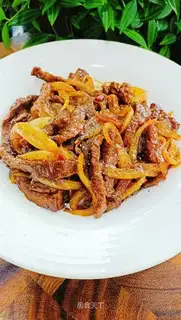
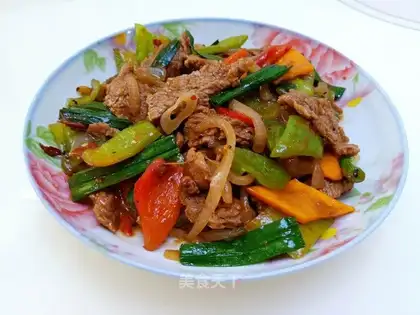
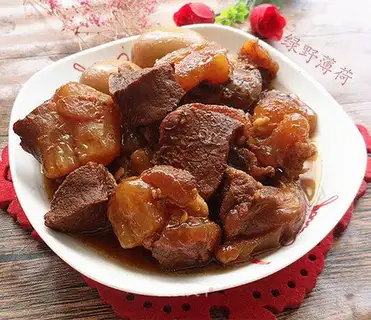
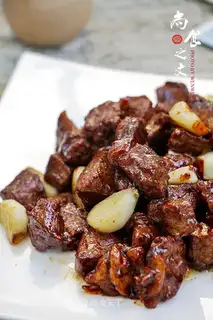
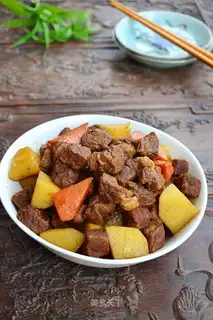
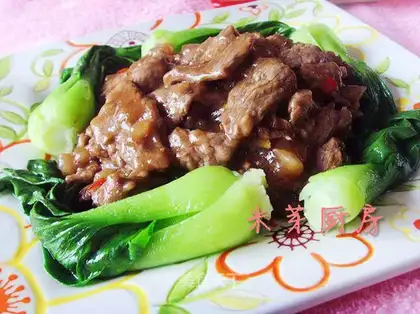
Beef, a cornerstone of cuisines worldwide, is prized for its rich flavor, versatility, and nutritional density. Among its various cuts, beef shank—taken from the leg of the cow, specifically the upper thigh—stands out as a budget-friendly yet nutrient-rich option. Often overlooked in favor of more tender cuts like ribeye or sirloin, beef shank is a culinary gem that, when prepared correctly, yields succulent, gelatinous meat while offering a wealth of health benefits. This article explores the nutritional profile of beef shank, its potential health benefits, and important considerations for consumption, providing a comprehensive guide to incorporating this underrated cut into a balanced diet.
Nutritional Profile of Beef Shank
Beef shank is a leaner cut compared to fattier portions of the cow, yet it is densely packed with essential nutrients that support overall health. A 100-gram serving of cooked beef shank (approximately 3.5 ounces) contains roughly:
- Protein: ~25-30 grams
Protein is the building block of muscles, tissues, and enzymes, and beef shank is an excellent source of high-quality protein. It contains all nine essential amino acids (histidine, isoleucine, leucine, lysine, methionine, phenylalanine, threonine, tryptophan, and valine), making it a "complete protein" that supports muscle repair, immune function, and growth.
- Vitamins:
- Vitamin B12: ~2.6 micrograms (over 100% of the Daily Value, DV). Vitamin B12 is crucial for nerve function, DNA synthesis, and the formation of red blood cells. Deficiency can lead to anemia, fatigue, and neurological issues.
- Niacin (Vitamin B3): ~5-7 mg (30-35% DV). Niacin aids in energy metabolism, supports digestive health, and helps maintain healthy skin.
- Vitamin B6: ~0.5 mg (25% DV). This vitamin is essential for brain development, immune function, and the metabolism of protein and carbohydrates.
- Riboflavin (Vitamin B2): ~0.3 mg (20% DV). Riboflavin plays a role in energy production and antioxidant protection.
- Minerals:
- Iron: ~3-3.5 mg (20-25% DV). Beef shank contains heme iron, the most easily absorbed form of iron, which is vital for preventing iron-deficiency anemia and supporting oxygen transport in the blood.
- Zinc: ~5-6 mg (40-50% DV). Zinc is critical for immune function, wound healing, and DNA synthesis. It also supports reproductive health and cell growth.
- Phosphorus: ~200-220 mg (20-25% DV). Phosphorus works with calcium to build strong bones and teeth, and it is also involved in energy production and kidney function.
- Selenium: ~20-25 micrograms (40-50% DV). Selenium is a powerful antioxidant that protects cells from damage, supports thyroid function, and boosts immunity.
- Fat and Calories:
Beef shank is relatively lean, with about 10-15 grams of fat per 100-gram serving, primarily composed of monounsaturated and saturated fats. It contains negligible carbohydrates and approximately 180-200 calories per serving, making it a suitable option for those monitoring calorie or fat intake.
- Collagen and Gelatin:
One of beef shank’s standout features is its high collagen content. When slow-cooked (e.g., in braises or stews), collagen breaks down into gelatin, which supports joint health, improves gut integrity, and promotes skin elasticity. Gelatin also adds a rich, silky texture to dishes, making beef shank a favorite for hearty, comforting meals.
Health Benefits of Beef Shank
The nutrient density of beef shank translates to several health benefits, making it a valuable addition to a balanced diet.
1. Supports Muscle Mass and Physical Performance
The high-quality protein in beef shank is ideal for athletes, older adults, and anyone looking to maintain or build muscle. Protein provides the amino acids needed for muscle protein synthesis, which repairs and strengthens tissues after exercise or injury. For older adults, adequate protein intake helps combat age-related muscle loss (sarcopenia), preserving mobility and independence.
2. Boosts Energy and Metabolism
B vitamins in beef shank play a key role in converting food into energy. Vitamin B12, in particular, helps metabolize fats and carbohydrates, preventing fatigue and supporting overall vitality. Niacin and riboflavin further enhance energy production by aiding the breakdown of nutrients in the body.
3. Enhances Immune Function
Zinc and selenium are critical for a healthy immune system. Zinc helps activate immune cells (e.g., T-cells and natural killer cells) that fight off infections, while selenium supports the production of antibodies and reduces inflammation. A single serving of beef shank can provide a significant portion of the daily recommended intake for these minerals, helping the body resist illnesses.
4. Promotes Healthy Blood and Prevents Anemia
The heme iron in beef shank is more easily absorbed than non-heme iron (found in plant foods), making it particularly beneficial for individuals at risk of anemia, such as pregnant women, adolescents, and women of childbearing age. Iron is essential for producing hemoglobin, a protein in red blood cells that carries oxygen from the lungs to the rest of the body. Adequate iron intake prevents symptoms like fatigue, weakness, and shortness of breath.
5. Supports Bone and Joint Health
Phosphorus and collagen contribute to strong bones and flexible joints. Phosphorus works with calcium to maintain bone density, while gelatin (derived from collagen) helps reduce joint pain and stiffness by supporting cartilage health. Regular consumption of collagen-rich foods like beef shank may also alleviate symptoms of osteoarthritis, a condition characterized by cartilage breakdown.
6. Improves Skin and Hair Health
Collagen and amino acids (such as glycine and proline) in beef shank support skin elasticity and hydration. As we age, natural collagen production declines, leading to wrinkles and sagging skin. Including collagen-rich foods in the diet may help slow these signs of aging and promote a healthy, glowing complexion. Additionally, zinc and B vitamins support hair growth and strength by nourishing hair follicles.
Precautions and Considerations for Consumption
While beef shank offers numerous health benefits, there are important precautions to keep in mind to ensure safe and healthy consumption.
1. Moderation for Saturated Fat and Cholesterol
Though leaner than fattier cuts, beef shank still contains saturated fat (about 5-7 grams per 100-gram serving) and dietary cholesterol (70-80 mg). Excessive intake of saturated fat and cholesterol can raise LDL ("bad") cholesterol levels, increasing the risk of heart disease. For individuals with high cholesterol, cardiovascular issues, or a family history of heart disease, moderation is key. Limiting beef shank to 1-2 servings per week and pairing it with fiber-rich vegetables (e.g., broccoli, spinach) can help mitigate these effects.
2. Cooking Methods Matter
The way beef shank is prepared significantly impacts its healthfulness. Slow-cooking methods (braising, stewing, or using a slow cooker) are ideal for this cut, as they break down collagen and tenderize the meat without adding excessive fat. However, avoid deep-frying or pan-frying in large amounts of oil, as this increases the calorie and fat content. Instead, opt for healthy cooking oils like olive oil or use broth-based liquids to keep the dish nutritious.
3. Sodium Awareness
Many beef shank recipes call for added salt or sodium-rich broths to enhance flavor. High sodium intake is linked to high blood pressure and an increased risk of stroke. To reduce sodium, use low-sodium broths, limit added salt, and flavor dishes with herbs (e.g., rosemary, thyme), spices (e.g., paprika, cumin), or citrus (e.g., lemon, lime) instead.
4. Allergies and Dietary Restrictions
Beef is a common allergen, though rare, and individuals with cow’s milk protein allergy may cross-react to beef due to similarities in protein structures. For those following plant-based diets, beef shank is obviously unsuitable, but alternatives like mushroom-based "broths" or legume-based stews can provide similar textures and nutrients.
5. Quality and Sourcing
The quality of beef shank depends on the animal’s diet, living conditions, and processing. Grass-fed beef shank is often preferred over grain-fed, as it tends to be lower in saturated fat and higher in omega-3 fatty acids, antioxidants, and vitamins. Additionally, choosing organic or pasture-raised beef reduces exposure to antibiotics and hormones, which may have long-term health implications.
6. Safe Handling and Storage
Like all raw meats, beef shank carries a risk of bacterial contamination (e.g., E. coli, Salmonella). To minimize risk:
- Store beef shank at 40°F (4°C) or below, and use within 2-3 days of purchase or freeze for up to 6 months.
- Wash hands, utensils, and surfaces thoroughly after handling raw meat.
- Cook beef shank to an internal temperature of 160°F (71°C) to ensure bacteria are killed.
Conclusion
Beef shank is a nutritional powerhouse that offers an impressive array of vitamins, minerals, protein, and collagen—all while being affordable and flavorful. Its benefits range from supporting muscle growth and immune function to promoting joint health and skin vitality. However, mindful consumption is essential: moderation for saturated fat, healthy cooking methods, and attention to sodium and sourcing can maximize its advantages while minimizing potential risks.
Whether simmered in a rich stew, braised with aromatic vegetables, or slow-cooked into tender tacos, beef shank is a versatile cut that can elevate both the taste and nutritional value of meals. By understanding its value and incorporating it wisely into a balanced diet, individuals can enjoy the many health benefits this humble yet mighty ingredient has to offer.