Chicken gizzard, a muscular part of the chicken’s digestive system, is often overlooked in Western cuisine but celebrated in many cultures as a nutrient-dense, affordable, and versatile ingredient. Renowned for its unique texture—firm yet tender when cooked properly—this organ meat offers a wealth of nutritional benefits, from high-quality protein to essential vitamins and minerals. However, like offal, it must be consumed mindfully to avoid potential health risks. This article explores the nutritional profile, health benefits, culinary uses, and precautions associated with chicken gizzard, providing a comprehensive guide for incorporating this superfood into a balanced diet.
I. Nutritional Profile of Chicken Gizzard
Chicken gizzard is a nutritional powerhouse, packed with macronutrients and micronutrients that support overall health. A 100-gram serving of cooked chicken gizzard (without skin) contains approximately:
- Protein: 30–35 grams, making it an excellent source of complete protein. It provides all nine essential amino acids, including leucine, isoleucine, and valine, which are vital for muscle repair, immune function, and enzyme synthesis.
- Fat: 2–3 grams, mostly unsaturated fats (e.g., oleic acid), with minimal saturated fat. This makes it a leaner alternative to fattier cuts of meat.
- Vitamins:
- Vitamin B12: 3–4 micrograms, over 100% of the daily recommended intake (DRI). Vitamin B12 is crucial for nerve function, red blood cell formation, and DNA synthesis.
- Riboflavin (B2): 0.3–0.4 mg, supporting energy metabolism and skin health.
- Niacin (B3): 4–5 mg, aiding digestion and maintaining healthy skin.
- Vitamin A: 150–200 IU, important for vision, immune function, and cell growth.
- Minerals:
- Iron: 4–5 mg (25–30% of DRI), primarily heme iron, which is highly bioavailable and easily absorbed by the body, preventing iron-deficiency anemia.
- Zinc: 3–4 mg (30% of DRI), essential for immune function, wound healing, and DNA synthesis.
- Selenium: 20–30 micrograms (40–50% of DRI), a powerful antioxidant that protects cells from damage and supports thyroid health.
- Phosphorus: 200–220 mg, vital for bone health and energy production.
Compared to muscle meats like chicken breast, gizzard offers significantly higher concentrations of iron, zinc, and B vitamins, making it a standout choice for nutrient-dense eating.
II. Health Benefits of Chicken Gizzard
The rich nutritional composition of chicken gizzard translates to numerous health benefits, ranging from improved athletic performance to enhanced immune function.
1. Supports Muscle Growth and Repair
With its high protein content and essential amino acids, chicken gizzard is ideal for athletes, bodybuilders, and individuals recovering from illness or injury. Leucine, in particular, stimulates muscle protein synthesis, helping to maintain and grow lean muscle mass.
2. Prevents Iron-Deficiency Anemia
Heme iron in gizzard is absorbed 2–3 times more efficiently than non-heme iron (found in plant foods), making it highly effective for increasing iron levels. This is particularly beneficial for pregnant women, children, and vegetarians/vegans transitioning to animal-based foods to combat anemia.
3. Boosts Immune Function
Zinc and selenium in gizzard play critical roles in immune health. Zinc supports the development of immune cells, while selenium enhances antioxidant defenses, reducing inflammation and protecting against infections.
4. Enhances Energy Metabolism
B vitamins (B12, B2, B3) in gizzard are key cofactors in energy production. They help convert food into usable energy, supporting metabolism and reducing fatigue.
5. Promotes Brain and Nerve Health
Vitamin B12 is essential for maintaining the myelin sheath that protects nerve fibers. Adequate B12 intake prevents neurological issues such as numbness, memory loss, and cognitive decline.
6. Supports Thyroid Function
Selenium is a component of the enzyme iodothyronine deiodinase, which activates thyroid hormones. This regulates metabolism, growth, and body temperature.
III. Culinary Uses and Preparation Tips
Chicken gizzard’s unique texture—chewy yet tender—makes it a favorite in stir-fries, stews, grilled dishes, and even street food. Proper preparation is key to unlocking its flavor and tenderness.
1. Cleaning and Preparation
- Rinse thoroughly: Remove any residual blood or impurities under cold running water.
- Remove the inner lining: The tough, yellowish inner lining of the gizzard should be peeled off, as it is difficult to digest.
- Cooking methods: Gizzards benefit from slow cooking (e.g., braising, stewing) to soften the muscle fibers. They can also be grilled, fried, or added to soups for a nutrient boost.
2. Popular Dishes
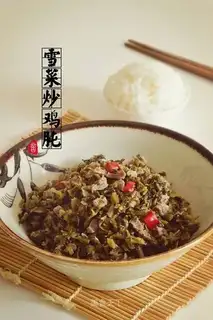
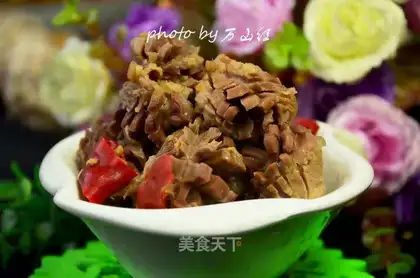
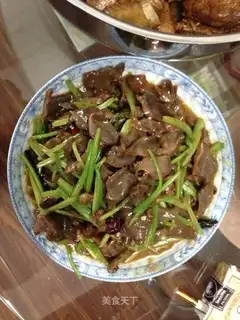
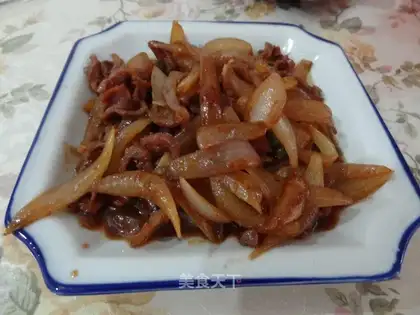
- Stir-fried gizzards: Marinated in soy sauce, ginger, and garlic, then stir-fried with vegetables like bell peppers and onions.
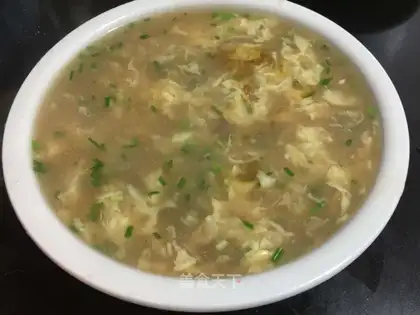
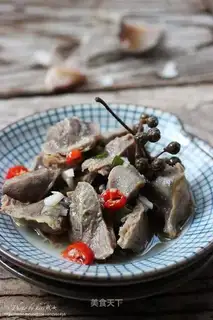
- Gizzard soup: Simmered with herbs, vegetables, and grains (e.g., rice or barley) for a hearty, nutrient-rich broth.
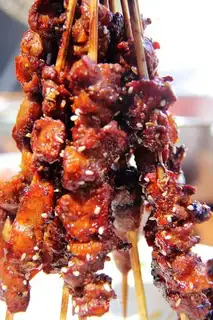
- Grilled gizzards: Skewered and grilled with spices, often served as a snack or appetizer in African, Asian, and Middle Eastern cuisines.
- Gizzard and liver pâté: Blended with herbs and spices for a flavorful spread, similar to traditional terrines.
3. Flavor Pairings
Gizzards pair well with bold flavors: soy sauce, vinegar, chili, garlic, ginger, and herbs like thyme and rosemary. Their mild taste allows them to absorb marinades, making them versatile in both savory and spicy dishes.
IV. Precautions and Consumption Guidelines
While chicken gizzard is highly nutritious, certain precautions must be taken to ensure safe consumption.
1. Moderate Intake Due to Cholesterol
Gizzard contains about 200–250 mg of cholesterol per 100 grams, which is higher than muscle meats. However, recent research suggests that dietary cholesterol has a minimal impact on blood cholesterol for most people. Those with hypercholesterolemia or cardiovascular issues should limit intake to 1–2 times per week.
2. Avoid Overconsumption of Purines
Gizzard is high in purines (150–200 mg per 100 grams), which can trigger gout in susceptible individuals. Those with a history of gout should avoid or strictly limit consumption.
3. Ensure Proper Cooking
Undercooked gizzard may harbor harmful bacteria like Salmonella or Campylobacter. Always cook gizzard to an internal temperature of 74°C (165°F) to ensure safety.
4. Source Quality Gizzards
Choose fresh, gizzards from reputable sources to avoid contamination. Avoid gizzards with an off smell, discoloration, or slimy texture.
5. Balance with Other Foods
Incorporate gizzard into a balanced diet rich in fruits, vegetables, whole grains, and other lean proteins to maximize nutrient diversity.
V. Conclusion
Chicken gizzard is a nutrient-dense, affordable, and delicious ingredient that offers numerous health benefits, from muscle growth to immune support. Its high protein, iron, zinc, and B vitamin content make it a valuable addition to a healthy diet, while its culinary versatility allows for creative preparation. However, moderation is key—individuals with specific health conditions should consume it cautiously, and proper cooking is essential to avoid risks. By understanding its nutritional value and adhering to safety guidelines, chicken gizzard can be transformed from an overlooked organ meat into a staple for optimal health and culinary enjoyment.
In a world where sustainable and nutrient-rich foods are increasingly prioritized, chicken gizzard stands out as a “superfood” that bridges tradition and modern nutrition. Whether enjoyed in a spicy stir-fry or a nourishing soup, this humble ingredient proves that great things often come in small packages.