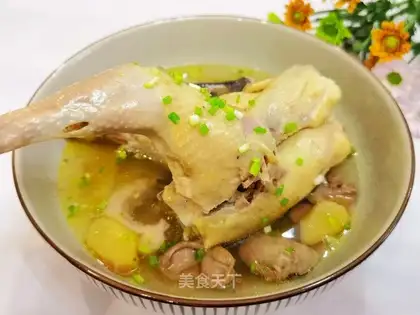
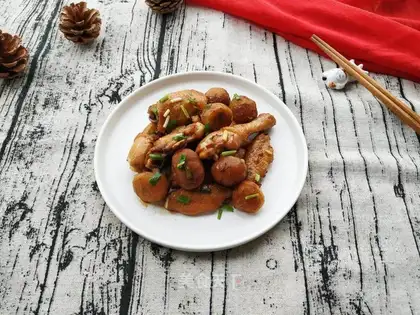
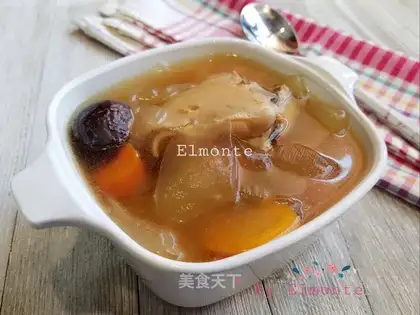
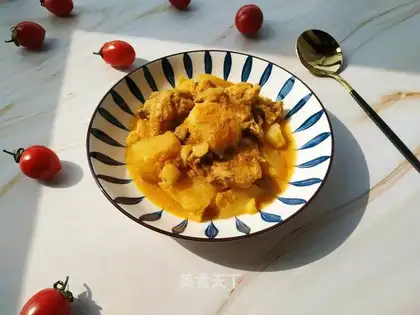
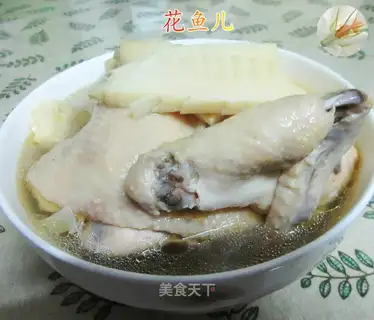
Chicken is one of the most widely consumed meats globally, prized for its versatility, mild flavor, and nutritional profile. Among its many varieties, young chicken—often referred to as "broiler chicken" or "spring chicken" in culinary contexts—stands out for its unique characteristics. Sourced from chickens typically under 3 months old, young chicken is distinguished by its tender texture, delicate skin, and lower fat content compared to mature poultry. Beyond its culinary appeal, young chicken has long been celebrated in traditional medicine and modern nutrition for its rich nutrient composition and potential health benefits. This article explores the nutritional value of young chicken, its evidence-based health benefits, and important precautions to consider for safe and optimal consumption.
I. Nutritional Value of Young Chicken
Young chicken is a nutritional powerhouse, offering a balanced mix of high-quality protein, essential vitamins, and minerals while being relatively low in calories and fat. A 100-gram serving of cooked young chicken (without skin) typically contains approximately 165 calories, 31 grams of protein, and 3.6 grams of fat, with less than 1 gram of saturated fat. This macronutrient profile makes it an excellent choice for individuals seeking to build muscle, manage weight, or maintain a balanced diet.
1. High-Quality Protein
Protein is a vital macronutrient essential for tissue repair, immune function, and the production of enzymes and hormones. Young chicken is a complete protein source, meaning it contains all nine essential amino acids (histidine, isoleucine, leucine, lysine, methionine, phenylalanine, threonine, tryptophan, and valine) that the human body cannot synthesize on its own. The amino acid profile of young chicken closely mirrors that of human muscle tissue, making it highly bioavailable—i.e., easily absorbed and utilized by the body. For athletes, older adults, and individuals recovering from illness, young chicken supports muscle protein synthesis and helps prevent age-related muscle loss (sarcopenia).
2. Essential Vitamins
Young chicken is rich in several B vitamins, which play critical roles in energy metabolism, nervous system function, and red blood cell formation:
- Vitamin B6 (Pyridoxine): A 100-gram serving provides about 0.5 milligrams (mg) of vitamin B6, roughly 30% of the daily recommended intake. This vitamin is essential for amino acid metabolism and neurotransmitter synthesis, including serotonin and dopamine, which regulate mood and sleep.
- Niacin (Vitamin B3): Young chicken is an excellent source of niacin, with 100 grams containing approximately 8.9 mg (over 50% of the daily value). Niacin supports energy production by aiding the conversion of food into glucose and is vital for maintaining healthy skin and digestive function.
- Vitamin B12 (Cobalamin): With about 0.3 mcg per 100 grams, young chicken contributes to the body’s vitamin B12 needs, which are crucial for nerve function and DNA synthesis. Vitamin B12 deficiency can lead to anemia and neurological issues, making young chicken particularly valuable for vegetarians or older adults at risk of deficiency.
Additionally, young chicken contains small amounts of vitamin A (important for vision and immune health) and vitamin E (an antioxidant that protects cells from damage).
3. Key Minerals
The mineral content of young chicken further enhances its nutritional value:
- Selenium: A 100-gram serving provides around 22.5 micrograms (mcg) of selenium, nearly 40% of the daily recommended intake. Selenium is a powerful antioxidant that supports thyroid function and protects the body from oxidative stress. Studies suggest that adequate selenium intake may reduce the risk of chronic diseases, including heart disease and certain cancers.
- Phosphorus: Young chicken is rich in phosphorus, with about 196 mg per 100 grams. Phosphorus works with calcium to build strong bones and teeth, and it also plays a role in energy production and cell repair.
- Iron: While not as high as in red meat, young chicken provides heme iron (the more easily absorbed form of iron), with approximately 0.7 mg per 100 grams. Iron is essential for oxygen transport in the blood, and combining chicken with vitamin C-rich foods (such as bell peppers or broccoli) can enhance iron absorption.
- Zinc: With 1.9 mg per 100 grams, young chicken supports immune function, wound healing, and DNA synthesis. Zinc deficiency is linked to weakened immunity and impaired growth, making young chicken a valuable source for children and adolescents.
4. Low Fat and Calorie Content
Unlike fatty cuts of red meat, young chicken is naturally low in fat, especially when the skin is removed. Most of its fat is unsaturated, including monounsaturated and polyunsaturated fats, which support heart health by lowering LDL ("bad") cholesterol levels. The low calorie density of young chicken makes it an ideal food for weight management, as it provides satiety without excessive calorie intake.
II. Health Benefits of Young Chicken
The nutrient density of young chicken translates to a range of health benefits, supported by both traditional wisdom and scientific research.
1. Supports Muscle Growth and Repair
The high-quality protein in young chicken is particularly beneficial for muscle maintenance and growth. Leucine, an essential amino acid abundant in chicken, stimulates muscle protein synthesis (MPS), the process by which the body repairs and builds muscle tissue. This makes young chicken a staple diet for athletes, bodybuilders, and individuals recovering from surgery or injury. For older adults, regular consumption of young chicken can help counteract sarcopenia, a condition characterized by age-related muscle loss, thereby preserving mobility and independence.
2. Boosts Immune Function
Young chicken contains several nutrients that strengthen the immune system. Selenium and zinc, for example, are critical for the development and function of immune cells. Vitamin B6 supports the production of antibodies, while vitamin A helps maintain the integrity of the skin and mucous membranes—first-line defenses against pathogens. Traditional remedies like chicken soup, often made with young chicken, have been used for centuries to alleviate cold and flu symptoms. Modern research suggests that chicken soup may reduce inflammation and neutrophil activity (a marker of infection), potentially speeding recovery from respiratory illnesses.
3. Promotes Heart Health
Young chicken’s low saturated fat content, combined with its lean protein and unsaturated fats, makes it a heart-healthy choice. Replacing red meat with chicken has been associated with a lower risk of cardiovascular disease, as it reduces intake of cholesterol and saturated fats. Additionally, the choline in young chicken (about 60 mg per 100 grams) helps regulate homocysteine levels—an amino acid linked to heart disease when elevated in the blood. Choline also supports brain health and liver function.
4. Aids Weight Management
The high protein and low calorie content of young chicken promotes satiety, helping to reduce overall calorie intake and prevent overeating. Protein takes longer to digest than carbohydrates or fats, keeping you feeling full for longer periods. A study published in the American Journal of Clinical Nutrition found that a high-protein diet rich in lean meats like chicken led to greater weight loss and fat loss compared to a low-protein diet. For individuals following calorie-restricted diets, young chicken provides essential nutrients without excessive calories, making it easier to achieve and maintain a healthy weight.
5. Supports Bone Health
Young chicken is a good source of phosphorus and small amounts of calcium, both of which are essential for bone health. Phosphorus accounts for about 85% of the body’s mineral content, and it works with calcium to form hydroxyapatite, the compound that gives bones their strength. Adequate phosphorus intake is particularly important during childhood and adolescence, when bones are growing rapidly. For older adults, combining young chicken with calcium-rich foods (such as dairy or leafy greens) can help prevent osteoporosis.
6. Enhances Brain Function
The nutrients in young chicken support brain health in multiple ways. Choline, as mentioned earlier, is a precursor to acetylcholine, a neurotransmitter involved in memory and muscle control. Vitamin B12 deficiency has been linked to cognitive decline and dementia, making young chicken a valuable food for preserving brain function as we age. Additionally, the tryptophan in chicken (an essential amino acid) is used to produce serotonin, a neurotransmitter that regulates mood, sleep, and appetite.
III. Precautions and Considerations
While young chicken offers numerous health benefits, there are important precautions to keep in mind to ensure safe and optimal consumption.
1. Food Safety and Proper Cooking
Raw chicken can be contaminated with harmful bacteria, such as Salmonella, Campylobacter, and E. coli, which can cause food poisoning. To minimize risk:
- Handle raw chicken separately: Use cutting boards, utensils, and plates dedicated to raw poultry to avoid cross-contamination with other foods.
- Cook thoroughly: Chicken should be cooked to an internal temperature of 74°C (165°F) to kill harmful bacteria. The juices should run clear, and there should be no pink meat near the bone.
- Avoid cross-contamination: Wash hands thoroughly with soap and water after handling raw chicken, and do not reuse marinades or sauces that have touched raw chicken without cooking them first.
2. Limit Processed Chicken Products
While fresh young chicken is a healthy choice, processed chicken products (such as chicken nuggets, sausages, and deli meats) often contain high levels of sodium, preservatives, and unhealthy fats. For example, a 100-gram serving of processed chicken nuggets may contain twice the sodium and 50% more fat than fresh young chicken. Regular consumption of processed meats has been linked to an increased risk of heart disease, hypertension, and certain cancers. Opt for fresh, unseasoned young chicken and prepare it at home using healthy cooking methods (grilling, baking, or steaming) to maximize its benefits.
3. Moderation for Certain Populations
- High Cholesterol: While young chicken is low in saturated fat, it contains dietary cholesterol. For most people, dietary cholesterol has a minimal impact on blood cholesterol levels, as the liver adjusts its production accordingly. However, individuals with hypercholesterolemia (high cholesterol) should limit their intake of chicken skin and opt for lean cuts to minimize cholesterol and fat intake.
- Sodium Sensitivity: Avoid adding excessive salt when cooking young chicken, especially for individuals with hypertension or kidney disease. Instead, use herbs, spices, and lemon juice to enhance flavor.
- Allergies: While rare, chicken allergies can occur, often triggered by proteins in the meat or cross-reactivity with other poultry. Individuals with known allergies should avoid young chicken and consult a healthcare provider for alternative protein sources.
4. Balance with a Varied Diet
While young chicken is nutritious, it should be consumed as part of a balanced diet that includes a variety of fruits, vegetables, whole grains, and other protein sources (such as fish, legumes, and nuts). Relying too heavily on any single food can lead to nutrient imbalances and reduce dietary diversity.
Conclusion
Young chicken is a nutrient-dense food that offers a wide range of health benefits, from supporting muscle growth and immune function to promoting heart health and weight management. Its high-quality protein, essential vitamins, and minerals make it a valuable addition to a healthy diet, particularly for athletes, older adults, and individuals recovering from illness. However, proper food safety practices and moderation are key to avoiding potential risks, such as bacterial contamination or excessive sodium intake. By incorporating young chicken into a varied and balanced diet, individuals can enjoy its delicious flavor while reaping its numerous nutritional rewards. As with any food, the key to maximizing its benefits lies in informed choices and mindful consumption.