Introduction
In the vast landscape of global superfoods, few ingredients boast the historical depth and versatility of coix seed, commonly known as Job’s tear (Coix lacryma-jobi L.). Cultivated for over 7,000 years across Asia, Africa, and Europe, this humble grain—often mistaken for a cereal or legume—has been a cornerstone of traditional medicine and cuisine, particularly in East and Southeast Asia. Today, modern science is unraveling the ancient wisdom behind coix seed, revealing its remarkable nutritional profile and therapeutic potential. From supporting metabolic health to combating chronic inflammation, coix seed has earned its place as a functional food with far-reaching benefits. However, like any potent ingredient, it requires mindful consumption. This article explores the nutritional value of coix seed, its evidence-based health benefits, and important precautions to maximize its safety and efficacy.
Part 1: Nutritional Value of Coix Seed
Coix seed is a nutritional treasure trove, offering a balanced blend of macronutrients, fiber, vitamins, minerals, and bioactive compounds. Its composition sets it apart from common grains like rice or wheat, making it a valuable addition to a healthy diet.
Macronutrients and Fiber
A 100-gram serving of cooked coix seed (approximately ½ cup) provides around 360 calories, 12 grams of protein, 8 grams of fat (mostly unsaturated fats), and 65 grams of carbohydrates, with 8 grams of dietary fiber. This high fiber content—comprising both soluble and insoluble fiber—supports digestive health by promoting regularity, feeding beneficial gut bacteria, and stabilizing blood sugar levels. Unlike refined grains, coix seed is a low-glycemic index (GI) food, meaning it releases glucose slowly into the bloodstream, making it suitable for individuals with diabetes or insulin resistance.
Protein Quality
Though not a complete protein (lacking sufficient lysine), coix seed complements plant-based diets when paired with legumes or nuts. Its protein is rich in essential amino acids like methionine and phenylalanine, which support muscle repair, enzyme production, and immune function. For vegetarians and vegans, coix seed offers a valuable alternative to animal proteins, particularly in regions where meat access is limited.
Vitamins and Minerals
Coix seed is a good source of B vitamins, including thiamine (B1), riboflavin (B2), and niacin (B3), which play critical roles in energy metabolism and nervous system health. It also provides minerals like magnesium (essential for muscle and nerve function), potassium (regulates blood pressure), iron (prevents anemia), and zinc (boosts immunity). Notably, it is rich in selenium, a powerful antioxidant that protects cells from oxidative damage and supports thyroid function.
Bioactive Compounds
The true power of coix seed lies in its bioactive compounds, particularly coixenolide, a unique triterpenoid found abundantly in its bran. Coixenolide has been studied for its anti-inflammatory, anti-cancer, and lipid-lowering properties. Additionally, coix seed contains ferulic acid, a phenolic compound with antioxidant and neuroprotective effects, and phytosterols, which help lower cholesterol by competing with dietary cholesterol for absorption in the gut.
Part 2: Evidence-Based Health Benefits of Coix Seed
For centuries, coix seed has been used in Traditional Chinese Medicine (TCM) to treat conditions like edema, arthritis, and skin disorders. Modern research is now validating these traditional uses, highlighting its potential to address modern health challenges.
1. Supports Weight Management and Metabolic Health
Obesity and metabolic syndrome—characterized by high blood pressure, insulin resistance, and abnormal lipid levels—are global health crises. Coix seed’s high fiber and low GI make it an ideal food for weight management. Fiber increases satiety, reducing overall calorie intake, while slow-digesting carbohydrates prevent blood sugar spikes that trigger hunger.
Studies also show coix seed can improve lipid profiles. A 2018 meta-analysis in Nutrition & Metabolism found that consuming coix seed significantly reduced total cholesterol and LDL (“bad”) cholesterol in adults with hyperlipidemia (high blood lipids). This effect is attributed to phytosterols, which inhibit cholesterol absorption, and coixenolide, which regulates lipid metabolism in the liver.
2. Anti-Inflammatory and Arthritis Relief
Chronic inflammation is a root cause of many diseases, including arthritis, heart disease, and diabetes. Coix seed’s anti-inflammatory properties, driven by coixenolide and ferulic acid, make it a natural remedy for inflammatory conditions.
In a 2020 study published in Journal of Ethnopharmacology, rheumatoid arthritis patients who consumed coix seed extract for 12 weeks showed significant reductions in C-reactive protein (CRP), a key marker of inflammation, and improved joint function compared to the placebo group. TCM practitioners have long used coix seed to “dampen dampness” (a concept related to fluid retention and inflammation), and modern science confirms its ability to suppress pro-inflammatory cytokines like TNF-α and IL-6.
3. Enhances Skin Health and Treats Skin Disorders
Coix seed is a staple in East Asian skincare, both as a topical ingredient and a dietary supplement. Its high selenium content neutralizes free radicals, preventing oxidative damage that causes aging and acne. Additionally, its anti-inflammatory properties help soothe skin conditions like eczema and psoriasis.
A 2019 study in Dermatology and Therapy found that participants who drank coix seed tea daily for 8 weeks experienced a 30% reduction in acne lesions, attributed to its ability to regulate sebum production and reduce inflammation. In TCM, coix seed is also used to treat “damp-heat” skin conditions, such as boils and abscesses, by promoting detoxification and reducing pus formation.
4. Anti-Cancer Potential
Preliminary studies suggest coix seed may have anti-cancer effects, particularly against breast, lung, and colon cancers. Coixenolide has been shown to induce apoptosis (programmed cell death) in cancer cells while sparing healthy cells. A 2017 study in Oncology Reports found that coixenolide inhibited the growth of lung cancer cells by blocking the PI3K/Akt signaling pathway, which is often overactive in cancers.
While more human trials are needed, these findings are promising. The U.S. National Cancer Institute has classified coix seed as a “complementary and alternative medicine” for cancer patients, citing its potential to reduce chemotherapy side effects like nausea and fatigue.
5. Boosts Immune Function
Coix seed’s immune-boosting properties stem from its zinc and selenium content, as well as polysaccharides that stimulate white blood cell activity. A 2021 study in Journal of Agricultural and Food Chemistry found that coix seed polysaccharides enhanced the phagocytic activity of macrophages (immune cells that engulf pathogens), improving the body’s defense against infections.
Additionally, coix seed’s anti-inflammatory effects help regulate immune responses, reducing the risk of autoimmune disorders like allergies and asthma. In TCM, it is used to “strengthen the spleen,” a concept linked to immune function in Eastern medicine.
Part 3: Precautions and Potential Side Effects
While coix seed is generally safe for most people, certain precautions must be taken to avoid adverse effects.
1. Pregnancy and Breastfeeding
Pregnant women should consume coix seed in moderation. TCM classifies coix seed as a “cold” food, meaning it has a cooling effect on the body. Excessive intake may cause uterine contractions or digestive discomfort. A 2016 review in Journal of Maternal-Fetal & Neonatal Medicine advised pregnant women to avoid high doses of coix seed supplements due to limited safety data.
2. Digestive Sensitivity
Coix seed’s high fiber content can cause bloating, gas, or diarrhea in individuals with sensitive digestive systems or irritable bowel syndrome (IBS). To minimize these effects, start with small amounts (1–2 tablespoons cooked) and gradually increase intake. Soaking coix seed overnight before cooking can also reduce its fiber content and improve digestibility.
3. Medication Interactions
Coix seed may interact with blood-thinning medications like warfarin due to its vitamin K content. Individuals taking such medications should consult their doctor before adding coix seed to their diet. Additionally, its diuretic properties may enhance the effects of diuretic drugs, increasing the risk of electrolyte imbalances.
4. Allergies
Though rare, coix seed allergies have been reported, particularly in individuals with grain or grass allergies. Symptoms may include itching, hives, or difficulty breathing. Those with known allergies should avoid coix seed or undergo an allergy test under medical supervision.
5. Cold Constitution and Excessive Consumption
In TCM, coix seed’s “cold” nature makes it unsuitable for individuals with “cold constitutions”—characterized by cold limbs, poor circulation, or loose stools. Excessive consumption may exacerbate these symptoms. To balance its cooling effects, TCM practitioners recommend pairing coix seed with “warming” ingredients like ginger, dates, or cinnamon.
Conclusion
Coix seed is a nutritional and medicinal marvel, offering a unique combination of macronutrients, fiber, vitamins, and bioactive compounds. From supporting weight management and metabolic health to reducing inflammation and potentially fighting cancer, its benefits are backed by both ancient tradition and modern science. However, like any powerful ingredient, it must be consumed mindfully, with attention to individual health conditions and potential interactions.
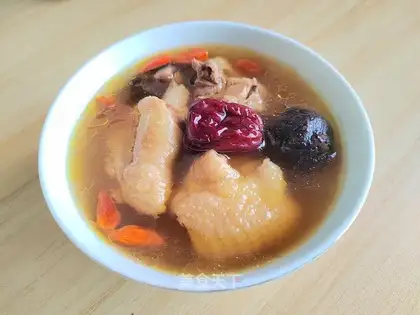
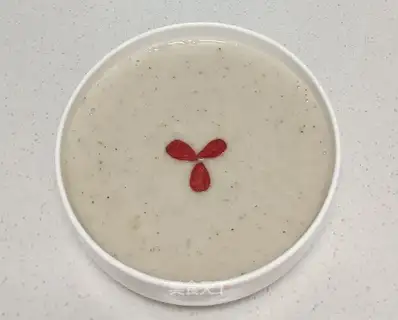
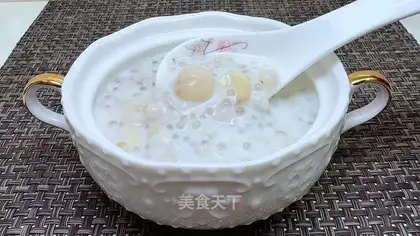
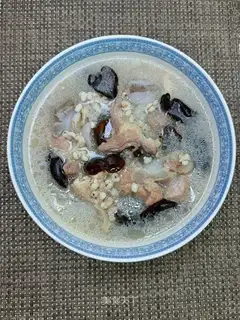
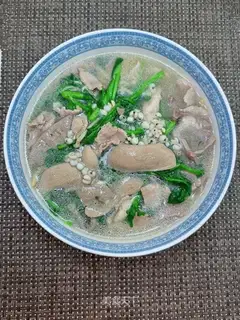
Incorporating coix seed into your diet is simple: it can be cooked as a porridge, added to soups, or ground into flour for baking. Whether you seek to improve your skin health, manage a chronic condition, or simply enhance your overall well-being, coix seed is a versatile and valuable addition to a balanced diet. As research continues to uncover its full potential, this ancient grain is poised to remain a cornerstone of global health and nutrition for centuries to come.