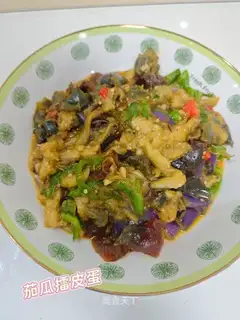
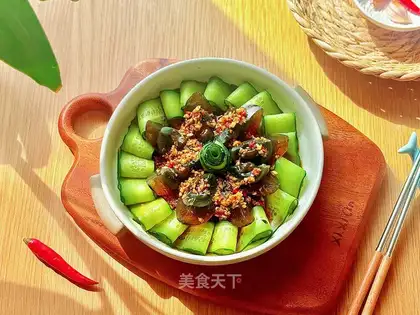
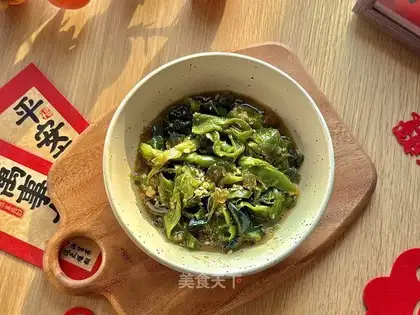
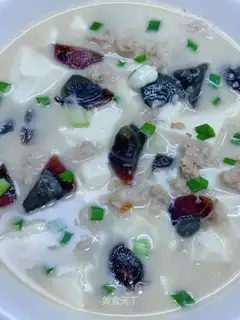
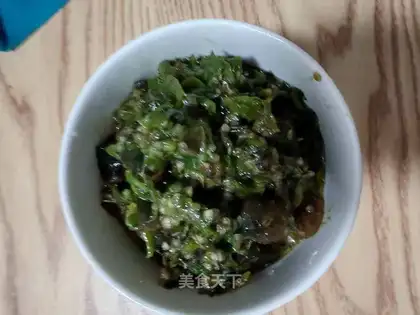
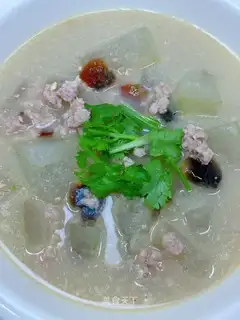
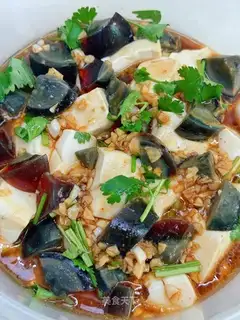
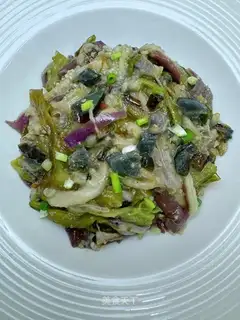
Century eggs, also known as pidan or thousand-year eggs, are a traditional delicacy in Chinese cuisine, renowned for their unique appearance, distinct umami flavor, and rich cultural history. Created by preserving duck, chicken, or quail eggs in a mixture of clay, ash, salt, and quicklime for weeks to months, these eggs undergo a chemical transformation that turns their yolks into a creamy, jade-green or amber-colored center and their whites into a translucent, gelatinous substance. Despite their divisive reputation—often described as "taste like earth" or "look like fossils"—century eggs are more than just a culinary curiosity; they are a nutrient-dense food with surprising health benefits. However, their traditional preparation methods and specific nutritional profile also important considerations for safe consumption. This article explores the nutritional value of century eggs, their potential health benefits, and key precautions to keep in mind when enjoying them.
Nutritional Value of Century Eggs
Century eggs are a powerhouse of essential nutrients, offering a concentrated source of protein, vitamins, and minerals in a single serving. A typical 100-gram serving of century egg (approximately one to two eggs, depending on size) contains approximately 140–160 calories, with most of these calories coming from protein and healthy fats.
1. High-Quality Protein
Protein is the building block of life, essential for muscle repair, immune function, and enzyme production. Century eggs are an excellent source of complete protein, containing all nine essential amino acids that the human body cannot synthesize on its own. Each egg provides about 6–8 grams of protein, making it a valuable addition to diets for athletes, vegetarians (as a complement to plant proteins), or individuals recovering from illness. The protein in century eggs is highly bioavailable, meaning it is easily absorbed and utilized by the body.
2. Vitamins and Minerals
Century eggs are rich in several key vitamins and minerals that support overall health:
- Vitamin A: The yolk of a century egg is particularly high in vitamin A, in the form of retinol and beta-carotene. Vitamin A is crucial for vision, immune function, and skin health. A single century egg can provide up to 10–15% of the daily recommended intake (DRI) of vitamin A.
- Iron: Iron is essential for producing hemoglobin, which carries oxygen in the blood. Century eggs contain a moderate amount of iron, approximately 0.5–1 mg per egg, which is particularly beneficial for individuals with iron deficiency anemia, especially when consumed with vitamin C-rich foods (e.g., bell peppers or citrus fruits) to enhance absorption.
- Selenium: A powerful antioxidant, selenium plays a role in thyroid function, DNA synthesis, and protecting cells from oxidative damage. Century eggs are a good source of selenium, providing 15–20 micrograms per egg, or about 30–40% of the DRI.
- B Vitamins: They contain small amounts of B vitamins, including riboflavin (B2) and vitamin B12, which are important for energy metabolism and nerve function. Vitamin B12 is particularly important for vegetarians and vegans, as it is primarily found in animal products.
- Zinc and Copper: These minerals support immune function, wound healing, and antioxidant defense. Century eggs provide trace amounts of both, contributing to daily mineral intake.
3. Healthy Fats
The fat content in century eggs is relatively low (about 10–12 grams per 100 grams), with most of it being unsaturated fats, including monounsaturated and polyunsaturated fats. These fats support heart health by reducing LDL ("bad") cholesterol and increasing HDL ("good") cholesterol. The yolk also contains lecithin, a type of fat that supports brain health and aids in digestion.
Health Benefits of Century Eggs
Beyond their nutritional profile, century eggs offer several health benefits, backed by both traditional Chinese medicine (TCM) and modern scientific research.
1. Enhanced Digestive Health
In TCM, century eggs are considered "cooling" in nature, believed to balance excess "heat" in the body, which is often associated with digestive issues like bloating, indigestion, or heartburn. The alkaline nature of the egg white (due to the preservation process) may help neutralize stomach acid, providing relief for mild acid reflux. Additionally, the high protein content in century eggs promotes satiety, reducing overeating and supporting healthy digestion.
2. Immune System Support
The combination of vitamins A, selenium, and zinc in century eggs makes them a potent immune booster. Vitamin A strengthens the mucous membranes lining the respiratory and digestive tracts, acting as the first line of defense against pathogens. Selenium and zinc are critical for the production and function of immune cells, such as T-cells and natural killer (NK) cells. Regular consumption of century eggs may help reduce the frequency and severity of common infections like colds and flu.
3. Improved Cognitive Function
Choline, a nutrient found in century eggs, is essential for brain health. It is a precursor to acetylcholine, a neurotransmitter that plays a key role in memory, mood, and muscle control. A single century egg contains about 100–150 milligrams of choline, which is about 25–30% of the DRI for adults. Studies have shown that adequate choline intake is associated with better cognitive function and a reduced risk of age-related cognitive decline.
4. Antioxidant Properties
Century eggs contain several antioxidants, including selenium and vitamin A, which help neutralize free radicals—unstable molecules that can damage cells and contribute to chronic diseases like cancer and heart disease. The preservation process increases the bioavailability of these antioxidants, making them more effective than those found in fresh eggs. Additionally, the dark color of the yolk is due to the formation of melanoidin compounds during preservation, which have been shown to have antioxidant and anti-inflammatory properties.
5. Weight Management
With only 140–160 calories per 100 grams and high protein content, century eggs are an excellent food for weight management. Protein takes longer to digest than carbohydrates or fats, keeping you feeling full for longer and reducing cravings. Including century eggs in breakfast or lunch can help control calorie intake throughout the day, making it easier to maintain a healthy weight.
Precautions and Potential Risks
While century eggs offer numerous health benefits, there are several precautions to keep in mind to ensure safe consumption, particularly due to their traditional preparation methods and specific nutritional composition.
1. High Sodium Content
The preservation process for century eggs involves soaking them in a mixture of salt, ash, and quicklime, which significantly increases their sodium content. A single century egg can contain 300–500 milligrams of sodium, or about 15–20% of the DRI for adults. Excessive sodium intake is linked to high blood pressure, heart disease, and stroke. Individuals with hypertension, kidney disease, or those on a low-sodium diet should limit their consumption of century eggs and balance them with low-sodium foods like fresh vegetables, fruits, and whole grains.
2. Risk of Heavy Metal Contamination
Traditional methods of preserving century eggs sometimes involve using industrial-grade lead or copper oxide to accelerate the process, which can lead to lead contamination. Lead is a toxic heavy metal that can accumulate in the body over time, causing neurological damage, developmental delays in children, and cardiovascular problems. To minimize this risk, it is important to purchase century eggs from reputable sources that use safe, lead-free preservation methods. In many countries, including China and the United States, regulations prohibit the use of lead in food preservation, but consumers should still check labels for certifications or opt for brands that explicitly state "lead-free."
3. Food Safety Concerns
Century eggs are preserved, not cooked, so proper handling and storage are essential to prevent bacterial contamination. Unpeeled century eggs should be stored in the refrigerator and consumed within 1–2 weeks of purchase. Once peeled, they should be eaten immediately or stored in an airtight container in the refrigerator for up to 2 days. Pregnant women, young children, the elderly, and individuals with weakened immune systems (e.g., those undergoing chemotherapy or with HIV/AIDS) should avoid century eggs due to the risk of bacterial infections like Salmonella or Listeria.
4. Allergies and Sensitivities
While rare, some people may be allergic to eggs, including century eggs. Egg allergies are one of the most common food allergies in children, and symptoms can range from mild (hives, itching) to severe (anaphylaxis, difficulty breathing). Individuals with known egg allergies should avoid century eggs altogether. Additionally, some people may experience digestive discomfort, such as bloating or diarrhea, due to the high protein content or alkaline nature of the eggs. If you experience any adverse effects, discontinue consumption and consult a healthcare provider.
5. Interaction with Medications
Century eggs contain vitamin K, which plays a role in blood clotting. Individuals taking blood thinners (e.g., warfarin) should be cautious, as vitamin K can interfere with the medication’s effectiveness. It is important to maintain consistent vitamin K intake and consult a healthcare provider or registered dietitian before adding century eggs to your diet if you are on blood thinners.
Conclusion
Century eggs are a nutrient-rich food with a long history in Chinese cuisine, offering a unique combination of protein, vitamins, and minerals that support digestive health, immune function, and cognitive performance. Their high protein content, low calorie count, and antioxidant properties make them a valuable addition to a balanced diet. However, their high sodium content, risk of heavy metal contamination, and potential food safety concerns require careful attention. By purchasing from reputable sources, consuming them in moderation, and taking necessary precautions, individuals can safely enjoy the health benefits of century eggs while minimizing risks. Whether eaten on their own, with tofu, or as part of a dish like congee or salad, century eggs are a delicious and nutritious delicacy that continues to be celebrated for its flavor and health-promoting properties.