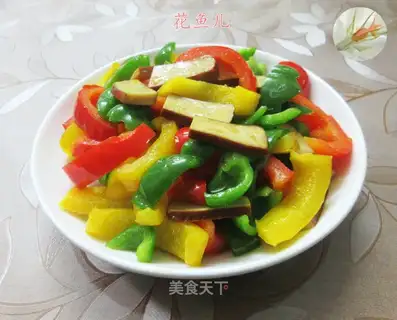
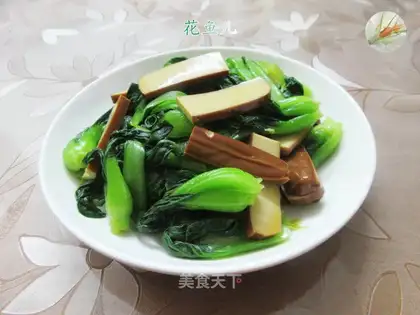
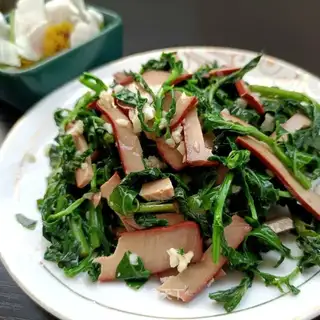
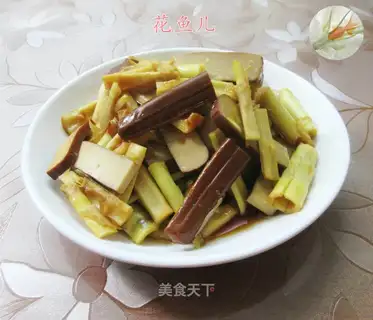
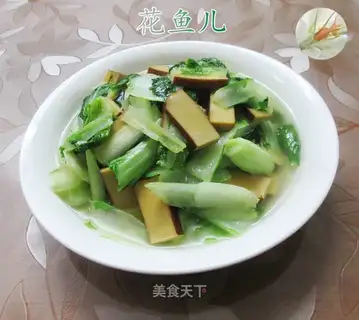
Egg tofu, also known as danfu or egg pudding tofu, is a beloved culinary staple in East and Southeast Asia, prized for its silky texture, versatility, and mild flavor. Made primarily from eggs, soybeans, water, and a coagulant (such as gypsum or nigari), this unique food bridges the gap between eggs and tofu, offering a nutrient-rich profile that appeals to health-conscious individuals and food enthusiasts alike. While often overshadowed by its more famous counterparts—like regular tofu or eggs—egg tofu stands out as a nutritional powerhouse, packed with high-quality protein, essential vitamins, and minerals. This article explores the nutritional value of egg tofu, its diverse health benefits, and important precautions to consider when incorporating it into a balanced diet.
Nutritional Value of Egg Tofu
Egg tofu’s nutritional composition is a harmonious blend of egg and soybean nutrients, making it a nutrient-dense food with a low calorie count. A 100-gram serving of plain egg tofu (approximately half a cup) typically contains:
- Protein: Around 10–12 grams, providing all nine essential amino acids (lysine, methionine, tryptophan, etc.), making it a complete protein source. This is comparable to egg whites and slightly higher than regular tofu, which contains 8–10 grams per 100 grams.
- Fats: 4–6 grams, primarily heart-healthy unsaturated fats (oleic and linoleic acids), with minimal saturated fat. The fat content is lower than whole eggs (which contain ~10 grams per large egg) but higher than firm tofu, making it a moderate-fat option.
- Carbohydrates: 2–3 grams, mostly from trace amounts of natural sugars and fiber, making it suitable for low-carb and ketogenic diets.
- Vitamins:
- Vitamin A: ~200–300 IU (international units), crucial for vision, immune function, and cell growth.
- Vitamin D: ~20–40 IU, supporting calcium absorption and bone health.
- Vitamin B12: ~0.3–0.5 micrograms, essential for nerve function and red blood cell formation (a nutrient often lacking in plant-based diets).
- Choline: ~100–150 milligrams, vital for brain development, liver health, and muscle movement.
- Minerals:
- Calcium: ~50–100 milligrams, contributing to bone and teeth health.
- Iron: ~0.5–1 milligram, aiding in oxygen transport and energy production.
- Zinc: ~0.5–1 milligram, supporting immune function and wound healing.
- Selenium: ~10–15 micrograms, a powerful antioxidant that protects cells from damage.
- Calories: Approximately 70–90 calories per 100 grams, making it a low-calorie, nutrient-dense choice for weight management.
Notably, egg tofu is also gluten-free and lactose-free, making it suitable for individuals with celiac disease, lactose intolerance, or gluten sensitivities. Its mild flavor allows it to absorb marinades and spices, enhancing its culinary appeal while retaining its nutritional value.
Health Benefits of Egg Tofu
The combination of protein, vitamins, and minerals in egg tofu confers a range of health benefits, from muscle maintenance to chronic disease prevention. Below are its most notable advantages:
1. Supports Muscle Growth and Repair
As a complete protein source, egg tofu provides all essential amino acids required for synthesizing muscle proteins. This makes it particularly beneficial for athletes, older adults, and individuals recovering from illness or injury. The high leucine content—an amino acid that triggers muscle protein synthesis—helps preserve muscle mass, reducing the risk of sarcopenia (age-related muscle loss) in older adults. For vegetarians and vegans, egg tofu offers a plant-based alternative to animal proteins while delivering comparable amino acid profiles.
2. Promotes Bone Health
Egg tofu is a good source of calcium and vitamin D, two nutrients that work synergistically to maintain bone density. Calcium is the primary mineral in bones, while vitamin D enhances its absorption in the intestines. Regular consumption of egg tofu may help prevent osteoporosis, a condition characterized by weak and brittle bones, especially in postmenopausal women and older adults. Additionally, the magnesium and phosphorus in egg tofu contribute to bone structure and strength.
3. Enhances Brain Function and Mental Health
Choline, a standout nutrient in egg tofu, is often referred to as a “brain vitamin” due to its critical role in neurotransmitter production (e.g., acetylcholine, which regulates memory and mood). Adequate choline intake during pregnancy supports fetal brain development, while in adults, it may reduce the risk of cognitive decline and neurodegenerative diseases like Alzheimer’s. Egg tofu also contains omega-3 fatty acids (in small amounts) and B vitamins, which further support brain health by reducing inflammation and improving nerve function.
4. Aids in Weight Management
With its high protein and low-calorie profile, egg tofu is an excellent food for weight control. Protein increases satiety (the feeling of fullness), reducing overall calorie intake by curbing cravings and overeating. A study published in the American Journal of Clinical Nutrition found that high-protein diets promote weight loss and fat loss while preserving lean muscle mass. Egg tofu’s versatility—它可以 be steamed, grilled, or added to soups—makes it easy to incorporate into meals, helping individuals adhere to a calorie-controlled diet.
5. Supports Heart Health
Egg tofu is low in saturated fat and contains no cholesterol (unlike whole eggs), making it a heart-healthy alternative to animal proteins. The unsaturated fats in egg tofu help lower LDL (“bad”) cholesterol and increase HDL (“good”) cholesterol, reducing the risk of atherosclerosis (plaque buildup in arteries). Additionally, the isoflavones in soybeans (a key ingredient in egg tofu) have been shown to reduce blood pressure and inflammation, further protecting cardiovascular health. A meta-analysis in the Journal of Nutrition concluded that regular soy intake is associated with a 10–15% lower risk of heart disease.
6. Boosts Immune Function
Egg tofu contains several nutrients that support a healthy immune system, including vitamin D, zinc, and selenium. Vitamin D modulates immune responses, reducing the risk of infections like the flu and colds. Zinc is essential for the development and function of immune cells, while selenium acts as an antioxidant, protecting immune cells from oxidative damage. For individuals with weakened immune systems (e.g., the elderly or those with chronic illnesses), egg tofu can be a valuable addition to their diet.
7. Regulates Blood Sugar Levels
The low glycemic index (GI) of egg tofu (estimated GI: 30–40) means it causes a slow, gradual rise in blood sugar levels, making it suitable for individuals with diabetes or prediabetes. The protein and fiber in egg tofu slow down carbohydrate digestion, preventing blood sugar spikes. A study in the Diabetes Care journal found that replacing high-GI foods with soy-based products like tofu improved glycemic control in diabetic patients.
Precautions and Potential Side Effects
While egg tofu is a nutritious food, certain precautions should be taken to maximize its benefits and minimize risks:
1. Soy Allergies
Egg tofu contains soybeans, a common allergen. Individuals with soy allergies should avoid egg tofu, as it can trigger allergic reactions ranging from mild (hives, itching) to severe (anaphylaxis, difficulty breathing). Those with soy allergies can opt for egg-based alternatives (e.g., egg white omelets) or other protein sources like quinoa or lentils.
2. Purine Content and Gout
Soybeans are moderate in purines, compounds that break down into uric acid. In individuals with gout (a form of arthritis caused by high uric levels), excessive purine intake can trigger flare-ups. While egg tofu’s purine content is lower than that of meat or fish, gout patients should consume it in moderation (1–2 servings per week) and consult a healthcare provider if symptoms worsen.
3. Additives and Sodium
Commercially produced egg tofu may contain additives such as preservatives, flavor enhancers (e.g., MSG), or high sodium levels to extend shelf life and improve taste. Excessive sodium intake is linked to high blood pressure and heart disease. To minimize risks, choose low-sodium or additive-free varieties, or make egg tofu at home using fresh eggs and soy milk.
4. Overconsumption of Protein
While protein is essential, excessive intake can strain the kidneys, particularly in individuals with pre-existing kidney disease. Healthy adults should aim for 0.8–1.0 grams of protein per kilogram of body weight per day; for a 70 kg (154 lb) person, this translates to 56–70 grams of protein daily. A 100-gram serving of egg tofu provides ~10 grams of protein, so moderation is key.
5. Interactions with Medications
Soy isoflavones in egg tofu may interact with certain medications, including:
- Thyroid medications: Isoflavones can interfere with thyroid hormone absorption, so individuals taking levothyroxine should consume egg tofu 2–3 hours apart from their medication.
- Blood thinners: Soy isoflavones have mild anticoagulant effects, so combining them with medications like warfarin may increase bleeding risk. Consult a doctor before regular consumption.
Conclusion
Egg tofu is a nutritional powerhouse that combines the best of eggs and soybeans, offering a complete protein source, essential vitamins, and minerals with minimal calories and saturated fat. Its health benefits—from muscle maintenance to heart health and immune support—make it a valuable addition to a balanced diet. However, individuals with soy allergies, gout, or kidney disease should exercise caution, and those on medications should consult a healthcare provider to avoid interactions.
By choosing high-quality, additive-free egg tofu and consuming it in moderation, individuals can harness its nutritional potential while enjoying its versatility in a wide range of dishes. Whether steamed, stir-fried, or added to soups, egg tofu is a delicious and healthy choice for people of all ages, proving that good nutrition and great taste can go hand in hand.