Introduction
Black glutinous rice (Oryza sativa L. var. glutinosa), often referred to as "forbidden rice" due to its historical consumption reserved for ancient Chinese royalty, is a nutrient-dense whole grain that has gained global recognition for its unique flavor, striking color, and impressive health profile. Unlike refined white rice, black glutinous rice retains its bran and germ, making it a rich source of antioxidants, fiber, vitamins, and minerals. This article explores the nutritional value of black glutinous rice, its evidence-based health benefits, and important precautions for consumption, providing a comprehensive guide for incorporating this "superfood" into a balanced diet.
Nutritional Value of Black Glutinous Rice
Black glutinous rice stands out among other grains due to its exceptional nutritional composition. A 100-gram serving of cooked black glutinous rice (approximately ½ cup, uncooked) contains approximately:
- Calories: 150–160 kcal, making it a moderate-calorie option for energy needs.
- Carbohydrates: 34–35 grams, primarily complex carbohydrates that provide sustained energy.
- Dietary Fiber: 2–3 grams, including soluble and insoluble fiber, which supports digestive health.
- Protein: 3–4 grams, containing all essential amino acids, though it is lower in lysine compared to animal proteins.
- Fat: 1–2 grams, mostly unsaturated fats, with negligible trans fats.
- Key Minerals:
- Iron: 1.5–2 mg (8–10% of the Daily Value, DV), crucial for oxygen transport and red blood cell production.
- Zinc: 1–1.5 mg (9–14% DV), supporting immune function and wound healing.
- Magnesium: 60–70 mg (15–18% DV), vital for muscle function, nerve signaling, and blood pressure regulation.
- Phosphorus: 80–90 mg (10–12% DV), essential for bone health and energy metabolism.
- Vitamins:
- B Vitamins: Thiamin (B1), riboflavin (B2), and niacin (B3), which play roles in energy production and metabolism.
- Vitamin E: A fat-soluble antioxidant that protects cells from oxidative damage.
Anthocyanins: The Star Antioxidant
The most notable feature of black glutinous rice is its deep purple-black hue, attributed to high concentrations of anthocyanins—flavonoid pigments with potent antioxidant and anti-inflammatory properties. Studies show that black glutinous rice contains 3–4 times more anthocyanins than blueberries, a well-known "superfruit." Anthocyanins neutralize free radicals, reducing oxidative stress linked to chronic diseases such as cancer, diabetes, and cardiovascular disorders.
Health Benefits of Black Glutinous Rice
The combination of fiber, antioxidants, and micronutrients in black glutinous rice contributes to a range of health benefits, supported by scientific research.
1. Rich in Antioxidants, Combating Oxidative Stress
Anthocyanins in black glutinous rice are powerful antioxidants that protect against cellular damage caused by free radicals. A 2010 study in the Journal of Agricultural and Food Chemistry found that black rice extracts exhibited higher antioxidant activity than brown or white rice, due to their anthocyanin content. These antioxidants may reduce the risk of chronic diseases, including atherosclerosis (hardening of the arteries) and neurodegenerative conditions like Alzheimer’s disease.
2. Supports Heart Health
Black glutinous rice may promote cardiovascular health in multiple ways:
- Lowers Cholesterol: The fiber in black rice binds to bile acids in the digestive system, reducing their reabsorption and lowering LDL ("bad") cholesterol. A 2019 study in Phytotherapy Research found that consuming black rice for 12 weeks significantly reduced LDL cholesterol and total cholesterol in adults with metabolic syndrome.
- Reduces Blood Pressure: Magnesium and potassium in black rice help regulate blood pressure by relaxing blood vessels and balancing sodium levels.
3. Regulates Blood Sugar Levels
Despite its "glutinous" texture, black glutinous rice has a low to moderate glycemic index (GI) of 55–65, meaning it causes a slower, more gradual rise in blood sugar compared to high-GI foods like white rice. The fiber and anthocyanins further enhance blood sugar control by improving insulin sensitivity. A 2020 study in Nutrients reported that diabetic patients who replaced white rice with black rice experienced better glycemic control and reduced HbA1c levels (a marker of long-term blood sugar).
4. Aids Digestive Health
The insoluble fiber in black glutinous rice adds bulk to stool, promoting regular bowel movements and preventing constipation. Soluble fiber, on the other hand, acts as a prebiotic, feeding beneficial gut bacteria (e.g., Bifidobacteria) and supporting a healthy gut microbiome. A healthy microbiome is linked to improved immunity, reduced inflammation, and even mental health benefits.
5. Boosts Immune Function
Black glutinous rice is a good source of zinc and iron, two minerals critical for immune function. Zinc supports the development and activity of immune cells, while iron ensures adequate oxygen supply to tissues, preventing fatigue and maintaining immune response. Additionally, antioxidants reduce inflammation, which can otherwise weaken the immune system.
6. Supports Bone Health
The magnesium, phosphorus, and calcium in black glutinous rice contribute to bone density and strength. Magnesium aids in calcium absorption, while phosphorus forms the structural framework of bones. Regular consumption may reduce the risk of osteoporosis, especially in older adults.
7. Promotes Weight Management
The fiber and protein in black glutinous rice increase satiety, reducing overall calorie intake by curbing hunger. A 2018 study in Appetite found that participants who consumed high-fiber grains (like black rice) felt fuller for longer and consumed fewer snacks throughout the day compared to those eating refined grains.
Precautions and Potential Side Effects
While black glutinous rice offers numerous health benefits, it is important to consume it in moderation and be aware of potential precautions:
1. Arsenic Content
Like other rice varieties, black glutinous rice may contain trace amounts of inorganic arsenic, a toxic metalloid absorbed from soil and water. Arsenic exposure is linked to skin lesions, cardiovascular disease, and an increased risk of cancer. To minimize risk:
- Choose organic black rice grown in low-arsenic regions (e.g., Thailand, India).
- Rinse rice thoroughly before cooking and use a high water-to-rice ratio (e.g., 1:4) to reduce arsenic levels by up to 50%.
- Limit consumption to 2–3 times per week, especially for children and pregnant women.
2. High in Oxalates
Black glutinous rice contains oxalates, compounds that can contribute to kidney stone formation in susceptible individuals. Those with a history of calcium oxalate kidney stones should limit intake and consult a healthcare provider.
3. Gluten Sensitivity
Despite its name, "glutinous" rice does not contain gluten (it is gluten-free). However, cross-contamination with gluten-containing grains (e.g., wheat, barley) may occur during processing. Individuals with celiac disease or gluten sensitivity should opt for certified gluten-free black rice.
4. Caloric Density
While black rice is nutritious, it is calorie-dense. Overconsumption may lead to weight gain, particularly when paired with high-calorie toppings (e.g., sugar, coconut milk). Stick to recommended portion sizes (½ cup cooked) as part of a balanced meal.
5. Blood Sugar Considerations for Diabetics
Though black rice has a lower GI than white rice, it still contains carbohydrates. Diabetics should monitor their blood sugar levels and adjust insulin or medication doses as needed when incorporating black rice into their diet.
Culinary Uses and Tips for Incorporation
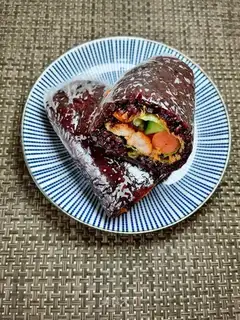
Black glutinous rice is versatile and can be used in both sweet and savory dishes:
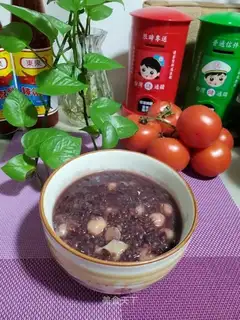
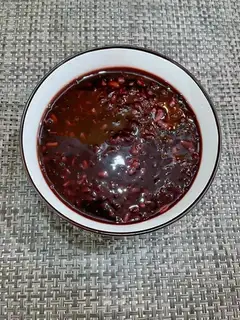
- Breakfast Porridge: Cook black rice with water or milk (dairy or plant-based) and top with fruits, nuts, or a drizzle of honey for a nutrient-rich breakfast.
- Salads: Mix cooled cooked black rice with vegetables, beans, and a vinaigrette for a hearty, fiber-rich salad.
- Desserts: Use black rice to make traditional Asian desserts like black rice pudding or tangyuan (glutinous rice balls) in sweet ginger soup.
- Side Dishes: Serve black rice as a side to grilled fish, chicken, or stir-fried vegetables, similar to brown rice.
Cooking Tips:
- Soaking: Soak black rice for 1–2 hours before cooking to reduce cooking time and improve digestibility.
- Water Ratio: Use a 1:2.5 rice-to-water ratio for a chewy texture or 1:3 for a softer consistency.
- Cooking Time: Simmer for 45–60 minutes until tender. A rice cooker or pressure cooker can simplify the process.
Conclusion
Black glutinous rice is a nutritional powerhouse that offers a unique combination of antioxidants, fiber, and essential minerals, supporting heart health, blood sugar regulation, digestion, and immunity. While its arsenic content and oxalate levels require mindful consumption, the benefits of incorporating this ancient grain into a balanced diet are undeniable. By choosing high-quality rice, rinsing thoroughly, and consuming in moderation, individuals can enjoy the rich flavor and health-boosting properties of black glutinous rice as part of a healthy lifestyle. Whether in a savory meal or a sweet dessert, this "forbidden rice" is a delicious and nutritious addition to any table.