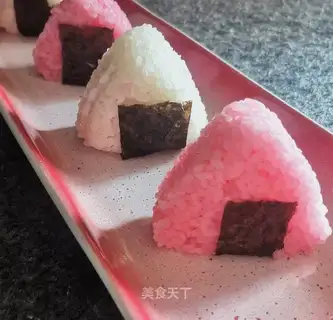
Sushi, the iconic Japanese delicacy, has transcended cultural borders to become a global symbol of culinary artistry. At the heart of every perfect piece of sushi—whether it’s a delicate nigiri, a crisp maki roll, or a vibrant chirashi—lies sushi rice: a short-grain rice seasoned with vinegar, sugar, and salt. While often overshadowed by the fish or vegetables that accompany it, sushi rice is far more than a mere base. It is a nutritional powerhouse, a source of sustained energy, and a vehicle for traditional wellness practices. However, like all foods, it must be consumed mindfully to reap its benefits without overstepping health boundaries. This article explores the nutritional profile of sushi rice, its health benefits, and important precautions for consumption, offering a holistic understanding of this staple ingredient.
Part 1: Nutritional Profile of Sushi Rice
Sushi rice begins as short-grain Japonica rice, a variety distinct from its long-grain counterparts (like Basmati or jasmine) due to its higher starch content, sticky texture when cooked, and mild flavor. Once steamed, it is seasoned with a mixture of rice vinegar, sugar, and salt—known in Japanese as sushi-zu—which imparts the signature sweet, tangy taste essential to sushi. While the seasoning adds minimal calories and nutrients, the rice itself is a rich source of carbohydrates, proteins, vitamins, and minerals, forming the foundation of its nutritional value.
Carbohydrates: The Primary Energy Source
The bulk of sushi rice’s nutritional content comes from carbohydrates, which account for approximately 85-90% of its dry weight. Unlike refined grains, short-grain rice retains its bran and germ (when unpolished, as in genmai or brown sushi rice), making it a source of complex carbohydrates. These carbohydrates are digested slowly, releasing glucose gradually into the bloodstream and providing sustained energy—an important benefit for athletes, busy professionals, or anyone needing long-lasting fuel without the energy crashes associated with simple sugars. Even white sushi rice, which has been polished to remove the bran and germ, still offers easily digestible carbohydrates that are gentle on the stomach, making it suitable for individuals with sensitive digestion.
Proteins and Amino Acids
Though not as protein-rich as legumes or meat, sushi rice contains a modest amount of protein (about 2-3 grams per cooked cup), including all nine essential amino acids. While it is not a complete protein on its own (lacking sufficient lysine and threonine), it complements the protein in fish, tofu, or edamame often served with sushi, creating a balanced amino acid profile. For example, combining sushi rice with salmon (rich in lysine) results in a complete protein source, making sushi a satisfying meal for vegetarians (when paired with plant-based proteins) and omnivores alike.
Vitamins and Minerals
Sushi rice is a source of several B vitamins, particularly thiamin (B1), niacin (B3), and folate (B9), which play key roles in energy metabolism, nerve function, and cell growth. Brown sushi rice, in particular, is higher in these vitamins due to its intact bran layer, which also contains magnesium, phosphorus, and manganese—minerals essential for bone health, muscle function, and antioxidant defense. For instance, magnesium helps regulate blood pressure and supports over 300 enzymatic reactions in the body, while manganese acts as a cofactor for enzymes involved in collagen production and antioxidant protection. Even white sushi rice, though lower in these nutrients, still provides small amounts of iron and zinc, which are vital for immune function and oxygen transport.
Fiber: A Double-Edged Sword
The fiber content of sushi rice varies significantly based on whether it is white or brown. White sushi rice, stripped of its bran and germ, contains only about 0.6 grams of fiber per cooked cup, while brown sushi rice retains its fiber, offering up to 3.5 grams per cup—equivalent to 14% of the daily recommended intake for adults. Fiber promotes digestive health by feeding beneficial gut bacteria, preventing constipation, and slowing the absorption of sugar and cholesterol in the bloodstream. However, the low fiber content of white sushi rice means it may not provide the same satiety or blood sugar regulation as its whole-grain counterpart, making portion control important for those managing weight or blood sugar levels.
The Role of Suzu-Zu: Balancing Flavor and Nutrition
The vinegar mixture (suzu-zu) used to season sushi rice adds more than just flavor. Rice vinegar contains acetic acid, which has been shown to enhance mineral absorption (such as calcium and iron) and may aid in digestion by increasing stomach acidity. The small amount of sugar in suzu-zu (typically 1-2 teaspoons per cup of rice) is minimal—about 4-8 grams per cup—and is balanced by the vinegar’s tang, preventing blood sugar spikes when consumed in moderation. Salt, the third component, is used sparingly (about ½ teaspoon per cup), contributing less than 100 milligrams of sodium per serving—far less than processed foods but enough to enhance flavor without excessive sodium intake.
Part 2: Health Benefits of Sushi Rice
Beyond its basic nutritional components, sushi rice offers a range of health benefits, supported by both traditional Japanese wisdom and modern scientific research. From supporting digestive health to promoting stable energy levels, its role in a balanced diet is multifaceted.
1. Sustained Energy Release and Blood Sugar Regulation
The complex carbohydrates in sushi rice are digested slowly, providing a steady release of glucose into the bloodstream. This prevents the rapid spikes and crashes in blood sugar that can occur with refined grains or sugary foods, making sushi rice an excellent choice for individuals with diabetes or those seeking to maintain stable energy throughout the day. A study published in the Journal of the American College of Nutrition found that short-grain rice has a lower glycemic index (GI) than long-grain rice, meaning it causes a slower rise in blood sugar after consumption. For example, white sushi rice has a GI of around 55-70 (moderate), while brown sushi rice has a GI of 50-65 (low to moderate), making both suitable for blood sugar management when paired with fiber-rich vegetables or protein.
2. Digestive Health Support
While white sushi rice is low in fiber, it is easy to digest, making it a gentle option for individuals with digestive issues such as irritable bowel syndrome (IBS) or those recovering from illness. The acetic acid in rice vinegar further aids digestion by stimulating the production of digestive enzymes and promoting the growth of beneficial gut bacteria. A 2014 study in BMC Gastroenterology found that vinegar consumption increased the abundance of Lactobacillus and Bifidobacterium—probiotics that support gut health—while reducing harmful bacteria like E. coli. For those who prefer higher fiber, brown sushi rice acts as a prebiotic, feeding the good bacteria in the colon and promoting regular bowel movements.
3. Essential Nutrient for Brain and Nervous System Function
Sushi rice is a good source of thiamin (vitamin B1), which is critical for brain health and nervous system function. Thiamin helps convert carbohydrates into energy, supports the production of neurotransmitters (chemicals that transmit signals between brain cells), and protects against oxidative stress in the brain. A deficiency in thiamin can lead to fatigue, memory problems, and even nerve damage, making sushi rice a valuable dietary source of this nutrient. Additionally, the folate in sushi rice is important for pregnant women, as it helps prevent neural tube defects in developing fetuses and supports overall fetal growth.
4. Heart Health and Blood Pressure Management
The low sodium content of sushi rice (when prepared with minimal salt) makes it a heart-healthy alternative to processed grains, which are often high in sodium and linked to high blood pressure. Furthermore, the magnesium in brown sushi rice helps relax blood vessels and regulate blood pressure, reducing the risk of cardiovascular disease. A meta-analysis in Hypertension found that higher magnesium intake is associated with a 5-10% lower risk of hypertension, highlighting the importance of whole-grain sushi rice for heart health. Even white sushi rice, though lower in magnesium, contributes to a balanced diet when paired with low-sodium toppings like fresh vegetables or grilled fish.
5. Weight Management Support
Despite its carbohydrate content, sushi rice can be a valuable tool for weight management when consumed in moderation. The sticky texture of short-grain rice promotes chewing, which slows down eating and increases satiety—signals to the brain that help prevent overeating. Additionally, the combination of carbohydrates and protein in sushi (e.g., rice with fish or tofu) creates a satisfying meal that reduces cravings for unhealthy snacks. A study in the American Journal of Clinical Nutrition found that meals high in complex carbohydrates and protein promote greater satiety than meals high in fat or simple sugars, supporting weight loss efforts when paired with a balanced diet and regular exercise.
Part 3: Precautions and Considerations for Consumption
While sushi rice offers numerous health benefits, it is not without its drawbacks. Overconsumption, improper preparation, or pairing with unhealthy toppings can negate its positive effects. Understanding these precautions is key to incorporating sushi rice into a healthy diet.
1. Portion Control: Avoiding Carbohydrate Overload
Sushi rice is calorie-dense, with one cooked cup containing approximately 200-250 calories. While this is reasonable for a meal, it is easy to overconsume sushi, especially when eating at restaurants or parties where multiple pieces are served. Excessive carbohydrate intake can lead to weight gain, blood sugar spikes, and increased triglyceride levels (a risk factor for heart disease). To avoid this, nutritionists recommend limiting sushi to 6-8 pieces per meal (about 1-1.5 cups of rice) and filling the rest of the plate with protein (fish, tofu) and fiber-rich vegetables (cucumber, avocado, seaweed). For those watching their carbohydrate intake, brown sushi rice is a better choice than white, as its higher fiber content promotes satiety and reduces overall consumption.
2. Sodium Awareness in Restaurant Sushi
While homemade sushi rice is typically low in sodium, restaurant sushi often contains hidden sodium from soy sauce, pickled ginger, and processed toppings like eel sauce or spicy mayo. A single tablespoon of soy sauce can contain 800-1000 milligrams of sodium—over a third of the daily recommended limit (2,300 milligrams for most adults). Consuming multiple pieces of sushi with soy sauce can easily push sodium intake to excessive levels, increasing the risk of high blood pressure and fluid retention. To mitigate this, opt for low-sodium soy sauce, limit soy sauce to 1-2 teaspoons per meal, and choose fresh toppings like avocado, cucumber, or grilled fish over high-sodium options.
3. Blood Sugar Concerns for Diabetics
While sushi rice has a moderate glycemic index, its high carbohydrate content can still affect blood sugar levels in individuals with diabetes. To manage this, diabetics should prioritize brown sushi rice over white (due to its higher fiber and lower GI), pair it with protein and healthy fats (e.g., salmon, avocado), and monitor portion sizes. Additionally, avoiding sushi topped with sweet sauces (e.g., unagi sauce, spicy mayo) or sugared pickled ginger can help prevent blood sugar spikes. For those with insulin resistance, consulting a registered dietitian to create a personalized sushi meal plan is recommended.
4. Gluten Cross-Contamination in Sushi Rice
Sushi rice itself is gluten-free, but cross-contamination can occur in restaurants where gluten-containing ingredients (e.g., soy sauce, tamari, or wheat-based vinegar) are used. Additionally, some sushi rolls are wrapped in tempura batter (which contains wheat) or topped with gluten-containing sauces. Individuals with celiac disease or gluten sensitivity should ensure that their sushi rice is prepared with gluten-free vinegar (komezu, which is rice-based) and that toppings are free from gluten. Opting for nigiri (plain rice with fish) or maki rolls with gluten-free fillings (e.g., cucumber, avocado) is a safer choice.
5. Acidity and Dental Health
The vinegar in suzu-zu gives sushi rice its tangy flavor but also makes it slightly acidic. Frequent consumption of acidic foods can erode tooth enamel over time, increasing the risk of cavities. To protect dental health, it is advisable to rinse your mouth with water after eating sushi and to avoid brushing your teeth immediately (wait at least 30 minutes, as brushing softened enamel can cause damage). Limiting sushi to 2-3 times per week and choosing less acidic toppings (e.g., plain rice with salmon) can also reduce dental risks.
6. Pesticide Residues in Rice
Rice is a crop that can absorb pesticides from the soil, particularly arsenic, a toxic metal that accumulates in rice grains more than in other grains. While the levels of arsenic in most rice are safe for consumption, long-term exposure to high amounts can increase the risk of skin, lung, and bladder cancer. To minimize exposure, opt for sushi rice from reputable sources that test for pesticides, and vary your grain intake (e.g., mixing rice with quinoa or barley). Brown rice, which retains its bran, may contain higher arsenic levels than white rice, so rinsing rice thoroughly before cooking and using a higher water-to-rice ratio (1:2 instead of 1:1.5) can help reduce arsenic content.
Conclusion
Sushi rice is far more than a passive component of sushi—it is a nutrient-dense food that provides sustained energy, supports digestive and heart health, and supplies essential vitamins and minerals. Its complex carbohydrates, moderate protein, and low sodium make it a healthy staple when consumed in moderation, while its versatility allows it to be paired with a variety of nutritious toppings. However, like all foods, it requires mindful consumption: portion control, attention to sodium and blood sugar levels, and awareness of potential contaminants (e.g., arsenic, gluten) are key to reaping its benefits without compromising health.
Whether enjoyed as part of a traditional Japanese meal or a modern fusion dish, sushi rice embodies the balance of flavor and nutrition that defines healthy eating. By understanding its nutritional profile, health benefits, and precautions, we can appreciate this humble grain not just as a base for sushi, but as a cornerstone of a balanced, wholesome diet.