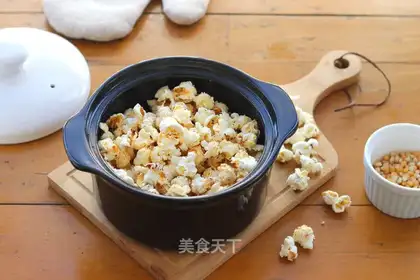
Popcorn, often hailed as the "perfect snack," has transcended its humble origins as a simple cinema treat to become a globally beloved, versatile ingredient. At the heart of this beloved snack lies the humble popcorn kernel—a whole grain packed with surprising nutritional value, health benefits, and unique considerations. This article delves into the nutritional profile of popcorn corn kernels, explores their potential health benefits, and highlights important食用禁忌 (edible taboos) to ensure safe and enjoyable consumption.
I. Nutritional Value of Popcorn Corn Kernels
Popcorn corn kernels (Zea mays everta) are a type of whole grain, making them nutritionally distinct from refined snacks like chips or pretzels. As a "natural" and unprocessed grain, kernels retain all three parts of the grain kernel: the germ, endosperm, and bran—each contributing a unique array of nutrients.
1. Macronutrient Composition
A typical serving of air-popped popcorn (about 30 grams, or 4 cups) contains approximately:
- Calories: 90–100 kcal (significantly lower than oil-popped versions, which can exceed 200 kcal per serving).
- Carbohydrates: 19 grams, with 3–4 grams of dietary fiber—accounting for over 10% of the daily recommended intake for adults. The fiber is primarily insoluble, aiding in digestive health.
- Protein: 3–4 grams, providing all nine essential amino acids, though in smaller quantities than legumes or meat.
- Fat: Less than 1.5 grams (naturally low-fat), with minimal saturated fat.
2. Micronutrients and Bioactive Compounds
Popcorn kernels are a rich source of essential vitamins, minerals, and antioxidants:
- B Vitamins: Thiamin (B1), riboflavin (B2), niacin (B3), and folate (B9) are present, supporting energy metabolism, nervous system function, and cell growth. Niacin, in particular, is abundant, with one serving providing about 10% of the daily recommended value.
- Minerals: Manganese (crucial for bone health and antioxidant defense), magnesium (for muscle and nerve function), phosphorus (for energy production), and potassium (for blood pressure regulation) are key minerals found in popcorn. A serving provides 15–20% of the daily manganese requirement.
- Antioxidants: Popcorn is one of the richest sources of polyphenols, a class of antioxidants that combat oxidative stress. Notably, it contains ferulic acid, a potent antioxidant linked to reduced inflammation and chronic disease risk. A 2012 study by the University of Scranton found that popcorn contains up to 300 mg of polyphenols per serving, surpassing many fruits and vegetables.
- Phytochemicals: Kernels contain small amounts of zeaxanthin and lutein, carotenoids that protect eye health by filtering harmful blue light and reducing the risk of age-related macular degeneration.
II. Health Benefits of Popcorn Corn Kernels
Beyond its satisfying crunch and versatility, popcorn offers a range of health benefits when consumed in its natural, minimally processed form.
1. Supports Weight Management
Popcorn’s high fiber and water content make it a filling, low-calorie snack, ideal for weight control. Fiber slows digestion, promoting satiety and reducing overall calorie intake. A study published in the Journal of the American Dietetic Association found that participants who consumed popcorn as a snack felt fuller and ate less at subsequent meals compared to those who ate potato chips. Additionally, air-popped popcorn (without added butter or oil) has a low energy density, meaning it provides fewer calories per gram while still satisfying hunger.
2. Promotes Digestive Health
The insoluble fiber in popcorn acts as a natural "broom" for the digestive system, adding bulk to stool and preventing constipation. Regular fiber intake also supports a healthy gut microbiome by feeding beneficial bacteria. However, excessive consumption without adequate water intake may worsen bloating or digestive discomfort in sensitive individuals.
3. Rich in Antioxidants for Disease Prevention
Polyphenols and ferulic acid in popcorn combat free radicals, reducing oxidative stress linked to chronic diseases like heart disease, cancer, and diabetes. Ferulic acid, in particular, has been shown to improve blood sugar regulation and protect against neurodegenerative disorders. A 2019 review in Antioxidants highlighted that whole grains like popcorn may reduce the risk of cardiovascular disease by lowering LDL ("bad") cholesterol and improving blood vessel function.
4. Enhances Heart Health
Popcorn’s fiber, potassium, and antioxidant content contribute to cardiovascular wellness. Fiber helps lower cholesterol levels, while potassium regulates blood pressure by balancing sodium levels. A Harvard T.H. Chan School of Public Health study found that people who eat whole grains (including popcorn) regularly have a 22% lower risk of heart disease compared to those who rarely consume them.
5. Supports Bone Health
Manganese and phosphorus in popcorn are vital for maintaining bone density and strength. Manganese aids in collagen formation, while phosphorus works with calcium to build and repair bone tissue. Regular consumption of whole grains like popcorn may reduce the risk of osteoporosis, especially when combined with calcium-rich foods.
III. Precautions and Edible Taboos (食用禁忌)
While popcorn is a healthy snack for most people, certain precautions must be taken to avoid potential health risks.
1. Avoid Excessive Added Fats, Sugars, and Sodium
The health benefits of popcorn are negated when loaded with butter, oil, salt, or artificial flavorings. Movie theater popcorn, for example, can contain 1,200–1,500 calories and 1,500 mg of sodium per serving—far exceeding daily recommended limits. High sodium intake is linked to hypertension and heart disease, while excessive saturated fat (from butter or coconut oil) raises LDL cholesterol. Opt for air-popped popcorn or lightly seasoned with herbs, spices, or a drizzle of olive oil instead.
2. Beware of Allergies and Cross-Contamination
While rare, corn allergies can cause symptoms ranging from hives to anaphylaxis. Additionally, commercially packaged popcorn may be processed in facilities with common allergens like nuts, soy, or dairy. Individuals with allergies should check labels for cross-contamination warnings.
3. Choking Hazard for Young Children
Popcorn kernels, especially unpopped or partially popped ones, pose a serious choking risk for children under five. The American Academy of Pediatrics recommends avoiding popcorn for toddlers until they can chew safely. For young children, consider offering puffed corn snacks or finely ground popcorn as a safer alternative.
4. Digestive Discomfort for Sensitive Individuals
Popcorn’s high fiber content may cause bloating, gas, or abdominal pain in people with irritable bowel syndrome (IBS) or other digestive conditions. For those with sensitive stomachs, consuming small portions and chewing thoroughly can minimize discomfort. Additionally, avoid popcorn if recovering from recent dental surgery or gastrointestinal surgery, as the hulls may irritate healing tissues.
5. Pesticide Residues and Non-Organic Varieties
Conventionally grown corn may contain pesticide residues, including glyphosate. To minimize exposure, choose organic popcorn kernels when possible. Organic farming practices prohibit synthetic pesticides, making organic popcorn a safer choice for regular consumption.
6. Avoid Burnt or Overcooked Popcorn
Charring popcorn at high temperatures (e.g., in a microwave or air popper) can create acrylamide, a potentially carcinogenic compound formed when starchy foods are overheated. To reduce acrylamide levels, pop kernels until they are lightly golden (not browned) and avoid overheating. Adding a teaspoon of oil to kernels before popping can also lower acrylamide formation.
IV. Conclusion
Popcorn corn kernels are a nutritional powerhouse, offering a unique combination of fiber, antioxidants, vitamins, and minerals that support weight management, digestive health, and disease prevention. When consumed in their natural, minimally processed form—air-popped and lightly seasoned—popcorn can be a guilt-free, satisfying snack that fits into a balanced diet. However, mindful preparation is key: avoid excessive fats, sugars, and sodium, and consider potential risks like allergies, choking hazards, and pesticide residues. By understanding its nutritional value and respecting its食用禁忌, popcorn can be enjoyed not just as a treat, but as a cornerstone of a healthy, vibrant lifestyle.
As with any food, moderation and quality matter most. So, the next time you reach for a handful of popcorn, savor its crunch knowing that this humble kernel is far more than just a snack—it’s a testament to the power of whole foods to nourish and delight.