Introduction
In the vast tapestry of traditional Chinese medicine (TCM), certain ingredients stand out for their remarkable balance of nutritional and therapeutic properties. Codonopsis pilosula, commonly known as “dang shen” in Chinese, is one such herb. Often referred to as the “poor man’s ginseng,” this humble root has been a cornerstone of TCM for over 2,000 years, prized for its ability to tonify vital energy, or “qi,” while being more accessible and affordable than its more famous cousin, Panax ginseng. Today, codonopsis is gaining global recognition not only as a medicinal herb but also as a nutrient-dense food ingredient, celebrated for its adaptogenic, anti-inflammatory, and immune-boosting effects. This article explores the nutritional profile, health benefits, culinary uses, and important precautions associated with codonopsis, offering a comprehensive guide to this versatile botanical.
Nutritional Profile of Codonopsis Pilosula
Codonopsis pilosula, a member of the Campanulaceae family, is a perennial plant native to the grassy mountain regions of China, Korea, and Japan. Its pale, fleshy root, which resembles a small carrot, is the part most commonly used for medicinal and culinary purposes. While codonopsis is not as calorie-dense as staple foods, it boasts a unique array of bioactive compounds that contribute to its health-promoting properties.
Key Bioactive Compounds
The primary active constituents of codonopsis include:
- Saponins: Triterpenoid saponins, such as codonopsis saponins (codonoposides), are the most well-studied compounds. These molecules are believed to adaptogenic effects, helping the body resist physical, chemical, and biological stressors.
- Polysaccharides: Complex carbohydrates like codonopsis polysaccharides have immunomodulatory properties, meaning they can regulate and enhance immune function.
- Alkaloids: Small amounts of alkaloids, such as codonopsine, contribute to its mild sedative and digestive benefits.
- Polyphenols and Flavonoids: These compounds act as antioxidants, neutralizing harmful free radicals and reducing oxidative stress, a key driver of chronic diseases.
Macronutrients and Micronutrients
While codonopsis is not a significant source of macronutrients like protein or fat, it contains:
- Carbohydrates: Primarily fiber and simple sugars, providing a gentle energy boost without spiking blood sugar levels.
- Amino Acids: Essential amino acids like lysine, threonine, and valine, which support protein synthesis and tissue repair.
- Minerals: Notably potassium, calcium, iron, and zinc. Potassium helps regulate blood pressure, while iron supports red blood cell production, and zinc is crucial for immune health.
- Vitamins: Though present in smaller amounts, codonopsis contains B vitamins (e.g., B1, B2) and vitamin C, which play roles in energy metabolism and antioxidant defense, respectively.
This unique combination of nutrients and bioactive compounds makes codonopsis a valuable addition to a balanced diet, offering both nourishment and therapeutic benefits.
Health Benefits of Codonopsis Pilosula
Codonopsis is classified as an “adaptogen” in herbal medicine, a category of herbs that help the body maintain balance (homeostasis) under stress. Its benefits are wide-ranging, spanning immune support, digestive health, energy enhancement, and more.
1. Boosts Immune Function
One of the most well-documented benefits of codonopsis is its ability to modulate the immune system. Studies have shown that codonopsis polysaccharides stimulate the activity of macrophages (immune cells that engulf pathogens) and enhance the production of natural killer (NK) cells, which target infected or cancerous cells. Additionally, these polysaccharides promote the secretion of cytokines, signaling molecules that coordinate immune responses.
Research published in the Journal of Ethnopharmacology found that codonopsis extract increased antibody production in mice exposed to a viral antigen, suggesting its potential as an immune-boosting supplement. For humans, regular consumption may help reduce the frequency and severity of colds, flu, and other infections, particularly in individuals with weakened immunity, such as the elderly or those recovering from illness.
2. Enhances Energy and Reduces Fatigue
In TCM, codonopsis is prized for its “qi-tonifying” properties, meaning it is believed to replenish vital energy and combat fatigue. Modern research supports this traditional use: codonopsis saponins have been shown to improve mitochondrial function, the powerhouses of cells responsible for producing energy. A 2018 study in the Journal of Ginseng Research found that codonopsis extract reduced fatigue in mice by increasing ATP (adenosine triphosphate, the body’s energy currency) levels and decreasing lactic acid buildup, a byproduct of muscle fatigue that contributes to soreness.
For athletes or individuals with busy, stressful lifestyles, codonopsis may offer a natural alternative to stimulants like caffeine, providing sustained energy without the jitters or crashes associated with synthetic energy boosters.
3. Supports Digestive Health
Codonopsis is often used in TCM to strengthen the spleen and stomach, organs associated with digestion and nutrient absorption. Its mild, sweet taste is believed to “harmonize the middle jiao,” a TCM concept referring to the digestive system. Research indicates that codonopsis can enhance gut health by:
- Increasing digestive enzyme secretion: Studies show that codonopsis extract stimulates the production of pepsin and amylase, enzymes that break down proteins and carbohydrates, respectively.
- Protecting the gastric mucosa: The polysaccharides in codonopsis have a protective effect on the stomach lining, reducing inflammation and promoting healing in cases of gastritis or ulcers.
- Regulating gut microbiota: By acting as a prebiotic, codonopsis provides nourishment for beneficial gut bacteria, such as Lactobacillus and Bifidobacterium, which are essential for digestion and immune health.
For individuals with poor appetite, indigestion, or post-illness recovery, codonopsis can help restore digestive function and improve nutrient uptake.
4. Anti-Inflammatory and Antioxidant Effects
Chronic inflammation and oxidative stress are underlying factors in many diseases, including heart disease, diabetes, and cancer. Codonopsis contains potent antioxidants, including polyphenols and flavonoids, that neutralize free radicals and reduce inflammation.
A 2020 study in Phytotherapy Research found that codonopsis extract inhibited the production of pro-inflammatory cytokines (e.g., TNF-α and IL-6) in human cell lines, suggesting its potential in managing inflammatory conditions like arthritis or inflammatory bowel disease. Additionally, its antioxidant properties may protect against oxidative damage to cells, slowing the aging process and reducing the risk of chronic diseases.
5. Cardiovascular Health Benefits
Preliminary research indicates that codonopsis may support heart health in several ways:
- Lowering blood pressure: Codonopsis saponins have been shown to relax blood vessels by increasing nitric oxide production, a compound that dilates arteries and improves blood flow.
- Reducing cholesterol: Animal studies found that codonopsis extract lowered levels of LDL (“bad”) cholesterol and triglycerides while increasing HDL (“good”) cholesterol, improving overall lipid profiles.
- Protecting the heart muscle: Its antioxidant and anti-inflammatory effects may reduce damage to heart tissue during ischemia-reperfusion injury (a condition that occurs when blood flow is restored to the heart after a blockage).
While more human trials are needed, these findings suggest that codonopsis could be a valuable dietary adjunct for individuals with hypertension or high cholesterol.
6. Respiratory Health Support
In TCM, codonopsis is often used to treat “lung qi deficiency,” a condition characterized by shortness of breath, weak voice, and susceptibility to respiratory infections. Modern research supports its use for respiratory health:
- Reducing inflammation in the airways: Codonopsis extract inhibits the release of histamine and other inflammatory mediators, making it potentially beneficial for asthma or allergic rhinitis.
- Enhancing lung function: A study in the Chinese Journal of Integrative Medicine found that codonopsis improved lung capacity and reduced symptoms in patients with chronic obstructive pulmonary disease (COPD) when combined with conventional treatment.
7. Adaptogenic and Anti-Stress Effects
As an adaptogen, codonopsis helps the body adapt to stress by regulating the hypothalamic-pituitary-adrenal (HPA) axis, the system responsible for the stress response. Chronic stress can lead to elevated cortisol levels, which contribute to anxiety, insomnia, and weakened immunity. Codonopsis has been shown to:
- Lower cortisol levels: Animal studies found that codonopsis extract reduced stress-induced cortisol spikes, promoting a sense of calm.
- Improve mood: By modulating neurotransmitters like serotonin and dopamine, codonopsis may help alleviate symptoms of anxiety and depression.
For individuals dealing with chronic stress, codonopsis can be a natural way to enhance resilience and improve mental well-being.
Culinary Uses of Codonopsis
Beyond its medicinal applications, codonopsis is a versatile culinary ingredient, prized for its mild, slightly sweet flavor that complements both sweet and savory dishes. In TCM, it is often cooked slowly to extract its nutrients, making it a staple in soups, stews, and teas.
1. Soups and Broths
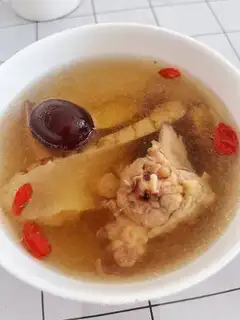
Codonopsis is a popular addition to healing soups, particularly in postpartum recovery or convalescence. A classic recipe is “Dang Shen Chicken Soup,” which combines codonopsis root with chicken, ginger, and goji berries. The slow cooking process allows the root’s nutrients to infuse the broth, creating a nourishing and flavorful dish.
2. Teas and Infusions
Codonopsis tea is a simple and effective way to enjoy its benefits. To prepare, 5-10 grams of dried codonopsis root is steeped in hot water for 15-20 minutes, often combined with other herbs like jujube dates or licorice root to enhance flavor. This tea can be consumed daily to boost energy or support immunity.
3. Stir-Fries and Braised Dishes
Thinly sliced codonopsis root can be added to stir-fries or braised dishes, such as pork belly or tofu, to add a subtle sweetness and nutritional boost. Its mild flavor ensures it does not overpower other ingredients.
4. Desserts and Congees
For a sweet treat, codonopsis can be cooked into congee (rice porridge) or used in desserts like puddings and herbal jellies. When combined with ingredients like red dates, longan, or rock sugar, it creates a comforting and nutritious dessert.
5. Tinctures and Powders
For convenience, codonopsis is also available as a tincture or powder, which can be added to smoothies, juices, or oatmeal. This makes it easy to incorporate into modern diets for those with busy lifestyles.
Precautions and Potential Side Effects
While codonopsis is generally safe for most people when consumed in moderation, there are certain precautions to keep in mind:
1. Contraindications in Specific Populations
- Pregnancy and Breastfeeding: Limited research exists on codonopsis use during pregnancy or breastfeeding. Women in these groups should consult a healthcare provider before using it.
- Autoimmune Diseases: Codonopsis stimulates the immune system, which may exacerbate conditions like rheumatoid arthritis, lupus, or multiple sclerosis. Individuals with autoimmune disorders should avoid it unless supervised by a doctor.
- Bleeding Disorders: Codonopsis may have mild antiplatelet effects, increasing the risk of bleeding. People with bleeding disorders or those taking blood-thinning medications (e.g., warfarin, aspirin) should exercise caution.
2. Drug Interactions
Codonopsis may interact with certain medications, including:
- Immunosuppressants: By boosting immune function, it may reduce the effectiveness of drugs like cyclosporine or tacrolimus.
- Diabetes Medications: Codonopsis may lower blood sugar, so individuals taking insulin or oral diabetes drugs should monitor their levels closely to avoid hypoglycemia.
- Blood Pressure Medications: Its blood pressure-lowering effects may enhance the effects of antihypertensive drugs, leading to excessively low blood pressure.
3. Dosage Considerations
The appropriate dosage of codonopsis varies depending on the form and individual health needs. As a general guideline:
- Dried root: 10-30 grams per day, used in cooking or teas.
- Powder: 1-3 grams per day, added to food or beverages.
- Tincture: 2-4 ml, 2-3 times per day.
Excessive consumption (e.g., more than 50 grams per day) may cause side effects such as bloating, diarrhea, or abdominal discomfort.
4. Quality and Sourcing
When purchasing codonopsis, choose products from reputable suppliers to ensure purity and potency. Adulteration with other roots (e.g., ginseng) or contamination with pesticides or heavy metals is a risk with low-quality products. Organic or wildcrafted codonopsis is preferable when available.
Conclusion
Codonopsis pilosula is a true “superfood” that bridges the gap between nutrition and medicine. With its rich profile of saponins, polysaccharides, and antioxidants, it offers a wide range of health benefits, from immune support and stress reduction to improved digestion and heart health. Its mild flavor and versatility in the kitchen make it an easy addition to soups, teas, and stews, allowing people to harness its therapeutic potential in a delicious and accessible way.
However, like all herbal remedies, codonopsis should be used mindfully. Individuals with underlying health conditions, those taking medications, or pregnant/breastfeeding women should consult a healthcare provider before incorporating it into their diet. When sourced and used appropriately, codonopsis can be a valuable ally in maintaining overall health and vitality, embodying the wisdom of traditional medicine in a modern, global context.
As research continues to uncover the science behind this ancient herb, codonopsis pilosula is poised to become a staple in natural health regimens worldwide, proving that even the most humble roots can hold extraordinary power.