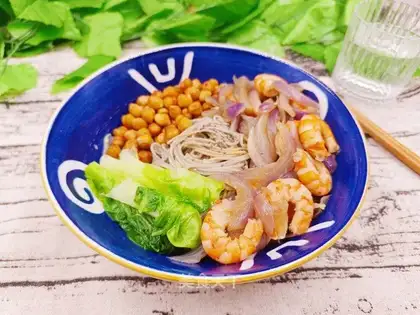
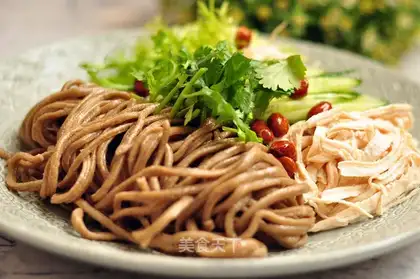
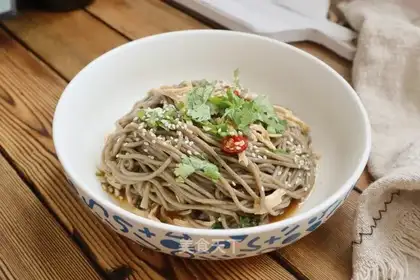
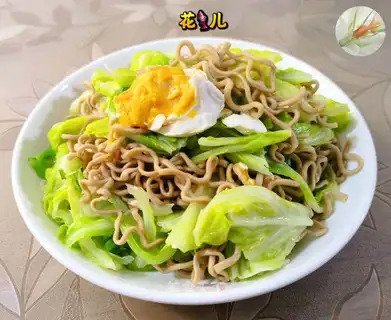
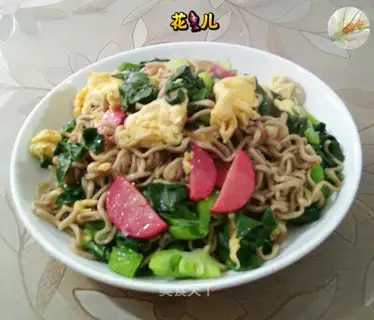
Soba noodles, a staple in Japanese cuisine for centuries, have transcended cultural boundaries to become a global favorite. Made from buckwheat flour, these slender, grayish-brown noodles are not only versatile in cooking but also packed with impressive nutritional and health-promoting properties. As consumers increasingly seek functional foods that support wellness, soba has emerged as a standout choice. This article explores the nutritional profile of soba noodles, their diverse health benefits, and important considerations for consumption to ensure safe and optimal enjoyment.
Nutritional Profile of Soba Noodles
Soba noodles derive their unique nutritional value primarily from buckwheat, a pseudocereal unrelated to wheat. Unlike refined wheat flour, buckwheat is a nutrient-dense whole grain, offering a rich array of vitamins, minerals, antioxidants, and dietary fiber. A 100-gram serving of dry soba noodles (typically yielding about 200 grams when cooked) contains approximately:
- Macronutrients: Around 34 grams of carbohydrates, 13 grams of protein, and 1–2 grams of fat. The protein in buckwheat is a "complete protein," containing all nine essential amino acids, including lysine, which is often limited in cereal grains. This makes soba a valuable plant-based protein source, particularly for vegetarians and vegans.
- Dietary Fiber: Buckwheat is high in dietary fiber, providing about 6–7 grams per 100 grams of dry noodles. Fiber aids digestion, promotes satiety, and supports gut health by acting as a prebiotic, feeding beneficial gut bacteria.
- Vitamins and Minerals: Soba is a rich source of B vitamins, including thiamine (B1), riboflavin (B2), and niacin (B3), which play crucial roles in energy metabolism. It also contains minerals like magnesium (essential for muscle and nerve function), manganese (important for bone health and antioxidant defense), and zinc (vital for immune function). Notably, soba provides more manganese and magnesium than wheat-based pasta.
- Antioxidants: Buckwheat is particularly renowned for its antioxidant content, including rutin, quercetin, and anthocyanins. Rutin, a flavonoid concentrated in buckwheat hulls, is a potent antioxidant that helps combat oxidative stress and inflammation. These compounds contribute to soba’s reputation as a functional food with disease-fighting potential.
Health Benefits of Soba Noodles
The combination of nutrients in soba noodles translates to a range of health benefits, from improved heart health to better blood sugar control.
1. Supports Heart Health
Buckwheat’s high fiber and antioxidant content make it a heart-healthy food. Fiber helps lower LDL ("bad") cholesterol by binding to it in the digestive system and promoting its excretion. Rutin, in particular, strengthens blood vessels, improves circulation, and reduces hypertension by enhancing the flexibility of capillaries. Studies suggest that regular consumption of buckwheat-based foods may lower the risk of cardiovascular disease, including heart attacks and strokes.
2. Regulates Blood Sugar Levels
Soba noodles have a low glycemic index (GI) of around 55, meaning they cause a slower, more gradual rise in blood sugar compared to high-GI foods like white bread or refined pasta. This is attributed to their fiber and protein content, which slow digestion and glucose absorption. For individuals with diabetes or those at risk of blood sugar spikes, soba is a smart alternative to refined grains, helping to maintain stable energy levels and reduce the risk of insulin resistance.
3. Promotes Digestive Health
The dietary fiber in soba acts as a natural cleanser for the digestive tract. It adds bulk to stool, preventing constipation, and supports a healthy gut microbiome by fermenting into short-chain fatty acids (SCFAs), which nourish colon cells and reduce inflammation. Additionally, buckwheat’s resistant starch (a type of fiber that resists digestion) may enhance gut barrier function, protecting against conditions like irritable bowel syndrome (IBS).
4. Aids Weight Management
Soba noodles are a low-calorie, nutrient-dense food that can support weight loss or maintenance goals. Their high fiber and protein content increase satiety, reducing overall calorie intake by curbing hunger. A 2019 study published in the Journal of Nutrition found that high-fiber, high-protein grains like buckwheat are associated with lower body weight and reduced abdominal fat compared to refined grains.
5. Provides Gluten-Free Option
For individuals with celiac disease or gluten sensitivity, soba noodles are a gluten-free alternative to wheat-based pasta. However, it is important to note that not all soba noodles are 100% gluten-free. Traditional soba is made from pure buckwheat flour, but many commercial varieties blend wheat flour to improve texture. Gluten-sensitive consumers should look for "100% buckwheat soba" or certified gluten-free labels to avoid cross-contamination.
6. Boosts Immune Function
Soba’s zinc and vitamin C content (when served with fresh vegetables) supports immune health. Zinc is critical for immune cell development and function, while vitamin acts as an antioxidant that protects cells from damage. Together, these nutrients help the body fight infections and reduce inflammation.
Precautions and Potential Side Effects
While soba noodles are a healthy addition to most diets, there are several considerations to keep in mind to avoid adverse effects.
1. Gluten Contamination in Non-Pure Soba
As mentioned earlier, many commercial soba noodles contain wheat flour, which poses a risk to individuals with celiac disease or gluten intolerance. Even "buckwheat" soba may be cross-contaminated with gluten during processing if shared equipment is used. Always check labels for "gluten-free" certification or opt for brands that explicitly state "100% buckwheat soba."
2. Allergic Reactions to Buckwheat
Though rare, buckwheat allergies can occur, particularly in individuals allergic to other grains like wheat or rice. Symptoms may include hives, itching, swelling, digestive distress, or in severe cases, anaphylaxis. Those with a known buckwheat allergy should avoid soba noodles entirely.
3. High in Sodium (in Some Variants)
Instant or pre-packaged soba noodles often contain high levels of sodium due to added seasonings or sauces. Excessive sodium intake is linked to hypertension and heart disease. To reduce sodium, choose plain soba noodles and prepare them with homemade low-sodium broths or sauces, and pair them with fresh vegetables and lean proteins.
4. Phytates and Mineral Absorption
Buckwheat, like other whole grains, contains phytates, compounds that can bind to minerals like iron, zinc, and calcium, reducing their absorption. While phytates have antioxidant benefits, individuals with mineral deficiencies may need to mitigate this by soaking or fermenting soba noodles before cooking, or pairing them with vitamin C-rich foods (e.g., bell peppers, broccoli) to enhance iron absorption.
5. Caloric Density When Overcooked or Overdressed
While soba noodles are low in calories, they can become calorie-dense when served with high-fat toppings like tempura, creamy sauces, or excessive oil. To maintain their health benefits, prepare soba with light broths, steamed vegetables, tofu, or lean fish, and limit fried or high-sugar additions.
Conclusion
Soba noodles are a nutritional powerhouse that offers a unique blend of protein, fiber, vitamins, minerals, and antioxidants. From supporting heart health and regulating blood sugar to aiding digestion and weight management, their health benefits are well-supported by scientific evidence. However, mindful consumption is key: individuals with gluten sensitivities must choose certified gluten-free varieties, while those with allergies or mineral concerns should take precautions.
Whether enjoyed cold with a zesty sesame sauce (zaru soba) in a warm broth (kake soba), soba noodles are a versatile and delicious way to enhance overall health. By understanding their nutritional value and potential drawbacks, consumers can incorporate soba into a balanced diet, reaping its benefits while minimizing risks. As the global demand for functional foods grows, soba noodles stand out as a timeless, nutrient-rich choice that bridges tradition and modern wellness.