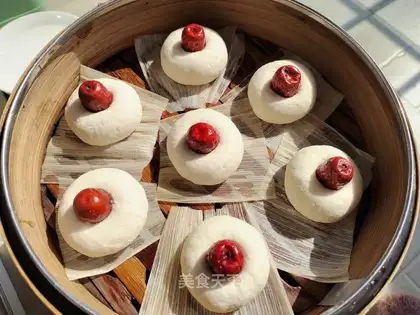
In the world of culinary byproducts, few are as overlooked yet nutritionally potent as okara—the nutrient-rich pulp leftover from soy milk or tofu production. Often dismissed as animal feed or waste, this fibrous, pale substance is a hidden gem, packed with protein, fiber, and bioactive compounds that offer remarkable health benefits. For centuries, okara has been a staple in East Asian cuisines, particularly in Japan (where it is called okara) and China (as douzha), but its global recognition is only now gaining momentum. As interest in sustainable eating and plant-based nutrition grows, okara emerges as a versatile, affordable, and eco-friendly ingredient. This article explores the nutritional profile of okara, its evidence-based health benefits, and important precautions to consider when incorporating it into the diet.
I. Nutritional Value: A Nutrient-Dense Byproduct
Okara is often called the "soybean gem" because it retains most of the soybean’s nutrients after the oil and milk are extracted. A 100-gram serving of okara (approximately 1 cup, cooked) contains approximately:
- Protein: 4–5 grams, including all nine essential amino acids, making it a complete plant-based protein. This is particularly notable since okara is derived from soy, a legume renowned for its high-quality protein.
- Dietary Fiber: 7–8 grams, primarily insoluble fiber (e.g., cellulose, hemicellulose) and some soluble fiber (e.g., pectin). This fiber content is significantly higher than that of whole soybeans, as the fiber remains concentrated during soy milk production.
- Vitamins and Minerals: Rich in B vitamins (e.g., riboflavin, niacin, folate), vitamin E, and minerals such as calcium, magnesium, potassium, and iron. Notably, okara is a good source of calcium (50–60 mg per 100 grams), making it valuable for bone health, especially for those avoiding dairy.
- Phytochemicals: Contains isoflavones (e.g., genistein, daidzein), saponins, and phytosterols—bioactive compounds with antioxidant, anti-inflammatory, and cholesterol-lowering properties. These compounds are retained in okara, as they are not water-soluble and remain in the pulp.
- Low in Fat and Calories: With just 1–2 grams of fat and 50–60 calories per 100 grams, okara is a low-energy-dense food, ideal for weight management.
What sets okara apart from other soy products is its unique texture: a moist, crumbly consistency with a mild, nutty flavor, making it adaptable to both sweet and savory dishes. Unlike tofu or tempeh, it is not processed into a solid block, allowing it to absorb flavors while adding bulk and nutrients.
II. Health Benefits: Backed by Science
The nutritional composition of okara translates into a range of health benefits, supported by both traditional use and modern research.
1. Supports Digestive Health
Okara’s high fiber content is its most celebrated benefit. Insoluble fiber adds bulk to stool, promoting regular bowel movements and preventing constipation. Soluble fiber, on the other hand, acts as a prebiotic, feeding beneficial gut bacteria (e.g., Bifidobacteria and Lactobacillus). A healthy gut microbiome is linked to improved immunity, reduced inflammation, and lower risk of gastrointestinal diseases. Studies suggest that regular fiber intake from sources like okara may also reduce the risk of colorectal cancer by accelerating the elimination of carcinogens from the digestive tract.
2. Enhances Weight Management
As a low-calorie, high-fiber food, okara promotes satiety—the feeling of fullness—without adding excessive calories. Fiber slows gastric emptying, keeping you fuller for longer and reducing overall calorie intake. A 2018 study in the Journal of the Academy of Nutrition and Dietetics found that high-fiber foods like okara can help with weight loss by decreasing hunger and snacking between meals. Additionally, its protein content contributes to muscle maintenance, which is crucial for a healthy metabolism.
3. Regulates Blood Sugar and Reduces Diabetes Risk
The fiber and protein in okara work synergistically to stabilize blood sugar levels. Fiber slows the absorption of glucose in the bloodstream, preventing sharp spikes and crashes in blood sugar, while protein minimizes the postprandial (after-meal) rise in glucose. A 2020 study published in Nutrients reported that regular consumption of soy-based fiber (like okara) improved insulin sensitivity and reduced HbA1c levels (a marker of long-term blood sugar control) in individuals with type 2 diabetes. For prediabetic individuals, okara may serve as a dietary tool to delay or prevent disease progression.
4. Lowers Cholesterol and Supports Heart Health
Soy isoflavones and phytosterols in okara have cholesterol-lowering effects. Phytosterols compete with dietary cholesterol for absorption in the intestines, reducing the amount of cholesterol entering the bloodstream. Isoflavones, particularly genistein, inhibit LDL ("bad") cholesterol oxidation and improve lipid profiles. A meta-analysis in the American Journal of Clinical Nutrition found that daily soy isoflavone intake (30–50 mg, equivalent to 1–2 servings of okara) reduced LDL cholesterol by 3–5% and total cholesterol by 4–6%. Over time, these reductions can lower the risk of atherosclerosis, heart attack, and stroke.
5. Promotes Bone Health
Okara is a valuable source of calcium and vitamin K, both essential for bone density. Calcium is the primary mineral in bone, while vitamin K activates osteocalcin, a protein that binds calcium to the bone matrix. Soy isoflavones may also enhance bone health by reducing bone resorption (the breakdown of bone tissue) and increasing bone formation. A 2019 study in Osteoporosis International found postmenopausal women who consumed soy isoflavones regularly had higher bone mineral density than those who did not. For individuals lactose intolerant or following a vegan diet, okara offers a dairy-free calcium alternative.
6. Anticancer Potential
The phytochemicals in okara, especially isoflavones and saponins, have shown anticancer properties in laboratory and animal studies. Genistein, for instance, inhibits the growth of cancer cells by blocking angiogenesis (the formation of new blood vessels that feed tumors) and inducing apoptosis (programmed cell death). While human studies are limited, epidemiological research suggests populations with high okara intake (e.g., parts of Japan and China) have lower rates of hormone-related cancers, such as breast and prostate cancer.
7. Sustainable and Affordable Nutrition
Beyond personal health, okara benefits planetary health. Using okara reduces food waste: for every 1 liter of soy milk produced, approximately 1.5–2 cups of okara are generated, which would otherwise be discarded. It is inexpensive to produce, as it utilizes a byproduct of soy processing, making it accessible to low-income populations. By incorporating okara into diets, individuals can support sustainable food systems while boosting nutrient intake.
III. Precautions and Potential Side Effects
While okara is a nutritious food, it is not without precautions. Certain individuals should consume it mindfully, and proper preparation is key to maximizing benefits and minimizing risks.
1. Soy Allergies
Individuals with soy allergies should avoid okara entirely, as it is derived from soybeans. Soy allergies can range from mild (hives, itching) to severe (anaphylaxis), so even small amounts of okara can trigger reactions. Those with known soy allergies should opt for alternative fiber sources, such as oat bran or psyllium husk.
2. Digestive Discomfort
Okara’s high fiber content can cause digestive issues in some people, especially when consumed in large amounts or suddenly. Symptoms may include bloating, gas, abdominal cramps, or diarrhea. To minimize these effects, start with small servings (e.g., 2–3 tablespoons per day) and gradually increase intake. Soaking okara in water or broth before cooking can also soften its texture and improve digestibility.
3. Phytates and Mineral Absorption
Like all soy products, okara contains phytates (phytic acid), compounds that bind to minerals (e.g., iron, zinc, calcium) and reduce their absorption. While phytates have antioxidant benefits, excessive intake may impair mineral status, particularly in individuals with already low mineral levels (e.g., vegetarians or those with iron deficiency anemia). To reduce phytate content, soak okara in warm water for several hours or cook it with acidic ingredients (e.g., lemon juice or vinegar), which enhances mineral bioavailability.
4. Purine Content
Okara is moderate in purines, natural compounds found in plant and animal foods. High purine intake can trigger gout flares in individuals with the condition, as purines break down into uric acid, which accumulates in joints. People with gout or kidney problems should limit okara intake to 1–2 servings per week and consult a healthcare provider for personalized advice.
5. Medication Interactions
Soy isoflavones may interact with certain medications. For example, they can enhance the effects of anticoagulants (e.g., warfarin) by inhibiting vitamin K-dependent clotting factors, increasing bleeding risk. Additionally, isoflavones may interfere with hormone therapies (e.g., tamoxifen for breast cancer), as they have weak estrogenic effects. Individuals taking medications should consult a doctor before adding okara to their diet.
IV. Creative Ways to Incorporate Okara into the Diet
Okara’s versatility makes it easy to include in daily meals. Here are some ideas:
- Savory Dishes: Mix okara into veggie burgers, meatballs, or meatloaf to add fiber and protein. Use it as a base for veggie patties or as a thickener for soups and stews.
- Baking: Replace 10–20% of flour in bread, muffins, or cookies with okara to boost fiber and moisture content.
- Breakfast: Stir okara into oatmeal, yogurt, or smoothies for added texture and nutrients. It can also be used to make savory breakfast porridges (e.g., with vegetables and tofu).
- Desserts: In East Asian cuisines, okara is used to make sweets like okara mochi (a chewy rice cake) or yokan (a sweet bean jelly). It can also be mixed into cheesecakes or puddings for a low-calorie, high-fiber twist.
- As a Side Dish: Sauté okara with garlic, onions, and soy sauce for a simple, healthy side dish, similar to scrambled tofu.
Conclusion
Okara is a nutritional powerhouse that challenges the notion of "waste" in food production. Its impressive protein, fiber, and phytochemical content, combined with its digestive, metabolic, and cardiovascular benefits, make it a valuable addition to a balanced diet. While precautions exist for those with allergies, sensitivities, or specific health conditions, most people can safely enjoy okara in moderation. As the global shift toward sustainability and plant-based nutrition accelerates, okara deserves a place in kitchens worldwide—not just as a byproduct, but as a celebrated ingredient that nourishes both body and planet. By embracing this humble soybean gem, we can reduce food waste, promote health, and discover new culinary possibilities.