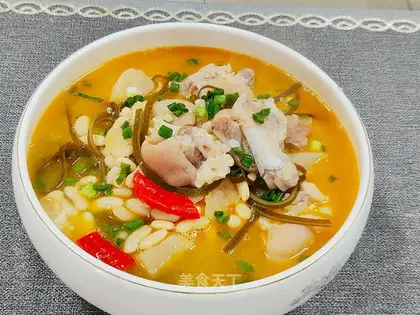
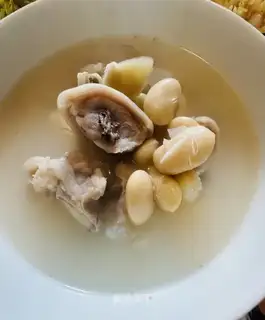
Common beans, scientifically known as Phaseolus vulgaris, are among the most widely consumed and versatile legumes globally. From hearty stews to vibrant salads, these humble pods have been dietary staples for centuries, cherished for their affordability, adaptability, and exceptional nutritional profile. Among the diverse varieties of common beans—such as kidney, black, navy, and pinto beans—the lima bean, often referred to as the "butter bean" for its creamy texture, stands out for its unique nutritional benefits and culinary flexibility. This article explores the nutritional composition of lima beans, their scientifically supported health benefits, and important precautions to ensure safe consumption.
I. Nutritional Value of Lima Beans
Lima beans are nutritional powerhouses, offering a dense array of macronutrients, micronutrients, and bioactive compounds that contribute to overall health. A 100-gram serving of cooked lima beans (without salt) provides approximately:
1. Macronutrients: A Plant-Based Protein and Fiber Source
Lima beans are an excellent source of plant-based protein, containing around 8.4 grams per 100 grams. This makes them a valuable alternative to animal protein for vegetarians, vegans, and individuals looking to reduce meat consumption. The protein in lima beans is rich in essential amino acids, including lysine and tryptophan, though it is slightly low in methionine— a limitation that can be balanced by combining them with whole grains like rice or corn, a practice common in traditional diets.
Fiber is another standout component, with lima beans providing approximately 7 grams per 100 grams. This includes both soluble and insoluble fiber, which play critical roles in digestive health, blood sugar regulation, and cholesterol management. Soluble fiber forms a gel-like substance in the gut, slowing digestion and nutrient absorption, while insoluble fiber adds bulk to stool, promoting regular bowel movements.
Additionally, lima beans are low in fat (containing just 0.3 grams per 100 grams) and virtually free of cholesterol, making them a heart-healthy choice. Their complex carbohydrates provide sustained energy, with a glycemic index (GI) of around 32, classifying them as a low-GI food that minimizes spikes in blood sugar.
2. Micronutrients: Essential Vitamins and Minerals
Lima beans are packed with essential micronutrients that support vital bodily functions:
- Molybdenum: A single serving of lima beans provides over 100% of the daily recommended intake (DRI) of molybdenum, a trace mineral crucial for enzyme activity, particularly those involved in metabolizing proteins and toxins.
- Manganese: With about 0.3 milligrams per 100 grams (15% of DRI), manganese supports bone formation, antioxidant defense, and wound healing.
- Potassium: Lima beans offer approximately 467 milligrams of potassium per 100 grams, helping regulate blood pressure by balancing sodium levels and supporting fluid balance.
- Magnesium: At 43 milligrams per 100 grams (10% of DRI), magnesium is vital for muscle function, nerve signaling, and blood sugar control.
- Folate (Vitamin B9): With 39 micrograms per 100 grams (10% of DRI), folate is essential for DNA synthesis, cell division, and preventing neural tube defects during pregnancy.
- Iron: Lima beans provide 2.2 milligrams of iron per 100 grams (12% of DRI), which is critical for oxygen transport in the blood. However, plant-based iron (non-heme) is less easily absorbed than heme iron from animal sources; pairing lima beans with vitamin C-rich foods (like bell peppers or tomatoes) can enhance absorption.
3. Bioactive Compounds: Antioxidants and Phytochemicals
Lima beans contain a variety of bioactive compounds that contribute to their health-promoting properties. These include:
- Polyphenols: Such as flavonoids and phenolic acids, which have antioxidant and anti-inflammatory effects. These compounds help neutralize free radicals, reducing oxidative stress linked to chronic diseases like cancer and heart disease.
- Saponins: Plant compounds that may help lower cholesterol and have immune-boosting properties, though excessive intake can interfere with mineral absorption (discussed later).
- Phytates: Naturally occurring compounds in seeds that can bind to minerals like iron and zinc, reducing their bioavailability. Soaking or cooking lima beans can significantly lower phytate levels, improving mineral absorption.
II. Health Benefits of Lima Beans
The combination of nutrients and bioactive compounds in lima beans confers a range of health benefits, supported by scientific research:
1. Supports Heart Health
Lima beans are a heart-healthy food due to their high fiber, potassium, and low-fat content. Soluble fiber helps lower LDL ("bad") cholesterol by binding to bile acids in the gut, promoting their excretion and forcing the liver to use cholesterol to produce more bile. Potassium, meanwhile, counteracts the effects of sodium by relaxing blood vessel walls and reducing blood pressure. A study published in the Journal of Nutrition found that regular legume consumption, including lima beans, was associated with a 14% lower risk of coronary heart disease.
2. Regulates Blood Sugar Levels
As a low-GI food rich in fiber and protein, lima beans help stabilize blood sugar by slowing the absorption of glucose into the bloodstream. This is particularly beneficial for individuals with diabetes or those at risk of developing the condition. A review in Archives of Internal Medicine concluded that replacing refined grains with legumes like lima beans could improve glycemic control and reduce insulin resistance in type 2 diabetics.
3. Promotes Digestive Health
The fiber in lima beans acts as a prebiotic, feeding beneficial gut bacteria and promoting a healthy microbiome. A balanced gut microbiome is linked to improved digestion, enhanced immune function, and a reduced risk of gastrointestinal disorders like irritable bowel syndrome (IBS). Additionally, insoluble fiber prevents constipation by adding bulk to stool and supporting regular bowel movements.
4. Aids Weight Management
Lima beans are a valuable food for weight management due to their high fiber and protein content, which increase satiety (the feeling of fullness) and reduce overall calorie intake. A study in the American Journal of Clinical Nutrition found that high-protein, high-fiber meals led to greater feelings of fullness and lower subsequent calorie intake compared to low-protein, low-fiber meals. Incorporating lima beans into meals can help prevent overeating and support long-term weight maintenance.
5. Supports Bone Health
Lima beans are a good source of minerals essential for bone health, including manganese, magnesium, and calcium (though calcium levels are moderate). Manganese plays a key role in bone formation, while magnesium helps regulate calcium levels and supports bone density. Additionally, the low-sodium content of lima beans reduces calcium loss in urine, further protecting bone health.
6. Enhances Immune Function
The nutrients in lima beans, such as folate, iron, and zinc, are critical for a healthy immune system. Iron supports the production of white blood cells, which fight infections, while zinc is essential for immune cell development and function. A 2019 study in Nutrients found that zinc deficiency impairs immune responses, highlighting the importance of consuming zinc-rich foods like lima beans.
III. Precautions and Potential Side Effects
While lima beans are highly nutritious, improper preparation or consumption can lead to adverse effects. Here are key precautions to keep in mind:
1. Lectin Toxicity: The Importance of Cooking
Raw or undercooked lima beans contain high levels of lectins, particularly phytohaemagglutinin, a toxic protein that can cause nausea, vomiting, diarrhea, and abdominal pain. In severe cases, lectin poisoning may lead to more dangerous symptoms like fever and difficulty breathing. Cooking lima beans thoroughly destroys lectins, making them safe to eat. It is crucial to boil lima beans for at least 10 minutes to ensure complete inactivation of these toxins.
2. Antinutrients: Phytates and Tannins
Lima beans contain antinutrients like phytates and tannins, which can bind to minerals (iron, zinc, calcium) and reduce their absorption. While antinutrients are not harmful in moderation, excessive intake can lead to deficiencies, particularly in individuals with poor mineral status or those relying heavily on legumes for nutrition. Soaking lima beans overnight and discarding the soaking water can reduce phytate levels by up to 50%. Cooking further decreases antinutrient content, improving mineral bioavailability.
3. Gas and Digestive Discomfort
Like all legumes, lima beans contain oligosaccharides (complex sugars like raffinose and stachyose) that are difficult for the human digestive system to break down. These sugars ferment in the colon, producing gas and causing bloating or discomfort. To minimize this, gradually increase lima bean intake to allow the gut to adjust, and consider using enzyme supplements (like alpha-galactosidase) that help break down oligosaccharides.
4. Purine Content and Gout
Lima beans are moderately high in purines, natural compounds that break down into uric acid. In individuals with gout or a history of kidney stones, excessive purine intake can trigger uric acid buildup, leading to painful joint inflammation. People with these conditions should consume lima beans in moderation and consult a healthcare provider for personalized advice.
5. Sodium Content in Canned Varieties
Canned lima beans often contain added salt to preserve flavor and texture. Excessive sodium intake is linked to high blood pressure and an increased risk of heart disease. Opt for low-sodium or no-salt-added canned varieties, or choose dried lima beans and cook them at home to control sodium levels.
IV. Conclusion
Lima beans are a nutritional powerhouse, offering a rich blend of protein, fiber, vitamins, minerals, and bioactive compounds that support heart health, blood sugar regulation, digestion, and immune function. Their versatility in culinary applications—from soups and stews to dips and salads—makes them an easy addition to a balanced diet. However, to maximize their benefits and minimize risks, it is essential to cook them thoroughly, soak dried beans to reduce antinutrients, and consume them in moderation, especially for individuals with gout or kidney issues.
Incorporating lima beans into regular meals is a simple yet effective way to enhance nutritional intake and promote long-term health. As the old adage goes, "beans are the poor man’s meat," but their nutritional value and health benefits make them a treasure for people of all walks of life. By understanding their nutritional profile, health benefits, and precautions, we can fully appreciate the role of lima beans as a cornerstone of a healthy, sustainable diet.