Introduction
In the diverse landscape of global cuisine, few ingredients are as versatile, nutritious, and culturally significant as tofu skin, commonly known in English as yuba or bean curd skin. For centuries, this delicate, paper-thin byproduct of soybean milk production has been a cornerstone of Asian culinary traditions, prized for its unique texture, mild flavor, and exceptional health benefits. Often referred to as "the bean curd’s silk," tofu skin is created when a film forms on the surface of heated soy milk, which is then carefully harvested and dried. While it may seem unassuming, this ingredient is a nutritional powerhouse, packed with protein, essential amino acids, vitamins, and minerals. Beyond its nutritional profile, tofu skin offers a range of health benefits, from supporting heart health to promoting skin vitality. However, like all foods, it must be consumed mindfully, as certain dietary restrictions and preparation methods can influence its safety and efficacy. This article explores the nutritional value, health benefits, and potential risks of tofu skin, providing a comprehensive guide for incorporating this superfood into a balanced diet.
Nutritional Value of Tofu Skin
Tofu skin’s nutritional composition is one of its most compelling attributes, making it an excellent addition to vegetarian, vegan, and omnivorous diets alike. Derived from soybeans—a legume renowned for its high protein content—tofu skin retains many of the bean’s beneficial nutrients while offering a unique nutrient density.
Protein and Amino Acids
Protein is the most abundant nutrient in tofu skin, with a typical 100-gram serving providing approximately 20–30 grams of high-quality protein. This protein is "complete," meaning it contains all nine essential amino acids (histidine, isoleucine, leucine, lysine, methionine, phenylalanine, threonine, tryptophan, and valine) that the human body cannot synthesize independently. Essential amino acids are critical for muscle repair, immune function, and enzyme production. For vegetarians and vegans, tofu skin is a particularly valuable protein source, as it complements plant-based proteins like grains and legumes, which may lack one or more essential amino acids.
Low in Fat and Calories
Unlike animal-based proteins, tofu skin is exceptionally low in fat and calories. A 100-gram serving contains just 1–3 grams of fat (mostly heart-healthy unsaturated fats) and around 150–200 calories, making it an ideal choice for weight management. Its low-fat profile also makes it suitable for individuals with conditions like hyperlipidemia or those following a low-fat diet.
Vitamins and Minerals
Tofu skin is a rich source of several key vitamins and minerals:
- Iron: Essential for oxygen transport and red blood cell production, tofu skin provides non-heme iron, which is more easily absorbed when consumed with vitamin C (e.g., alongside vegetables like bell peppers or broccoli).
- Calcium: Important for bone health, tofu skin contains moderate amounts of calcium, particularly when calcium sulfate is used as a coagulant during production. A 100-gram serving may provide 10–20% of the daily recommended intake.
- Magnesium: Plays a role in over 300 enzymatic reactions, including muscle function, blood sugar regulation, and blood pressure control. Tofu skin is a good plant-based source of this mineral.
- B Vitamins: It contains riboflavin (B2), niacin (B3), and vitamin B12 (often fortified in commercial varieties), which are vital for energy metabolism and nervous system health.
- Zinc: Supports immune function, wound healing, and DNA synthesis. Tofu skin is a valuable source of zinc for individuals following plant-based diets, which may be lower in this mineral.
Fiber and Bioactive Compounds
Tofu skin is also a source of dietary fiber, which aids digestion, promotes satiety, and helps regulate blood sugar levels. Additionally, it contains bioactive compounds like isoflavones—phytoestrogens with antioxidant and anti-inflammatory properties. Isoflavones, such as genistein and daidzein, have been linked to reduced risk of chronic diseases, including heart disease and certain cancers.
Health Benefits of Tofu Skin
The impressive nutritional profile of tofu skin translates into a range of health benefits, supported by both traditional use and modern scientific research.
1. Supports Heart Health
Tofu skin is a heart-healthy food due to its low saturated fat content and high levels of unsaturated fats, including polyunsaturated fatty acids (PUFAs). These fats help lower LDL ("bad") cholesterol and increase HDL ("good") cholesterol, reducing the risk of atherosclerosis and heart disease. The isoflavones in tofu skin also contribute to cardiovascular health by improving blood vessel elasticity and reducing inflammation. A study published in the Journal of Nutrition found that regular soy isoflavone intake was associated with a 12–14% lower risk of coronary heart disease.
2. Promotes Muscle Maintenance and Repair
With its high protein content and complete amino acid profile, tofu skin is an excellent food for muscle health. Protein is essential for repairing muscle tissue after exercise and preventing age-related muscle loss (sarcopenia). Athletes and older adults, in particular, can benefit from incorporating tofu skin into their diets to support muscle mass and strength.
3. Aids in Weight Management
The combination of high protein and low calorie content makes tofu skin a valuable tool for weight loss and weight maintenance. Protein increases satiety, reducing overall calorie intake by curbing hunger. Additionally, the fiber in tofu skin slows digestion, helping to stabilize blood sugar levels and prevent overeating. A study in the American Journal of Clinical Nutrition found that high-protein diets are more effective for weight loss than low-protein diets, as they preserve lean muscle mass while promoting fat loss.
4. Enhances Skin Health
Tofu skin’s rich nutrient profile makes it beneficial for skin vitality. The protein in tofu skin provides amino acids that are the building blocks of collagen, a protein that maintains skin elasticity and firmness. Additionally, the isoflavones in tofu skin have antioxidant properties, which protect the skin from damage caused by free radicals (e.g., UV radiation and pollution). Vitamin E, if present in fortified varieties, also supports skin health by reducing inflammation and promoting moisture retention.
5. Supports Bone Health
While tofu skin is not as high in calcium as dairy products, it still contributes to bone health, particularly when consumed as part of a calcium-rich diet. The magnesium in tofu skin aids in calcium absorption and bone mineralization, reducing the risk of osteoporosis. For individuals with lactose intolerance or milk allergies, tofu skin is a valuable alternative source of bone-building nutrients.
6. Regulates Blood Sugar Levels
The fiber and protein in tofu skin help regulate blood sugar by slowing the absorption of glucose into the bloodstream. This is particularly beneficial for individuals with diabetes or insulin resistance. A study in the Diabetes Care journal found that soy protein improved insulin sensitivity and reduced postprandial blood sugar levels in individuals with type 2 diabetes.
Potential Risks and Consumption Considerations
While tofu skin is a nutritious food, there are several factors to consider to ensure safe and healthy consumption.
1. Soy Allergies
Soy is one of the eight major allergens, and individuals with soy allergies should strictly avoid tofu skin. Allergic reactions can range from mild (hives, itching) to severe (anaphylaxis), requiring immediate medical attention. Those with undiagnosed soy allergies should consult a healthcare professional before consuming tofu skin.
2. Phytic Acid Content
Tofu skin contains phytic acid, an antinutrient that can bind to minerals like iron, zinc, and calcium, reducing their absorption. While phytic acid has antioxidant benefits, individuals with mineral deficiencies may need to limit their intake or prepare tofu skin in ways that reduce phytic acid levels, such as soaking, fermenting, or cooking.
3. Sodium Content
Commercially produced tofu skin, especially dried or flavored varieties, may be high in sodium due to added salt during processing. High sodium intake is linked to hypertension and heart disease, so individuals with high blood pressure should opt for low-sodium or unsalted versions and consume tofu skin in moderation.
4. Genetically Modified (GM) Soy
Most soybeans grown globally are genetically modified to resist pests and herbicides. For consumers concerned about GM foods, choosing organic tofu skin made from non-GMO soybeans is recommended. Organic products are free from synthetic pesticides and GMOs, ensuring a cleaner and more sustainable option.
5. Purine Content
Tofu skin contains purines, natural compounds that break down into uric acid. Individuals with gout or kidney problems should limit their intake of high-purine foods, as excess uric acid can trigger gout attacks or worsen kidney function. However, for most people, purine intake from tofu skin is not a concern.
Culinary Uses and Preparation Tips
Tofu skin’s versatility in the kitchen makes it a favorite among chefs and home cooks alike. It can be used in a variety of dishes, from soups and stir-fries to salads and desserts.
Types of Tofu Skin
- Fresh Tofu Skin: Soft and pliable, often used in soups or salads.
- Dried Tofu Skin: Hard and brittle, rehydrated before use. Common in dishes like mapo tofu or vegetable rolls.
- Fried Tofu Skin: Crispy and golden, used as a topping for noodle dishes or as a snack.
- Smoked Tofu Skin: Infused with a smoky flavor, often used in braised dishes or as a meat substitute.
Preparation Methods
- Rehydrating Dried Tofu Skin: Soak dried tofu skin in warm water for 10–15 minutes until soft, then drain and squeeze out excess water.
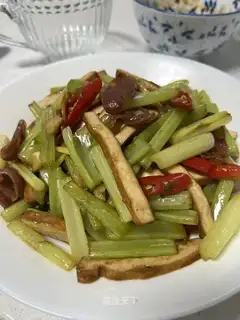
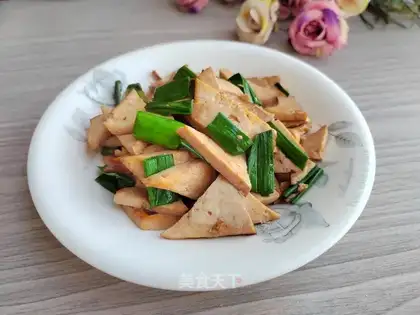
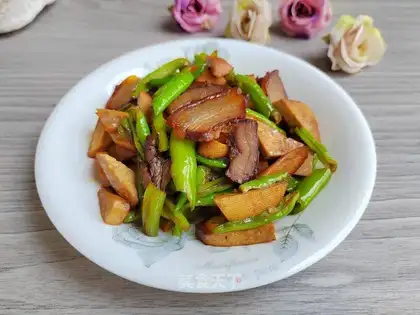
- Stir-frying: Cut tofu skin into strips and stir-fry with vegetables, tofu, or meat for a quick and nutritious meal.
- Braising: Simmer tofu skin in a flavorful broth with soy sauce, ginger, and garlic to absorb the spices.
- Grilling or Baking: Marinate tofu skin and grill or bake it for a crispy, protein-rich snack.
Recipe Idea: Tofu Skin and Vegetable Stir-fry
Ingredients:
- 100 grams dried tofu skin, rehydrated and cut into strips
- 1 bell pepper, sliced
- 1 carrot, julienned
- 2 cloves garlic, minced
- 1 tablespoon soy sauce
- 1 teaspoon sesame oil
- 1 tablespoon vegetable oil
Instructions:
1. Heat vegetable oil in a wok over medium-high heat. Add garlic and stir-fry for 30 seconds until fragrant.
2. Add carrots and bell pepper, stir-frying for 2–3 minutes until crisp-tender.
3. Add tofu skin and soy sauce, stirring for 1–2 minutes until heated through.
4. Drizzle with sesame oil and serve hot.
Conclusion
Tofu skin is a nutritional powerhouse that offers a wealth of health benefits, from supporting heart health and muscle maintenance to enhancing skin vitality and regulating blood sugar. Its high protein, low fat, and rich nutrient profile make it an ideal ingredient for individuals seeking to improve their diet, whether for weight management, athletic performance, or overall well-being. However, mindful consumption is key, particularly for those with soy allergies, high blood pressure, or kidney issues. By choosing high-quality, organic tofu skin and preparing it in healthy ways, this humble ingredient can be a delicious and nutritious addition to any meal. As global interest in plant-based foods continues to grow, tofu skin is poised to remain a staple in kitchens worldwide, celebrated for its versatility, flavor, and exceptional health properties.