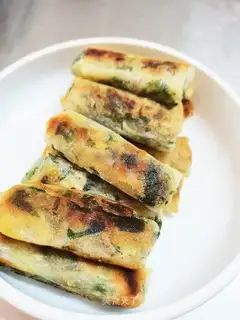
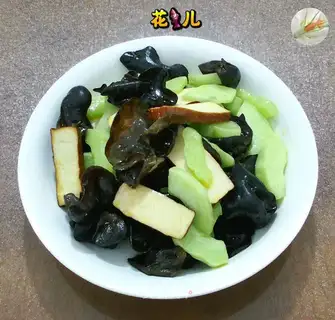
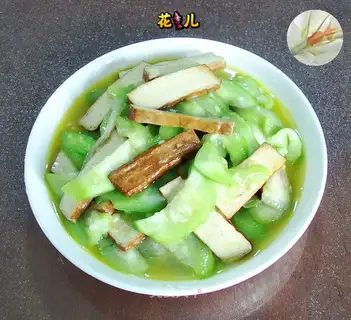
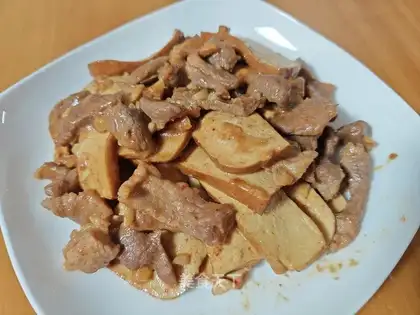
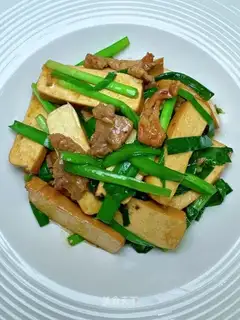
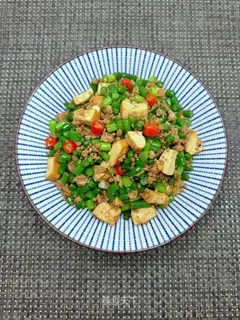
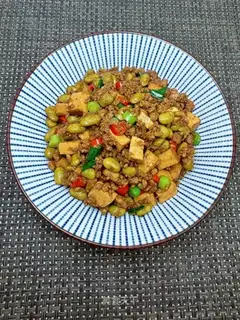
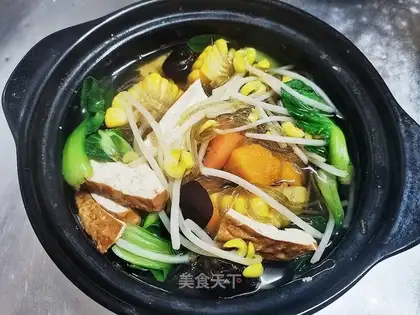
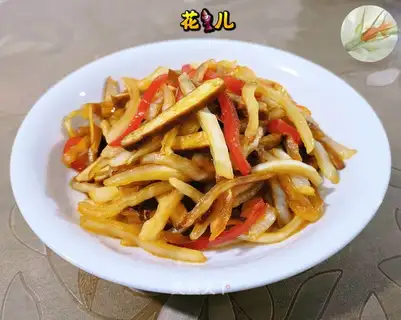
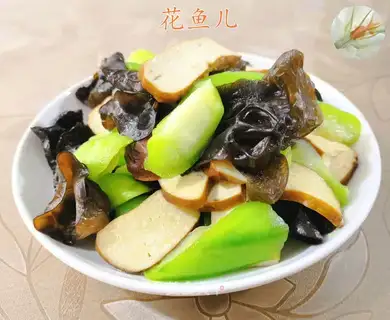
Dried tofu, known as xianggan in Chinese (literally "fragrant dried bean curd"), is a versatile and nutrient-dense food with a history spanning over a thousand years in East Asian cuisine. Made by pressing tofu into firm blocks and air-drying or smoking it, this ingredient boasts a unique chewy texture, rich umami flavor, and a concentrated profile of proteins, vitamins, and minerals. Beyond its culinary appeal, dried tofu has long been valued in traditional medicine for its potential health benefits. However, like all foods, it must be consumed mindfully to avoid adverse effects. This article explores the nutritional value of dried tofu, its evidence-based health benefits, and important precautions for safe consumption.
I. Nutritional Value of Dried Tofu
Dried tofu is a nutritional powerhouse, offering a dense concentration of macronutrients and micronutrients due to the water-removal process that amplifies its composition per serving. A 100-gram serving of plain dried tofu typically contains:
1. High-Quality Protein
Dried tofu is an excellent source of plant-based protein, providing approximately 20–25 grams per 100 grams—higher than fresh tofu (around 8 grams per 100 grams). It contains all nine essential amino acids, making it a "complete protein" comparable to animal-based sources like meat or eggs. This makes it particularly valuable for vegetarians, vegans, and individuals looking to reduce meat intake while maintaining muscle mass and overall health.
2. Healthy Fats
While dried tofu is relatively low in fat (around 5–10 grams per 100 grams), it primarily contains unsaturated fats, including omega-3 and omega-6 fatty acids, which support heart health by reducing LDL ("bad") cholesterol and inflammation. Some varieties, especially those made with added nuts or seeds, may offer a higher fat content, but these are generally beneficial in moderation.
3. Essential Vitamins and Minerals
Dried tofu is rich in several micronutrients:
- Calcium: A 100-gram serving provides 15–20% of the daily recommended intake, crucial for bone health and muscle function. The calcium content is often higher than in fresh tofu due to concentration.
- Iron: It contains 2–3 milligrams of iron per 100 grams, aiding in oxygen transport and preventing anemia. The iron in dried tofu is non-heme iron, which is enhanced when consumed with vitamin C-rich foods.
- Magnesium: Approximately 50–60 milligrams per 100 grams, supporting over 300 biochemical reactions in the body, including energy production and nerve function.
- Zinc: Around 1–2 milligrams per 100 grams, essential for immune health, wound healing, and DNA synthesis.
- B Vitamins: It provides moderate amounts of B vitamins, including riboflavin (B2), niacin (B3), and vitamin B12 (often fortified in commercial varieties), which are vital for metabolism and red blood cell formation.
4. Dietary Fiber and Antioxidants
Dried tofu is a good source of dietary fiber (3–5 grams per 100 grams), which promotes digestive health, regulates blood sugar levels, and enhances satiety. Additionally, it contains antioxidants like isoflavones (phytoestrogens found in soybeans), which help combat oxidative stress and reduce inflammation. The drying process may also increase the concentration of certain bioactive compounds, enhancing its antioxidant capacity.
II. Health Benefits of Dried Tofu
The nutritional profile of dried tofu translates into a range of health benefits, supported by both traditional use and modern scientific research.
1. Supports Muscle Maintenance and Weight Management
As a high-protein, low-calorie food (around 200–250 calories per 100 grams), dried tofu is ideal for muscle repair and growth, making it a favorite among athletes and fitness enthusiasts. Its protein content promotes satiety, reducing overall calorie intake and aiding in weight management. Studies suggest that high-protein diets can increase metabolic rate and preserve lean mass during weight loss, and dried tofu serves as an efficient plant-based protein source for such goals.
2. Promotes Heart Health
The unsaturated fats, fiber, and isoflavones in dried tofu contribute to cardiovascular benefits. Research indicates that soy isoflavones may lower LDL cholesterol, reduce blood pressure, and improve endothelial function (the health of blood vessel linings). A meta-analysis published in the American Journal of Clinical Nutrition found that regular soy protein consumption (like that in dried tofu) can reduce the risk of heart disease by 10–15%. Additionally, its low sodium content (when unsalted) helps regulate blood pressure, a key factor in heart health.
3. Strengthens Bones
Dried tofu’s high calcium and magnesium content makes it beneficial for bone density and prevention of osteoporosis. Calcium is the primary mineral in bones, while magnesium aids in calcium absorption and bone mineralization. For individuals lactose intolerant or following a dairy-free diet, dried tofu provides a valuable alternative to calcium-rich dairy products. Some varieties are also fortified with vitamin D, which further enhances calcium absorption.
4. Regulates Blood Sugar Levels
The fiber and protein in dried tofu help slow down the digestion and absorption of carbohydrates, preventing sharp spikes in blood sugar. This makes it particularly beneficial for individuals with diabetes or insulin resistance. A study in the Journal of Nutrition found that soy protein, like that in dried tofu, improved glycemic control and increased insulin sensitivity in postmenopausal women with type 2 diabetes.
5. Enhances Immune Function
Dried tofu contains zinc and selenium, minerals that play critical roles in immune system health. Zinc supports the development and function of immune cells, while selenium acts as an antioxidant that protects cells from damage. Additionally, its isoflavones may modulate immune responses, reducing inflammation and enhancing the body’s ability to fight infections.
6. Supports Hormonal Balance
Soy isoflavones in dried tofu exhibit weak estrogenic activity, which can be beneficial for women experiencing menopausal symptoms. Research suggests that isoflavones may reduce hot flashes, night sweats, and bone loss associated with menopause by binding to estrogen receptors. However, the effects vary among individuals, and more long-term studies are needed to fully understand its hormonal impacts.
III. Precautions and Potential Side Effects
While dried tofu offers numerous health benefits, it is important to consume it in moderation and be aware of potential risks, especially for certain populations.
1. Sodium Content
Many commercially available dried tofu varieties are high in sodium due to salting or marinating processes. Excessive sodium intake can lead to high blood pressure, fluid retention, and increased risk of heart disease. To mitigate this, opt for low-sodium or unsalted varieties and limit portion sizes (e.g., 1–2 servings per day).
2. Phytates and Mineral Absorption
Dried tofu contains phytates, compounds that can inhibit the absorption of minerals like iron, zinc, and calcium. While this is a concern for individuals with mineral deficiencies, the impact can be minimized by soaking or cooking dried tofu, which reduces phytate levels. Consuming it with vitamin C-rich foods (e.g., bell peppers, broccoli) also enhances non-heme iron absorption.
3. Soy Allergies
Soy is one of the top eight allergens, and individuals with soy allergies should avoid dried tofu entirely. Symptoms of a soy allergy can range from mild (hives, itching) to severe (anaphylaxis), so caution is essential. Those with unknown allergies should introduce dried tofu gradually and monitor for adverse reactions.
4. Thyroid Health
Soy isoflavones may interfere with thyroid function, particularly in individuals with iodine deficiency or pre-existing thyroid conditions. Isoflavones can inhibit the enzyme thyroid peroxidase, which is essential for thyroid hormone production. However, this effect is typically minimal in people with adequate iodine intake. Individuals with hypothyroidism should consult a healthcare provider before consuming large amounts of dried tofu.
5. GMO Concerns
Most soybeans used to make dried tofu are genetically modified (GMO). While GMO foods are generally considered safe, some consumers prefer to avoid them due to environmental or health concerns. Opting for organic or non-GMO certified dried tofu can address these concerns.
6. Purines and Gout
Dried tofu contains purines, which can break down into uric acid. For individuals with gout or high uric acid levels, excessive consumption of purine-rich foods may trigger flare-ups. Moderation is key, and those with gout should limit dried tofu intake to 1–2 servings per week.
IV. Conclusion
Dried tofu is a nutrient-dense ingredient that offers a wide range of health benefits, from supporting muscle growth and heart health to regulating blood sugar and strengthening bones. Its high protein, fiber, and micronutrient content make it a valuable addition to a balanced diet, especially for plant-based eaters. However, mindful consumption is essential to avoid potential risks such as high sodium intake, mineral absorption inhibition, and allergic reactions. By choosing low-sodium, non-GMO varieties and consuming it in moderation, individuals can enjoy the nutritional and culinary benefits of dried tofu while minimizing adverse effects. Whether stir-fried, grilled, or added to soups, dried tofu remains a timeless and versatile food that bridges tradition and modern nutrition.