Introduction
In the diverse world of legumes, few vegetables boast the unique combination of versatility, flavor, and nutritional density as yardlong beans (Vigna unguiculata subsp. sesquipedalis). Also known as long beans, asparagus beans, or bora beans, this slender, pod-like vegetable—despite its name—belongs to the cowpea family rather than true beans. Cultivated for millennia across Asia, Africa, and Southern Europe, yardlong beans have long been a staple in traditional cuisines, valued for their crisp texture and adaptability in stir-fries, curries, and salads. Beyond their culinary appeal, these unassuming pods are a nutritional powerhouse, packed with vitamins, minerals, fiber, and plant-based compounds that support overall health. However, like all foods, they must be consumed mindfully to avoid potential risks. This article explores the nutritional profile, health benefits, culinary applications, and precautions associated with yardlong beans, offering a comprehensive guide to incorporating this superfood into a balanced diet.
Nutritional Profile: A Closer Look at Yardlong Beans
Yardlong beans are a low-calorie, nutrient-rich food, making them an excellent choice for health-conscious individuals. A 100-gram serving of raw yardlong beans contains approximately:
- Calories: 30–35 kcal
- Protein: 2–3 grams
- Dietary Fiber: 2–3 grams
- Carbohydrates: 6–7 grams
- Fat: <0.5 grams
Their true nutritional value lies in their micronutrient and phytochemical content. Yardlong beans are an exceptional source of vitamin C (providing up to 18% of the Daily Value, DV), a potent antioxidant that boosts immune function, supports collagen synthesis, and enhances iron absorption. They are also rich in vitamin A (as beta-carotene), which is critical for vision, skin health, and immune regulation. A single serving supplies nearly 15% of the DV for vitamin A, making them a valuable plant-based alternative to animal sources.
Mineral-wise, yardlong beans shine in iron (5% DV), essential for oxygen transport and energy production, and folate (10% DV), a B-vitamin vital for DNA synthesis and cell division. They also provide smaller amounts of potassium (for blood pressure regulation), magnesium (for muscle and nerve function), and calcium (for bone health).
What sets yardlong beans apart is their high concentration of plant compounds, including flavonoids, phenolic acids, and anthocyanins. These antioxidants combat oxidative stress, reduce inflammation, and may lower the risk of chronic diseases. Additionally, their fiber content—both soluble and insoluble—supports digestive health by promoting regularity and feeding beneficial gut bacteria.
Health Benefits: Why Yardlong Beans Deserve a Place on Your Plate
1. Supports Digestive Health
The fiber in yardlong beans is a cornerstone of digestive wellness. Soluble fiber forms a gel-like substance in the gut, which slows digestion and helps regulate blood sugar levels, while insoluble fiber adds bulk to stool, preventing constipation and promoting regular bowel movements. A healthy gut microbiome, supported by prebiotic fiber, is linked to improved immunity, reduced inflammation, and even better mood regulation. For individuals prone to digestive issues, yardlong beans’ mild, non-gassy nature makes them easier to tolerate than other legumes like beans or lentils.
2. Regulates Blood Sugar Levels
Yardlong beans are a low-glycemic index (GI) food, meaning they cause a slow, gradual rise in blood sugar rather than a spike. This is attributed to their fiber and protein content, which slows carbohydrate absorption. For people with diabetes or insulin resistance, incorporating yardlong beans into meals can help improve blood sugar control. A 2020 study published in the Journal of Medicinal Food found that regular consumption of legumes, including yardlong beans, was associated with a 12–15% lower risk of type 2 diabetes.
3. Boosts Heart Health
Heart disease is a leading global cause of death, but yardlong beans offer multiple protective benefits. Their high potassium content helps counteract the effects of sodium, lowering blood pressure and reducing strain on the cardiovascular system. The fiber in yardlong beans also binds to cholesterol in the digestive system, preventing its absorption into the bloodstream—potentially reducing LDL (“bad”) cholesterol levels by up to 10% when consumed regularly. Furthermore, their flavonoids, such as quercetin, have anti-inflammatory properties that prevent the oxidation of LDL cholesterol, a key step in the development of atherosclerosis.
4. Strengthens Bones and Prevents Anemia
Yardlong beans are a boon for bone health, providing a trifecta of nutrients: calcium, magnesium, and vitamin K. Calcium is the primary building block of bones, while magnesium aids in calcium absorption and bone mineralization. Vitamin K, often overlooked, plays a critical role in bone metabolism by activating proteins that regulate calcium deposition in bones. For individuals at risk of osteoporosis, especially postmenopausal women, yardlong beans can be a valuable dietary addition.
Iron deficiency anemia is another common concern, particularly in women and children. Yardlong beans offer plant-based iron, which is more easily absorbed when paired with vitamin C—abundant in the beans themselves. A 2019 study in Nutrients confirmed that combining iron-rich plant foods with vitamin C sources can enhance iron absorption by up to 67%, making yardlong beans an effective strategy to prevent anemia.
5. Enhances Immune Function
The immune system relies on a steady supply of vitamins and minerals to function optimally, and yardlong beans deliver several key players. Vitamin C stimulates the production of white blood cells, which are the body’s first line of defense against infections. Vitamin A maintains the integrity of mucosal surfaces (e.g., the respiratory and digestive tracts), preventing pathogens from entering the body. Additionally, the zinc in yardlong beans (though present in smaller amounts) supports immune cell development and communication. Regular consumption may reduce the severity and duration of common illnesses like colds and flu.
Culinary Uses: From Stir-Fries to Salads
Yardlong beans’ versatility in the kitchen is one of their greatest strengths. Their crisp, tender texture and mild, slightly sweet flavor make them suitable for a wide range of dishes:
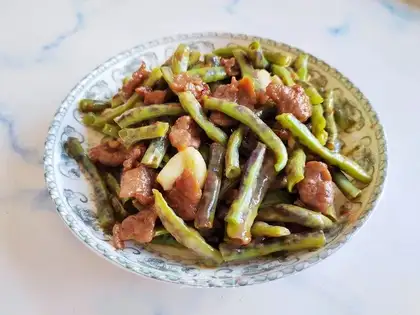
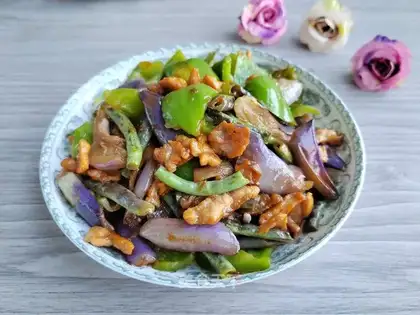
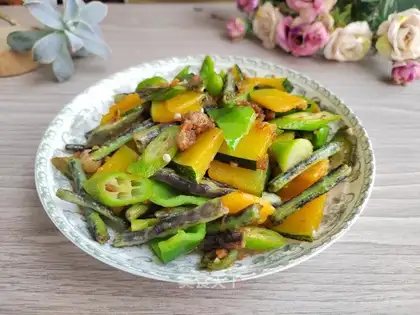
- Stir-Fries: In Asian cuisines, yardlong beans are commonly stir-fried with garlic, ginger, and chili for a quick, flavorful side dish. They pair well with proteins like tofu, shrimp, or chicken.
- Curries and Stews: In Indian and Southeast Asian cooking, yardlong beans are added to coconut milk-based curries or lentil stews, where they absorb spices and add a satisfying crunch.
- Salads: Blanching yardlong beans for 2–3 minutes softens them slightly while retaining their bright green color. They can then be tossed in salads with cherry tomatoes, onions, and a lemon vinaigrette for a refreshing, nutrient-packed meal.
- Pickles: In some cultures, yardlong beans are pickled with vinegar, spices, and salt to create a tangy, long-lasting condiment that complements rice and grilled dishes.
- Steamed or Boiled: A simple steaming or boiling session (5–7 minutes) preserves their nutrients and makes them a healthy accompaniment to grilled fish or lean meat.
When selecting yardlong beans, look for firm, crisp pods with vibrant green color and no blemishes. Avoid beans that are limp, yellowed, or overly mature, as these may be tough and fibrous. Store them in a plastic bag in the refrigerator for up to 5 days to maintain freshness.
Precautions and Potential Side Effects
While yardlong beans are highly nutritious, they must be consumed with caution to avoid adverse effects:
1. Lectins and Anti-Nutrients
Like all legumes, yardlong beans contain lectins and phytic acid, compounds that can interfere with nutrient absorption and cause digestive distress if consumed raw or undercooked. Lectins, in particular, may bind to the intestinal lining, leading to bloating, nausea, or diarrhea. To mitigate this, always cook yardlong beans thoroughly—boiling, steaming, or stir-frying for at least 10 minutes destroys most lectins and reduces anti-nutrient levels.
2. Oxalates and Kidney Stones
Yardlong beans contain oxalates, natural compounds that can crystallize in the kidneys and form stones in susceptible individuals. People with a history of kidney stones or oxalate sensitivity should limit their intake and consult a healthcare provider. Cooking yardlong beans can reduce oxalate levels by 10–15%, making them safer for those at risk.
3. Blood Sugar Interactions
While yardlong beans help regulate blood sugar, individuals taking diabetes medications (e.g., metformin or insulin) should monitor their levels closely when increasing intake. The fiber and protein in the beans may enhance the effects of these medications, leading to hypoglycemia (low blood sugar) if doses are not adjusted.
4. Allergic Reactions
Though rare, some people may be allergic to yardlong beans, especially if they have a known sensitivity to other legumes (e.g., peanuts or soybeans). Symptoms can range from mild (hives, itching) to severe (anaphylaxis). Those with a legume allergy should avoid yardlong beans or consult an allergist before trying them.
Conclusion
Yardlong beans are a nutritional and culinary gem, offering a wealth of vitamins, minerals, fiber, and antioxidants that support digestive, cardiovascular, immune, and bone health. Their versatility in the kitchen—from stir-fries to salads—makes them an easy and delicious addition to any diet. However, proper preparation is key to unlocking their benefits while minimizing risks: always cook them thoroughly to destroy anti-nutrients, and moderate intake if you have kidney issues or legume allergies.
In a world where processed foods often dominate, yardlong beans stand out as a wholesome, sustainable, and accessible superfood. By incorporating these vibrant pods into your meals, you’re not just enjoying a tasty dish—you’re investing in long-term health and well-being. Whether you’re a health enthusiast, a home cook, or simply someone looking to diversify your diet, yardlong beans are a worthy addition to your plate.