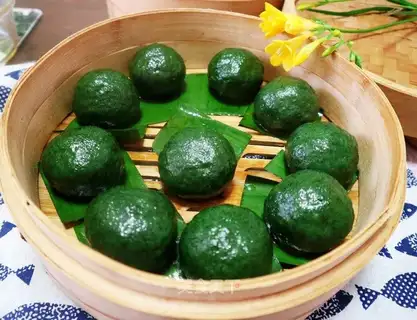
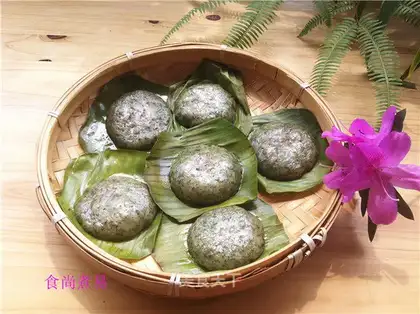
Banana leaves, large, flexible, and vibrant green, have been an integral part of culinary and cultural traditions across tropical and subtropical regions for centuries. While often overshadowed by the fruit itself, these leaves are more than just natural "plates" or wrapping materials. They possess a unique nutritional profile, offer surprising health benefits, and have been used in traditional medicine for ages. However, like any natural product, they come with certain considerations. This article explores the nutritional value of banana leaves, their diverse health benefits, and important precautions to keep in mind when using them.
Nutritional Value of Banana Leaves
Though not typically consumed as a primary food (unlike the fruit), banana leaves contain a range of bioactive compounds and nutrients that contribute to their health-promoting properties. Unlike edible leaves such as spinach or kale, banana leaves are not a significant source of macronutrients like carbohydrates, proteins, or fats. Instead, their value lies in their phytochemical content, vitamins, and minerals.
One of the most notable components of banana leaves is polyphenols, particularly flavonoids such as epicatechin and gallocatechin. These compounds are powerful antioxidants that help neutralize harmful free radicals in the body, reducing oxidative stress. Studies suggest that polyphenols in banana leaves may have higher bioavailability than those in some fruits, making them effective in combating chronic diseases linked to oxidative damage.
Banana leaves also contain vitamin A (in the form of beta-carotene), which is essential for eye health, immune function, and skin integrity. While the concentration is lower than in carrot or sweet potato leaves, even small amounts can contribute to daily intake. Additionally, they provide vitamin C, a well-known antioxidant that supports collagen production and iron absorption.
Mineral content is another highlight. Banana leaves are rich in potassium, a mineral critical for regulating blood pressure, fluid balance, and nerve function. A 100-gram serving of banana leaf powder contains approximately 500–600 mg of potassium, though actual intake varies based on consumption methods. They also contain magnesium, which supports muscle and nerve function, and calcium, albeit in smaller amounts.
Lesser-known but significant is the presence of tannins and alkaloids. Tannins, while sometimes considered antinutrients in large quantities, have antimicrobial properties and can aid in digestion when consumed in moderation. Alkaloids such as serotonin precursors are present in trace amounts and may contribute to mood regulation, though more research is needed in this area.
Health Benefits of Banana Leaves
The nutritional composition of banana translates into a range of health benefits, supported by both traditional use and modern scientific research.
1. Antioxidant and Anti-Inflammatory Properties
The high polyphenol content in banana leaves makes them potent antioxidants. Oxidative stress, caused by an imbalance between free radicals and antioxidants, is a key driver of chronic diseases such as heart disease, diabetes, and cancer. Flavonoids in banana leaves scavenge free radicals and inhibit the activity of pro-inflammatory enzymes like COX-2, reducing inflammation. For example, a 2018 study published in the Journal of Agricultural and Food Chemistry found that banana leaf extract reduced inflammation in human cells by up to 40%, making it a promising natural anti-inflammatory agent.
2. Digestive Health Support
In traditional medicine, banana leaves have been used to treat digestive disorders like indigestion, ulcers, and diarrhea. The tannins in the leaves help reduce inflammation in the gut lining and inhibit the growth of harmful bacteria such as E. coli and Salmonella. Additionally, banana leaves contain dietary fiber (when consumed in powdered or cooked form), which promotes healthy bowel movements and supports gut microbiota. A 2020 study in Food Science and Nutrition noted that banana leaf fiber increased the population of beneficial Lactobacillus bacteria in animal models, improving gut health.
3. Blood Sugar Regulation
Banana leaves may help manage blood sugar levels, making them beneficial for individuals with diabetes or prediabetes. Research suggests that polyphenols in the leaves enhance insulin sensitivity by inhibiting enzymes like alpha-amylase and alpha-glucosidase, which break down carbohydrates into sugars. Slowing carbohydrate absorption prevents rapid spikes in blood glucose. A clinical trial published in Phytotherapy Research in 2019 found that diabetic patients who consumed banana leaf tea daily experienced a 15–20% reduction in fasting blood sugar levels over 12 weeks.
4. Wound Healing and Skin Health
The antimicrobial and anti-inflammatory properties of banana leaves make them effective for wound healing. In many cultures, crushed banana leaves are applied to cuts, burns, or insect bites to prevent infection and reduce swelling. The vitamin A and C content further supports skin repair by promoting collagen synthesis and cell regeneration. A 2017 study in Journal of Ethnopharmacology confirmed that banana leaf extract accelerated wound closure in rats by increasing fibroblast activity (cells responsible for tissue repair).
5. Cardiovascular Health
The potassium in banana leaves plays a key role in maintaining heart health. Potassium counteracts the effects of sodium, reducing blood pressure and lowering the risk of hypertension. Additionally, the antioxidant flavonoids prevent the oxidation of LDL ("bad") cholesterol, a major contributor to atherosclerosis. A 2021 meta-analysis in Nutrients linked regular consumption of plant polyphenols (including those from banana leaves) to a 12% lower risk of heart disease.
6. Detoxification Support
Banana leaves have been used in traditional detoxification rituals due to their diuretic properties. They help flush out toxins from the body by increasing urine production, reducing the burden on the kidneys. The tannins also bind to heavy metals like lead and mercury, facilitating their excretion. While human studies are limited, animal research suggests banana leaf extract can reduce liver toxicity caused by chemicals like paracetamol.
How to Consume Banana Leaves
While banana leaves are not typically eaten raw (due to their tough texture and high tannin content), they can be consumed in several ways:
1. Banana Leaf Tea: The most common method. Fresh or dried leaves are steeped in hot water to make a tea, which can be flavored with ginger or honey.
2. Powdered Form: Dried leaves are ground into a powder and added to smoothies, soups, or curries.
3. Cooked as a Vegetable: In some regions, young banana leaves are cooked like spinach or added to stews.
4. Infused Water: Leaves are soaked in water to infuse their nutrients, which is then consumed as a refreshing drink.
Precautions and Potential Side Effects
While banana leaves are generally safe for most people, certain precautions should be taken:
1. Pesticide Residues
Conventionally grown banana leaves may be treated with pesticides to protect the fruit. Always choose organic or pesticide-free leaves, or wash them thoroughly with warm water and a mild vegetable wash before use.
2. Allergic Reactions
Though rare, some individuals may be allergic to banana leaves, especially those with a latex allergy (due to cross-reactivity). Symptoms include itching, swelling, or difficulty breathing. Discontinue use if any adverse reactions occur.
3. Tannin Content
Tannins, while beneficial in moderation, can inhibit the absorption of iron and other minerals if consumed in large quantities. Individuals with iron deficiency anemia should limit intake and avoid consuming banana leaf tea with iron-rich meals.
4. Interaction with Medications
Banana leaf extract may lower blood sugar levels, so individuals taking diabetes medications (e.g., metformin or insulin) should monitor their blood sugar closely to avoid hypoglycemia. It may also interact with blood pressure medications due to its potassium content.
5. Not a Substitute for Medical Treatment
While banana leaves offer health benefits, they are not a replacement for prescription medications. Individuals with chronic conditions should consult a healthcare provider before incorporating banana leaf products into their diet.
Conclusion
Banana leaves are a hidden gem of the plant world, offering a unique blend of antioxidants, vitamins, and minerals that support overall health. From reducing inflammation and regulating blood sugar to aiding digestion and wound healing, their benefits are backed by both traditional wisdom and modern science. However, it is important to use them responsibly, ensuring they are free from pesticides, consumed in moderation, and used alongside, not instead of, medical treatments. As interest in natural and sustainable foods grows, banana leaves are gaining recognition not just as a cultural artifact, but as a functional food with immense potential. Whether enjoyed as tea, powder, or a cooked vegetable, these humble leaves are a testament to the idea that nature’s most valuable resources are often found in the most unexpected places.