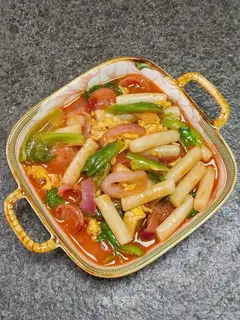
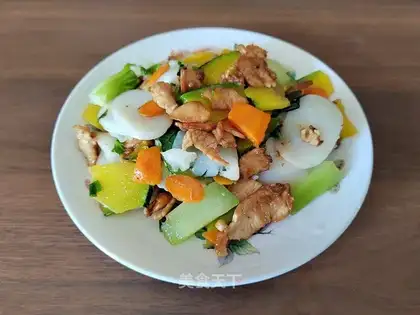
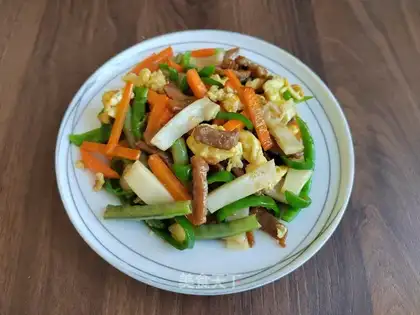
Rice cake, known as Nian Gao (年糕) in Chinese, is a traditional staple food with a history spanning over 2,000 years. Made from glutinous rice, it holds cultural significance in East Asian celebrations, symbolizing prosperity and progress due to its name, which sounds like "higher year" in Chinese. Beyond its cultural role, rice cake is a versatile and nutrient-rich food offering various health benefits. However, like all foods, it must be consumed mindfully to avoid potential risks. This article explores the nutritional value of rice cake, its health benefits, and important precautions for consumption.
Nutritional Value of Rice Cake
Rice cake is primarily made from glutinous rice (also called sticky rice), which differs from regular rice in its high amylopectin content—a type of starch that gives it a chewy, sticky texture. The nutritional profile of rice cake varies slightly depending on whether it is plain, brown, or flavored (e.g., with red beans, dates, or osmanthus), but its core components remain consistent.
1. Carbohydrates: Primary Energy Source
As a rice-based product, rice cake is rich in carbohydrates, accounting for approximately 80–85% of its dry weight. These carbohydrates are mainly in the form of amylopectin, a complex starch with a high glycemic index (GI). While high-GI foods can cause rapid spikes in blood sugar, the slow digestion of amylopectin also provides sustained energy, making rice cake a popular choice for athletes or individuals needing long-lasting fuel.
2. Protein: Moderate but Incomplete
Rice cake contains about 6–8% protein, which is lower than legumes or meat but comparable to other grain-based foods. However, like most plant proteins, it is "incomplete," meaning it lacks sufficient essential amino acids (e.g., lysine). To balance this, pairing rice cake with protein-rich foods (e.g., eggs, tofu, or lean meat) is recommended for a complete amino acid profile.
3. Low in Fat and Fiber
Plain rice cake is very low in fat (less than 1%), making it a heart-healthy option when consumed without added fats like butter or oil. However, it is also low in dietary fiber, especially if made from refined white glutinous rice. Fiber is crucial for digestive health, blood sugar regulation, and satiety. Opting for brown rice cake (made from whole-grain glutinous rice) or adding fiber-rich toppings (e.g., fruits, nuts, or vegetables) can enhance its fiber content.
4. Micronutrients: Vitamins and Minerals
While rice cake is not a powerhouse of micronutrients, it contains small amounts of essential vitamins and minerals. These include:
- B vitamins: Thiamine (B1) and riboflavin (B2), which support energy metabolism.
- Minerals: Iron, magnesium, and zinc. Iron is vital for oxygen transport, magnesium aids muscle and nerve function, and zinc boosts immunity. Notably, brown rice cake retains more of these nutrients than white rice cake, as the bran and germ (removed in refining) are rich in minerals.
5. Additives in Flavored Rice Cake
Commercially flavored rice cakes often contain added sugars, syrups, or preservatives to enhance taste and shelf life. For example, red bean or sesame-filled rice cakes may have 10–15 grams of added sugar per serving, which can contribute to excessive calorie intake and blood sugar spikes. Choosing plain or minimally processed rice cakes is advisable for health-conscious consumers.
Health Benefits of Rice Cake
When consumed as part of a balanced diet, rice cake offers several health benefits, ranging from energy provision to digestive support.
1. Sustained Energy Release
The high amylopectin content in rice cake ensures slow digestion and gradual absorption of glucose into the bloodstream. This prevents the rapid energy crashes associated with simple sugars (e.g., candy or soda) and makes rice cake an ideal pre- or post-workout snack. For example, athletes often pair rice cake with peanut butter to replenish glycogen stores and support muscle recovery.
2. Easy Digestion for Sensitive Stomachs
Rice cake is naturally gluten-free and low in fiber, making it easy to digest for individuals with gluten sensitivities, irritable bowel syndrome (IBS), or temporary digestive issues (e.g., after illness). Its soft, chewy texture also requires minimal chewing, reducing strain on the digestive system. In traditional Chinese medicine, rice cake is often recommended for convalescents or elderly people with weak digestion.
3. Supports Weight Management (in Moderation)
Plain rice cake is low in calories (about 100–150 calories per 100 grams) and fat, making it a suitable option for weight management when consumed in controlled portions. Its high carbohydrate content promotes satiety, reducing the likelihood of overeating. However, flavored rice cakes with added sugars or fats can be calorie-dense, so portion control is key.
4. Cultural and Mental Well-being
Beyond physical health, rice cake holds cultural significance that can boost mental well-being. In China, eating Nian Gao during the Lunar New Year is believed to bring good luck and family unity, fostering positive emotions. For many, sharing rice cake with loved ones strengthens social bonds, which is linked to lower stress and improved mental health.
5. Versatility for Dietary Preferences
Rice cake is highly adaptable to various dietary needs:
- Vegan: Plain rice cake is naturally vegan, making it a staple for plant-based diets.
- Gluten-free: As a rice product, it is safe for individuals with celiac disease or gluten intolerance.
- Customizable: It can be paired with sweet (e.g., honey, fruit) or savory (e.g., vegetables, lean protein) toppings to suit different taste preferences and nutritional goals.
Precautions and Potential Risks
While rice cake offers numerous benefits, improper consumption or overconsumption can lead to health issues. Below are key precautions to keep in mind.
1. Blood Sugar Spikes in Diabetics
Due to its high glycemic index, rice cake can cause rapid increases in blood sugar levels, especially when consumed on an empty stomach or with sugary toppings. Individuals with diabetes or insulin resistance should opt for brown rice cake (which has a lower GI) and pair it with protein, healthy fats, or fiber to slow glucose absorption. For example, a serving of brown rice cake with avocado and boiled eggs is a blood sugar-friendly option.
2. Risk of Overconsumption
Rice cake’s soft texture and mild taste can lead to overeating, particularly when flavored with sweet or savory additions. A single serving (typically 50–100 grams) is sufficient to reap its benefits without exceeding daily calorie needs. Overconsumption may result in weight gain, as excess carbohydrates are stored as fat in the body.
3. Additives in Commercial Products
Many store-bought rice cakes contain added sugars, artificial flavors, or preservatives to enhance taste and prolong shelf life. For instance, some brands use high-fructose corn syrup or hydrogenated oils, which are linked to obesity, heart disease, and inflammation. Reading ingredient labels and choosing products with minimal additives is crucial. Homemade rice cake, made from whole-grain glutinous rice, is a healthier alternative.
4. Choking Hazard for Young Children
Rice cake’s sticky texture poses a choking risk for young children (under 5 years old) or individuals with swallowing difficulties. To mitigate this, parents should cut rice cake into small pieces and supervise children while eating. Alternatively, steaming or boiling rice cake can soften its texture, reducing choking risks.
5. Nutrient Imbalance if Relied Upon
While rice cake is a nutritious food, relying too heavily on it can lead to nutrient imbalances due to its low fiber, protein, and micronutrient content. It should be part of a diverse diet that includes fruits, vegetables, whole grains, lean proteins, and healthy fats. For example, a meal of rice cake with stir-fried vegetables, tofu, and a small portion of fish ensures a balanced intake of nutrients.
Conclusion
Rice cake is a culturally significant and nutrient-dense food that offers sustained energy, easy digestibility, and versatility for various dietary preferences. Its high carbohydrate content makes it an excellent energy source, while its low fat and gluten-free nature benefits those with specific health needs. However, moderation is key—individuals with diabetes should monitor blood sugar levels, and all consumers should avoid overreliance on processed varieties with additives. By incorporating rice cake into a balanced diet and pairing it with nutrient-rich foods, one can enjoy its benefits while minimizing risks. Whether as a festive treat or a daily staple, rice cake exemplifies how traditional foods can blend cultural heritage with modern health consciousness.