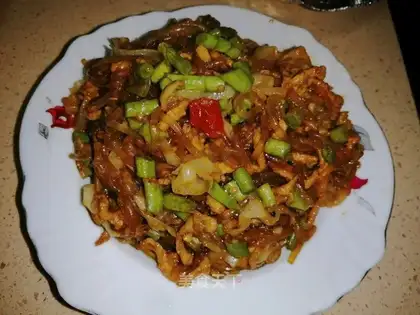
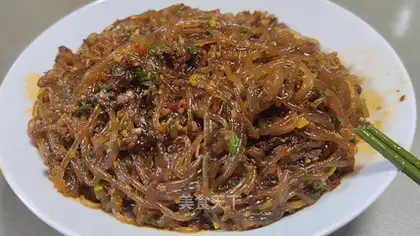
Sweet potato vermicelli, a traditional and beloved ingredient in Asian cuisine, has gained global recognition for its nutritional value, unique texture, and versatility. Made from sweet potato starch, these translucent, chewy noodles are not only a staple in dishes like hot pot, stir-fries, and desserts but also a powerhouse of essential nutrients. However, like all foods, it must be consumed mindfully to maximize benefits and avoid potential risks. This article explores the nutritional profile, health benefits, and precautions associated with sweet potato vermicelli, offering a comprehensive guide for incorporating this ingredient into a balanced diet.
Nutritional Value of Sweet Potato Vermicelli
Sweet potato vermicelli is primarily composed of starch derived from sweet potatoes, but its nutritional profile extends far beyond carbohydrates. A 100-gram serving of dry sweet potato vermicelli typically contains:
- Carbohydrates: ~85 grams, providing sustained energy due to its complex carbohydrate structure. Unlike refined noodles, sweet potato vermicelli retains more fiber, slowing digestion and preventing blood sugar spikes.
- Dietary Fiber: ~2–3 grams, which supports digestive health by promoting regular bowel movements and feeding beneficial gut bacteria. The fiber content also enhances satiety, aiding in weight management.
- Protein: ~1–2 grams, a modest amount but complemented by the presence of essential amino acids like lysine and threonine, which are vital for muscle repair and immune function.
- Vitamins and Minerals: While not as rich as fresh sweet potatoes, vermicelli retains trace amounts of vitamin A (as beta-carotene), vitamin C, potassium, and magnesium. Vitamin A supports vision and immune health, potassium regulates blood pressure, and magnesium aids in muscle and nerve function.
- Fat and Cholesterol: Negligible amounts, making it a heart-healthy choice for low-fat diets.
- Gluten-Free: Naturally free of gluten, sweet potato vermicelli is an excellent alternative for individuals with celiac disease or gluten sensitivity.
The nutritional value of sweet potato vermicelli is further enhanced when paired with nutrient-dense ingredients like vegetables, lean proteins, and healthy fats, creating a well-rounded meal.
Health Benefits of Sweet Potato Vermicelli
Regular consumption of sweet potato vermicelli, as part of a balanced diet, offers several health benefits:
1. Supports Digestive Health
The high fiber content in sweet potato vermicelli promotes a healthy digestive system. Fiber adds bulk to stool, preventing constipation and reducing the risk of hemorrhoids. Additionally, it acts as a prebiotic, nourishing beneficial gut bacteria such as Bifidobacterium and Lactobacillus, which play a crucial role in immune function and inflammation reduction.
2. Regulates Blood Sugar Levels
Unlike refined wheat noodles, sweet potato vermicelli has a low glycemic index (GI) of ~50–60, meaning it causes a slower, more gradual rise in blood sugar. This is attributed to its fiber and resistant starch content, which delays carbohydrate absorption. For individuals with diabetes or insulin resistance, substituting refined grains with sweet potato vermicelli can help improve glycemic control.
3. Promotes Heart Health
Sweet potato vermicelli is cholesterol-free and low in fat, making it a heart-healthy choice. Its potassium content helps counteract the effects of sodium, regulating blood pressure and reducing the risk of hypertension. Furthermore, the fiber in vermicelli binds to excess cholesterol in the digestive system, preventing its absorption into the bloodstream and lowering LDL (“bad”) cholesterol levels.
4. Aids in Weight Management
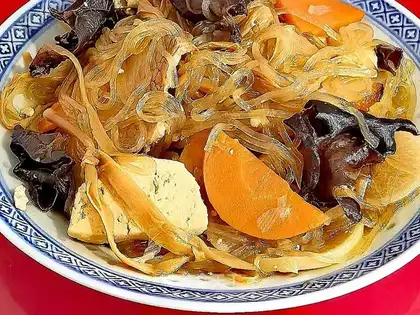
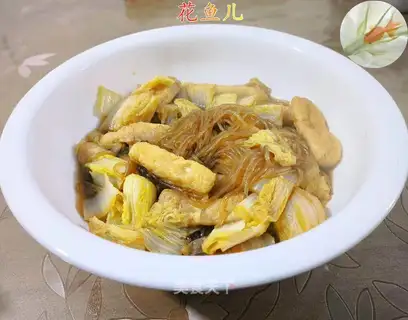
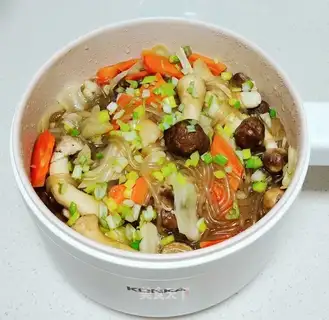
The combination of fiber and water in sweet potato vermicelli increases satiety, reducing overall calorie intake. When consumed as part of a meal rich in vegetables and protein, it helps curb overeating and supports long-term weight management. For example, a bowl of vermicelli with stir-fried tofu, mushrooms, and bell peppers provides a filling, low-calorie option that satisfies hunger without excess calories.
5. Boosts Immune Function
While sweet potato vermicelli is not as rich in vitamin C as fresh sweet potatoes, it still contributes to daily intake, which is essential for immune health. Vitamin stimulates the production of white blood cells and acts as an antioxidant, protecting cells from damage by free radicals. Additionally, the presence of beta-carotene (a precursor to vitamin A) further enhances immune function and supports skin health.
6. Provides Sustained Energy
As a complex carbohydrate, sweet potato vermicelli releases energy slowly, making it an ideal choice for athletes or individuals needing long-lasting fuel. Unlike simple carbohydrates (e.g., white bread), vermicelli prevents energy crashes and supports endurance during physical activity.
Precautions and Potential Risks
Despite its benefits, sweet potato vermicelli should be consumed in moderation, and certain precautions should be taken to avoid adverse effects:
1. High in Carbohydrates
While carbohydrates are essential for energy, excessive intake of sweet potato vermicelli can lead to weight gain, especially if paired with high-calorie sauces or toppings. Individuals on low-carb diets (e.g., keto) should limit consumption or opt for lower-carb alternatives like shirataki noodles.
2. Sodium Content in Packaged Products
Many commercially packaged sweet potato vermicelli products are high in sodium due to added preservatives and flavorings. Excessive sodium intake is linked to high blood pressure and cardiovascular disease. To mitigate this, choose low-sodium brands or rinse vermicelli thoroughly before cooking to remove excess salt.
3. Risk of Heavy Metal Contamination
Sweet potatoes are known to absorb heavy metals (e.g., lead, cadmium) from soil, especially in regions with contaminated agriculture. While processing reduces metal levels, long-term consumption of vermicelli from unverified sources may pose health risks. Opt for products from reputable brands that adhere to safety standards.
4. Digestive Discomfort for Some Individuals
The high fiber content in sweet potato vermicelli may cause bloating, gas, or diarrhea in people with sensitive digestive systems or irritable bowel syndrome (IBS). To avoid this, start with small portions and ensure vermicelli is cooked thoroughly to improve digestibility.
5. Not Suitable for Low-FODMAP Diets
Sweet potato vermicelli contains resistant starch and oligosaccharides, which are FODMAPs (fermentable oligosaccharides, disaccharides, monosaccharides, and polyols). Individuals following a low-FODMAP diet for IBS should avoid or limit vermicelli consumption.
6. Allergic Reactions
Although rare, some people may be allergic to sweet potato starch, experiencing symptoms like itching, swelling, or digestive upset. If allergic reactions occur, discontinue use and consult a healthcare provider.
Culinary Uses and Tips for Healthy Preparation
Sweet potato vermicelli’s versatility makes it a staple in various cuisines. To maximize its nutritional benefits, consider these preparation tips:
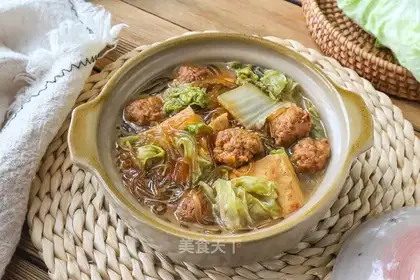
- Pair with Nutrient-Rich Ingredients: Combine vermicelli with vegetables (e.g., broccoli, carrots, spinach), lean proteins (e.g., chicken, tofu, shrimp), and healthy fats (e.g., avocado, olive oil) to create a balanced meal.
- Use Low-Sodium Broths: For noodle soups or hot pots, opt for homemade or low-sodium store-bought broths to reduce sodium intake.
- Limit High-Calorie Sauces: Avoid creamy or sugary sauces (e.g., peanut sauce with added sugar). Instead, use light dressings made from soy sauce, vinegar, garlic, and ginger.
- Cook Properly: Boil vermicelli until al dente (overcooking may increase its glycemic index). Rinse with cold water after cooking to reduce stickiness and remove excess starch.
Conclusion
Sweet potato vermicelli is a nutrient-dense, gluten-free ingredient that offers numerous health benefits, from improved digestion to better blood sugar control. However, mindful consumption is key to avoiding potential risks such as excessive carbohydrate intake or sodium exposure. By pairing it with wholesome ingredients and preparing it healthily, sweet potato vermicelli can be a valuable addition to a balanced diet. Whether in a comforting soup, a vibrant stir-fry, or a refreshing salad, this versatile noodle continues to delight taste buds while supporting overall well-being. As with any food, moderation and quality are essential to unlocking its full potential.