Introduction
In the vast landscape of traditional Chinese ingredients, few are as intriguing as Tongcao (通草), known scientifically as Tetrapanax papyriferus (Hook.) K. Koch. Revered for over two millennia in East Asian medicine and cuisine, this pale, fibrous herb—derived from the pith of the rice paper plant—has been a staple in remedies, teas, and even traditional desserts. Despite its understated appearance, Tongcao boasts a rich profile of bioactive compounds, offering a unique blend of nutritional and therapeutic properties. Today, as global interest in functional foods grows, Tongcao is gaining recognition beyond its cultural roots. This article explores its nutritional composition, health benefits, and critical precautions to ensure safe and effective use.
Nutritional Value of Tongcao
Tongcao’s nutritional profile is distinct from common foods, as it is valued less for macronutrients like proteins or fats and more for its phytochemicals and functional fibers. Its primary components include:
1. Polysaccharides
The most abundant active constituents in Tongcao are water-soluble polysaccharides, which account for up to 30% of its dry weight. These polysaccharides, including heteropolysaccharides and pectin-like substances, act as prebiotics, nourishing beneficial gut bacteria. They also contribute to Tongcao’s renowned diuretic and anti-inflammatory effects.
2. Saponins
Tongcao contains triterpenoid saponins, such as tetrapacosides, which exhibit emulsifying properties. These compounds help stabilize bodily fluids and support metabolic processes. Saponins are also linked to antioxidant activity, neutralizing free radicals that cause cellular damage.
3. Dietary Fiber
As a rich source of insoluble fiber, Tongcao promotes digestive health by adding bulk to stool and facilitating bowel movements. Its fiber content also aids in regulating blood sugar levels by slowing carbohydrate absorption, making it beneficial for metabolic health.
4. Minerals and Trace Elements
While not a primary source of minerals, Tongcao contains small amounts of potassium, calcium, and magnesium. Potassium, in particular, supports electrolyte balance and helps regulate blood pressure, complementing its diuretic effects.
5. Low Caloric Density
With minimal calories (approximately 10–15 kcal per 100 grams), Tongcao is an ideal ingredient for weight management diets. Its high water content (over 90%) further enhances its role in promoting satiety without adding caloric burden.
Health Benefits and Therapeutic Uses
Tongcao’s nutritional composition underpins its wide range of health benefits, which have been documented in traditional Chinese medicine (TCM) and increasingly validated by modern research.
1. Promotes Urinary Health and Acts as a Diuretic
One of Tongcao’s most celebrated uses is its diuretic effect. In TCM, it is classified as a "water-expelling" herb, used to relieve edema (fluid retention) and support kidney function. Studies show that Tongcao polysaccharides increase urine output by enhancing sodium and excretion in the kidneys, making it useful for conditions like hypertension, premenstrual bloating, and mild kidney dysfunction. Unlike synthetic diuretics, Tongcao’s natural action reduces the risk of electrolyte imbalance when used appropriately.
2. Supports Lactation in Postpartum Women
Tongcao has been a traditional remedy for enhancing breast milk production for centuries. Modern research suggests its saponins and polysaccharides stimulate prolactin secretion, a hormone critical for lactation. A 2018 clinical trial published in the Journal of Ethnopharmacology found that postpartum women consuming Tongcao tea experienced a 20–30% increase in milk volume compared to a control group, with no reported side effects. This makes it a popular natural alternative to pharmaceutical galactagogues.
3. Anti-Inflammatory and Immune-Modulating Effects
Chronic inflammation is a root cause of many diseases, from arthritis to diabetes. Tongcao’s polysaccharides and saponins exhibit potent anti-inflammatory activity by inhibiting pro-inflammatory cytokines like TNF-α and IL-6. Additionally, these compounds enhance immune function by activating macrophages and increasing antibody production, helping the body resist infections. Research in Phytotherapy Research (2020) confirmed Tongcao’s ability to reduce inflammation in animal models of colitis, highlighting its potential for managing inflammatory bowel diseases.
4. Improves Skin Health and Hydration
In TCM, Tongcao is believed to "clear heat" and "moisten the skin," making it a staple in beauty remedies. Modern science attributes these benefits to its high polysaccharide content, which retains moisture and promotes collagen synthesis. When consumed or applied topically (in masks or lotions), Tongcao enhances skin elasticity and reduces dryness. Its antioxidant properties also protect against UV-induced damage, slowing signs of aging like wrinkles and hyperpigmentation.
5. Aids Digestion and Relieves Constipation
Thanks to its insoluble fiber, Tongcao alleviates constipation by stimulating intestinal peristalsis. Unlike harsh laxatives, it works gently to normalize bowel movements, making it suitable for long-term use. T practitioners also recommend Tongcao for indigestion, as its fiber content balances gut microbiota and reduces bloating.
6. Potential Anti-Cancer Properties
Emerging studies suggest Tongcao may play a role in cancer prevention. Its saponins have been shown to induce apoptosis (programmed cell death) in cancer cells, particularly in breast and liver cancer models. While human trials are limited, the International Journal of Oncology (2019) reported Tongcao extract inhibited tumor growth by suppressing angiogenesis (the formation of new blood vessels that feed tumors). These findings warrant further investigation but hint at Tongcao’s potential as an adjunctive therapy.
Precautions and Potential Side Effects
While Tongcao offers numerous health benefits, improper use can lead to adverse effects. Understanding its contraindications and dosage guidelines is crucial for safety.
1. Pregnancy and Breastfeeding
Tongcao’s lactogenic effects make it popular among nursing mothers, but pregnant women should avoid it unless supervised by a healthcare provider. In TCM, Tongcao is considered "cooling" and may stimulate uterine contractions in high doses, posing a risk of miscarriage.
2. Kidney Dysfunction
Due to its diuretic properties, Tongcao may increase the burden on damaged kidneys. Individuals with chronic kidney disease (CKD) or those on dialysis should consult a doctor before use, as excessive fluid loss can exacerbate electrolyte imbalances.
3. Drug Interactions
Tongcao may interact with diuretics, blood pressure medications, and lithium (a mood stabilizer). Combining it with these drugs can enhance diuretic effects, leading to dehydration or reduced lithium efficacy. Users on prescription medications should seek medical advice.
4. Allergic Reactions
Though rare, allergic reactions to Tongcao may occur, manifesting as skin rashes, itching, or gastrointestinal discomfort. Those with allergies to plants in the Araliaceae family (e.g., ginseng) should exercise caution.
5. Dosage and Preparation
The recommended daily dosage of Tongcao is 3–10 grams for dried herb or 5–15 grams for fresh. Exceeding this may cause excessive urination, diarrhea, or electrolyte depletion. In TCM, Tongcao is typically decocted in water for 15–20 minutes to extract its active compounds. It can also be consumed as tea, soup, or added to desserts.
6. Contraindications for Specific Conditions
Tongcao is not suitable for individuals with "cold constitution" in TCM (characterized by cold limbs, poor circulation, or loose stools), as its "cooling" nature may worsen symptoms. Those with diarrhea or dehydration should also avoid it until their condition stabilizes.
Culinary and Modern Applications
Beyond its medicinal uses, Tongcao is a versatile ingredient in modern cuisine. In East Asian kitchens, it is used in:
- Teas and Infusions: Dried Tongcao slices are steeped in hot water to make a light, slightly sweet tea, often combined with goji berries or red dates for added flavor.
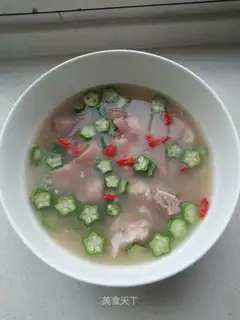
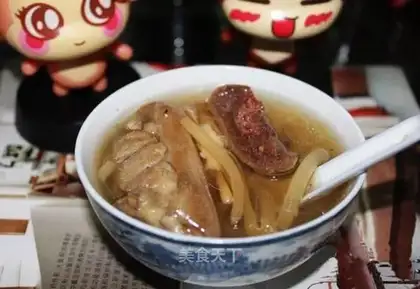
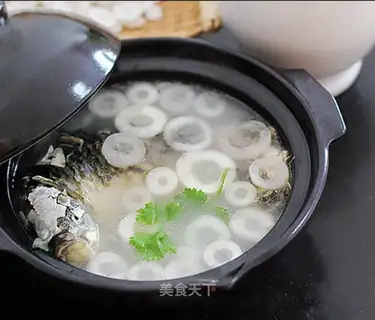
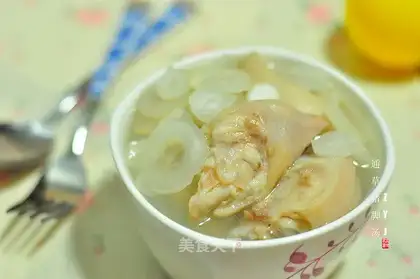
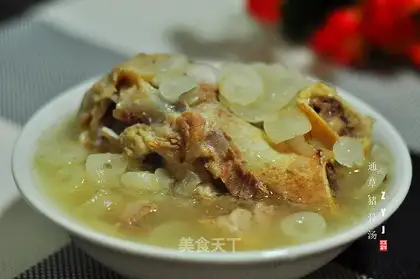
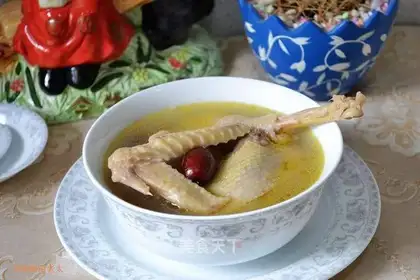
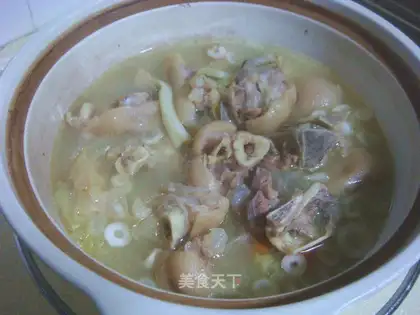
- Soups and Broths: Tongcao is added to soups (e.g., chicken or pork bone broth) to enhance nutritional value and impart a subtle, earthy taste.
- Desserts: In Taiwan and southern China, Tongcao is used in sweet soups (tang shui) with ingredients like taro, sweet potatoes, or beans, providing a gelatinous texture and cooling effect.
Globally, Tongcao is gaining popularity in health foods, appearing in smoothie powders, herbal supplements, and even plant-based dairy alternatives for its thickening and prebiotic properties.
Conclusion
Tongcao, a humble yet powerful herb, exemplifies the synergy between tradition and modern nutrition. Its polysaccharides, saponins, and fiber offer a range of health benefits, from supporting lactation and reducing inflammation to aiding digestion and skin health. However, its use requires caution, particularly for pregnant women, those with kidney issues, or individuals on medications. When consumed responsibly, Tongcao can be a valuable addition to a balanced diet, bridging the gap between culinary tradition and contemporary wellness. As research continues to uncover its potential, Tongcao stands as a testament to the enduring wisdom of natural remedies in promoting holistic health.