Lotus seeds, derived from the Nelumbo nucifera plant, have been a staple in traditional Asian cuisine and medicine for over 7,000 years. Revered for their delicate flavor, versatility, and remarkable nutritional profile, these small, oval-shaped seeds are often called "the jewels of the pond." Whether used in sweet soups, savory dishes, or consumed as a snack, lotus seeds offer a wealth of health benefits. However, like any ingredient, they must be enjoyed in moderation and with awareness of potential precautions. This article explores the nutritional value of lotus seeds, their diverse health benefits, and important considerations for safe consumption.
I. Nutritional Value of Lotus Seeds
Lotus seeds are a nutritional powerhouse, packed with essential vitamins, minerals, proteins, and antioxidants. Their composition makes them a valuable addition to a balanced diet, supporting overall health and well-being.
1. Rich in Protein and Essential Amino Acids
Lotus seeds are an excellent plant-based source of protein, containing approximately 18% protein by dry weight. They all nine essential amino acids, including lysine, methionine, and tryptophan, which the body cannot produce independently. This makes them particularly beneficial for vegetarians, vegans, and individuals looking to increase their protein intake without relying on animal products. The high protein content also aids in muscle repair, immune function, and enzyme production.
2. Abundant in Micronutrients
These seeds are loaded with vital minerals that support various bodily functions:
- Magnesium: Crucial for over 300 biochemical reactions, including muscle and nerve function, blood sugar regulation, and bone health. A 100-gram serving of lotus seeds provides approximately 300 mg of magnesium, meeting nearly 75% of the daily recommended intake.
- Potassium: Helps maintain fluid balance, regulate blood pressure, and support heart health.
- Iron: Essential for oxygen transport in the blood and preventing anemia.
- Calcium: Contributes to bone and teeth strength.
- Phosphorus: Works alongside calcium to build and maintain healthy bones and teeth.
Lotus seeds also contain B vitamins (such as thiamine, riboflavin, and niacin), which play key roles in energy metabolism and nervous system health.
3. High in Fiber and Low in Fat
With about 10 grams of fiber per 100-gram serving, lotus seeds promote digestive health by preventing constipation, supporting gut microbiota, and regulating blood sugar levels. They are also low in fat (approximately 2-3% by weight), with most of their fat content being heart-healthy unsaturated fats, including oleic and linoleic acids.
4. Packed with Antioxidants
Lotus seeds are rich in polyphenols, flavonoids, and alkaloids, such as liensinine, isoliensinine, and neferine. These compounds possess potent antioxidant properties, neutralizing harmful free radicals and reducing oxidative stress. Oxidative stress is linked to chronic diseases, including cancer, diabetes, and cardiovascular disorders. Neferine, in particular, has been studied for its anti-inflammatory and neuroprotective effects.
II. Health Benefits of Lotus Seeds
The combination of nutrients in lotus seeds contributes to a range of health benefits, from improving heart health to enhancing cognitive function.
1. Supports Heart Health
The high potassium and low sodium content in lotus seeds help regulate blood pressure, reducing the risk of hypertension and stroke. Additionally, the unsaturated fats and antioxidants (like neferine) lower LDL ("bad") cholesterol levels, prevent arterial plaque buildup, and improve overall cardiovascular function. Studies suggest that neferine may also protect against ischemia-reperfusion injury, a condition that occurs after heart attacks or strokes.
2. Enhances Digestive Health
The fiber in lotus seeds acts as a natural prebiotic, feeding beneficial gut bacteria and promoting a healthy digestive tract. This fiber also adds bulk to stool, easing bowel movements and preventing constipation. For individuals with sensitive stomachs, lotus seeds are easily digestible when cooked, making them a gentle option for those with digestive disorders like irritable bowel syndrome (IBS).
3. Boosts Energy and Reduces Fatigue
Lotus seeds are a rich source of complex carbohydrates and B vitamins, which are essential for converting food into energy. Unlike simple sugars, complex carbohydrates provide sustained energy release, preventing energy crashes. Magnesium also plays a key role in energy production by activating ATP (adenosine triphosphate), the body’s primary energy molecule. Regular consumption of lotus seeds may help alleviate fatigue and improve physical endurance.
4. Promotes Better Sleep
Lotus seeds contain natural sedative compounds, including alkaloids and flavonoids, which calm the nervous system and improve sleep quality. In traditional Chinese medicine, lotus seeds are often recommended for insomnia and restlessness, as they help balance "heart qi" (a concept related to emotional and mental well-being). The seeds also contain tryptophan, an amino acid that produces serotonin and melatonin, hormones that regulate sleep.
5. Anti-Aging and Skin Benefits
The antioxidants in lotus seeds combat oxidative stress, a major contributor to aging and skin damage. By neutralizing free radicals, these compounds help reduce wrinkles, fine lines, and hyperpigmentation. Additionally, lotus seeds are a good source of vitamin C, which is essential for collagen production, a protein that keeps skin firm and elastic. Topical applications of lotus seed extracts are also used in skincare products for their brightening and moisturizing properties.
6. Aids in Weight Management
Lotus seeds are low in calories and high in fiber, making them an ideal food for weight management. Fiber promotes satiety, reducing hunger and preventing overeating. The complex carbohydrates in lotus seeds also stabilize blood sugar levels, preventing spikes in insulin that can lead to fat storage. Including lotus seeds in meals or snacks can help individuals maintain a healthy weight without feeling deprived.
7. Supports Cognitive Function
The neuroprotective compounds in lotus seeds, particularly neferine, have been shown to improve memory and cognitive function. Studies suggest that neferine reduces inflammation and oxidative stress in the brain, protecting against neurodegenerative diseases like Alzheimer’s and Parkinson’s. Additionally, the iron content in lotus seeds ensures adequate oxygen supply to the brain, enhancing focus and mental clarity.
III. Culinary Uses and Versatility
Lotus seeds are incredibly versatile in the kitchen, used in both sweet and savory dishes across Asia and beyond.
1. Sweet Dishes
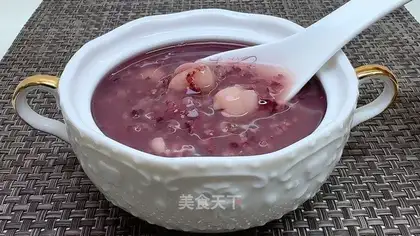
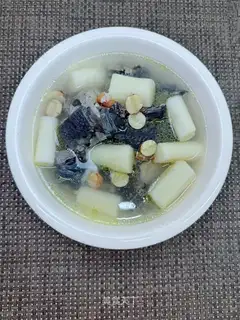
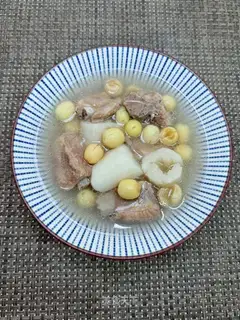
In East and Southeast Asia, lotus seeds are a common ingredient in desserts and sweet soups. In Chinese cuisine, they are used in tong sui (sweet soups), such as the famous lotus seed and pork rib soup or gingko and lotus seed soup. In Thailand and Vietnam, lotus seeds are added to sticky rice desserts, puddings, and sweetened drinks. Candied lotus seeds are also a popular snack, offering a sweet, chewy texture.
2. Savory Dishes
Lotus seeds can be cooked in savory dishes, adding a nutty flavor and creamy texture. In Indian cuisine, they are used in curries and rice pilafs, while in Chinese cooking, they are often combined with mushrooms, bamboo shoots, and vegetables in stir-fries. In Korea, roasted lotus seeds are sprinkled over salads or rice bowls for a crunchy topping.
3. Snacks and Beverages
Roasted lotus seeds are a popular snack in China, Japan, and Korea, enjoyed plain or seasoned with salt, spices, or sugar. Lotus seed paste, made from ground and sweetened lotus seeds, is a key ingredient in mooncakes, pastries, and dim sum. Additionally, lotus seed tea, brewed from dried lotus seeds and flowers, is consumed for its calming and health-boosting properties.
IV. Precautions and Potential Side Effects
While lotus seeds are highly nutritious, they should be consumed with caution due to certain compounds and dietary considerations.
1. High in Fiber: Start Slow
The high fiber content in lotus seeds may cause digestive discomfort, such as bloating, gas, or diarrhea, if consumed in large amounts, especially for individuals not used to a high-fiber diet. It is advisable to start with small portions (1-2 tablespoons) and gradually increase intake while drinking plenty of water.
2. Alkaloids: Raw or Unprocessed Seeds
Raw lotus seeds contain alkaloids, such as liensinine, which can be toxic and cause nausea, vomiting, or dizziness. Always consume lotus seeds after cooking or processing. Commercially available lotus seeds are typically peeled and dried, but if using fresh seeds, they must be soaked and boiled thoroughly to remove alkaloids.
3. Low in Iron for Certain Groups
While lotus seeds contain iron, it is non-heme iron (plant-based), which is less easily absorbed by the body than heme iron (animal-based). Vegetarians and vegans who rely on plant-based iron sources should pair lotus seeds with vitamin C-rich foods (such as citrus fruits, bell peppers, or tomatoes) to enhance iron absorption.
4. Calorie Considerations
Although lotus seeds are low in fat, they are calorie-dense due to their carbohydrate content. A 100-gram serving provides approximately 350 calories, so portion control is important for individuals watching their calorie intake, especially those with diabetes or trying to lose weight.
5. Allergies
Lotus seed allergies are rare but possible. Individuals with seed allergies (such as sesame or sunflower seeds) should exercise caution and consult a healthcare provider before consuming lotus seeds. Symptoms of an allergic reaction may include itching, hives, or difficulty breathing.
6. Medicinal Interactions
Lotus seeds may interact with certain medications, particularly blood thinners (e.g., warfarin) and diabetes medications. The high vitamin K content in lotus seeds can affect blood clotting, while their fiber and carbohydrate content may influence blood sugar levels. Individuals taking these medications should consult a doctor before adding lotus seeds to their diet.
V. Conclusion
Lotus seeds are a nutritional and culinary treasure, offering a unique combination of protein, fiber, vitamins, minerals, and antioxidants. Their health benefits—from supporting heart health and digestion to enhancing cognitive function and promoting healthy skin—make them a valuable addition to any diet. However, like all foods, they should be consumed in moderation and with awareness of potential precautions, such as their high fiber content and alkaloid levels in raw form.
Whether enjoyed in a warm soup, a savory stir-fry, or as a snack, lotus seeds are a testament to the wisdom of traditional food practices. By incorporating these "pond jewels" into a balanced diet, individuals can harness their nutritional power and enjoy their delicious flavor while minimizing risks. As research continues to uncover the full potential of lotus seeds, they remain a timeless symbol of health, longevity, and culinary excellence.