Longan, scientifically known as Dimocarpus longan, is a tropical fruit native to Southern China, now cultivated across Southeast Asia, India, and other warm regions. Often called the "dragon’s eye" due to its translucent flesh and dark seed resembling an eyeball, longan has been a staple in traditional Chinese medicine and cuisine for over 2,000 years. With its sweet, honey-like flavor and versatile culinary uses, longan is not only a delicious treat but also a nutritional powerhouse. This article explores the nutritional value of longan, its health benefits, and important precautions to consider when consuming this fruit.
Nutritional Value of Longan
Longan is packed with essential vitamins, minerals, antioxidants, and bioactive compounds, making it a valuable addition to a balanced diet. A 100-gram serving of fresh longan (approximately 10-12 fruits) contains approximately:
- Carbohydrates: 15–16 grams, mostly natural sugars (sucrose, glucose, and fructose), providing quick energy.
- Dietary Fiber: 1–1.5 grams, aiding digestion and gut health.
- Protein: 1.1–1.3 grams, a modest amount for a fruit.
- Vitamins:
- Vitamin C: 10–14 mg (16–23% of the daily recommended intake), crucial for immune function, collagen synthesis, and skin health.
- Vitamin B Complex: Including riboflavin (B2), niacin (B3), and folate (B9), which support metabolism and red blood cell production.
- Vitamin A: Trace amounts, important for vision and immune health.
- Minerals:
- Potassium: 165–180 mg, regulating blood pressure and fluid balance.
- Iron: 0.4–0.5 mg, aiding oxygen transport in the blood.
- Magnesium: 10–12 mg, supporting muscle and nerve function.
- Calcium: 2–3 mg, contributing to bone health.
- Antioxidants: Polyphenols, flavonoids (such as quercetin and rutin), and anthocyanins, which combat oxidative stress.
- Other Bioactive Compounds: Polysaccharides and saponins, studied for their adaptogenic and anti-inflammatory properties.
Dried longan, known as "Guiyuan," is even more nutrient-dense per serving, with higher concentrations of fiber, potassium, and antioxidants due to water removal. For example, 100 grams of dried longan contains around 60–70 grams of carbohydrates, 3–4 grams of fiber, and 550–600 mg of potassium.
Health Benefits of Longan
The rich nutritional profile of longan translates to numerous health benefits, supported by both traditional use and modern scientific research.
1. Boosts Immune Function
Longan is an excellent source of vitamin C, a potent antioxidant that enhances the immune system by stimulating the production of white blood cells and neutralizing harmful free radicals. Studies show that regular consumption of vitamin C-rich fruits like longan can reduce the duration and severity of colds and infections. Additionally, the polysaccharides in longan have been found to modulate immune activity, improving the body’s defense against pathogens.
2. Enhances Energy and Reduces Fatigue
Thanks to its high natural sugar content, longan provides a quick energy boost, making it an ideal snack for athletes or individuals experiencing fatigue. Traditional Chinese medicine (TCM) classifies longan as a "warming" food, believed to nourish the spleen and replenish qi (vital energy). Research suggests that the fruit’s polysaccharides may improve mitochondrial function, enhancing cellular energy production and reducing feelings of exhaustion.
3. Supports Heart Health
Longan’s potassium content plays a key role in regulating blood pressure by balancing sodium levels and relaxing blood vessels. A diet rich in potassium is associated with a lower risk of stroke and heart disease. Furthermore, the flavonoids in longan, such as quercetin, have anti-inflammatory and antithrombotic properties, which may prevent plaque buildup in arteries and improve overall cardiovascular health.
4. Improves Sleep Quality
In TCM, longan is used to calm the mind and promote restful sleep. Modern research indicates that the fruit contains compounds like gamma-aminobutyric acid (GABA), a neurotransmitter that reduces neural activity and induces relaxation. A study published in the Journal of Ethnopharmacology found that longan seed extract improved sleep duration and quality in mice by modulating GABA receptors. While human trials are limited, anecdotal evidence and traditional use suggest longan may help alleviate insomnia and anxiety.
5. Anti-Aging and Skin Benefits
The antioxidants in longan, particularly vitamin C and flavonoids, protect the skin from oxidative damage caused by UV radiation and pollution. Vitamin C also stimulates collagen synthesis, maintaining skin elasticity and reducing wrinkles. Additionally, longan’s hydrating properties and high water content (about 80% in fresh fruit) keep the skin moisturized and supple. Some skincare products now incorporate longan extract for its anti-inflammatory and brightening effects.
6. Aids Digestive Health
Longan contains dietary fiber, which promotes regular bowel movements and prevents constipation. The fruit also acts as a prebiotic, feeding beneficial gut bacteria and supporting a healthy microbiome. In TCM, longan is used to treat digestive disorders like indigestion and bloating, as it is believed to "warm the spleen" and improve nutrient absorption.
7. Potential Anti-Cancer Properties
Preliminary studies suggest that longan’s bioactive compounds, such as polysaccharides and polyphenols, may exhibit anti-cancer effects. For example, research in Phytotherapy Research found that longan polysaccharides inhibited the growth of breast cancer cells by inducing apoptosis (programmed cell death). While more research is needed to confirm these effects in humans, the antioxidant and anti-inflammatory properties of longan make it a promising adjunct to cancer prevention strategies.
Precautions and Potential Side Effects
While longan offers numerous health benefits, it should be consumed in moderation, especially by certain individuals. Here are key precautions to consider:
1. High Sugar Content
Longan is naturally high in sugars, with 100 grams of fresh fruit containing about 13–15 grams of sugar. People with diabetes or insulin resistance should limit their intake to avoid blood sugar spikes. Dried longan is even higher in sugar (60–70 grams per 100 grams), making it less suitable for those managing diabetes.
2. "Warming" Nature in Traditional Medicine
In TCM, longan is classified as a "warming" food, meaning it can increase body heat. Excessive consumption may lead to "internal heat" symptoms such as sore throat, mouth ulcers, acne, or constipation, especially in individuals with a "hot" body constitution (e.g., those prone to inflammation or fever). It is advisable to balance longan intake with "cooling" fruits like watermelon or pear.
3. Allergic Reactions
Although rare, some individuals may be allergic to longan, experiencing symptoms like itching, swelling, or hives. People with known allergies to other fruits in the Sapindaceae family (such as lychee or rambutan) should exercise caution.
4. Interaction with Medications
Longan may interact with certain medications, particularly sedatives and blood thinners. Its mild sedative effects could enhance the effects of sleeping pills or anti-anxiety medications, leading to excessive drowsiness. Additionally, the vitamin K in longan may interfere with blood-thinning drugs like warfarin, so individuals on such medications should consult their doctor before consuming large amounts.
5. Not Suitable for Everyone
- Pregnant and Breastfeeding Women: While moderate consumption is generally safe, excessive intake of longan’s "warming" properties may cause discomfort. It is best to consult a healthcare provider.
- Children: Young children should eat longan in moderation due to its high sugar content, which may contribute to dental cavities or weight gain if overconsumed.
Conclusion
Longan is a nutrient-dense fruit that offers a wide range of health benefits, from boosting immunity and energy to improving heart health and skin vitality. Its rich content of vitamins, minerals, antioxidants, and bioactive compounds makes it a valuable addition to a healthy diet. However, its high sugar content, warming nature, and potential interactions with medications necessitate moderation and awareness, especially for individuals with specific health conditions.
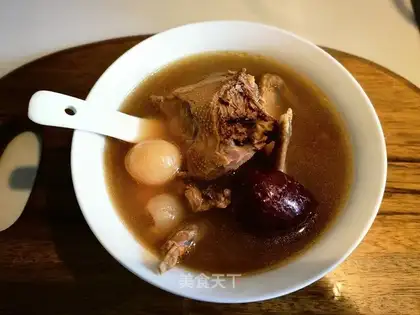
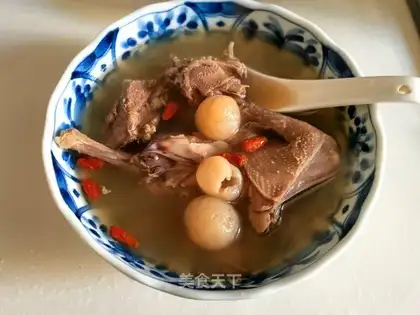
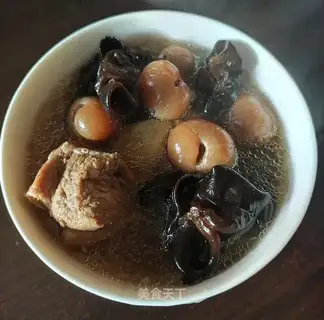
Whether enjoyed fresh, dried, or incorporated into dishes like soups, desserts, or teas, longan can be a delicious and nutritious part of a balanced lifestyle. By understanding its benefits and precautions, individuals can harness the power of this "dragon’s eye" fruit to enhance their well-being while minimizing risks. As with any food, moderation and mindfulness are key to reaping the rewards of longan’s unique nutritional profile.