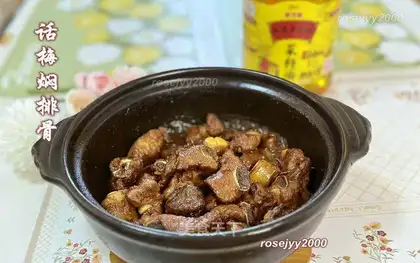
Prunus mume, commonly known as Japanese apricot, Chinese plum, or sumac, is a tangy, versatile fruit that has been cherished in East Asian cultures for centuries. While often consumed as a preserved snack—hua mei (话梅), or "speaking plum," for its ability to freshen breath—this small, unassuming fruit is far more than a mere treat. From its rich nutritional profile to its diverse health benefits and potential risks, Prunus mume embodies the intersection of culinary tradition and holistic wellness. This article explores its nutritional value, therapeutic effects, and essential precautions to ensure safe consumption.
I. Nutritional Value of Prunus Mume
Prunus mume is a nutrient-dense fruit, offering a unique combination of vitamins, minerals, antioxidants, and bioactive compounds. While its fresh counterpart is tart and astringent, the preserved form (e.g., dried, salted, or candied) concentrates many of its nutrients, albeit often with added sugar or salt.
1. Vitamins and Minerals
Fresh Prunus mume is a notable source of vitamin C, a potent antioxidant that supports immune function, skin health, and collagen synthesis. A 100-gram serving of fresh fruit provides approximately 10–15 mg of vitamin C, roughly 16–20% of the daily recommended intake. Dried or preserved varieties retain smaller but still significant amounts, depending on processing methods.
The fruit also contains vitamin A (in the form of beta-carotene), which is vital for vision, immune health, and cell growth. Trace minerals like potassium, magnesium, and iron are present, though in modest quantities. Potassium, in particular, helps regulate blood pressure and fluid balance, while iron supports oxygen transport in the blood.
2. Antioxidants and Bioactive Compounds
Prunus mume’s most celebrated components are its polyphenols, including chlorogenic acid, neochlorogenic acid, and catechins. These compounds combat oxidative stress by neutralizing free radicals, reducing inflammation, and protecting cells from damage. Studies suggest that polyphenols in Prunus mume may have higher antioxidant activity than those in other common fruits like apples or pears.
Additionally, the fruit contains organic acids (citric, malic, and tartaric acid), which contribute to its tangy flavor aid digestion. These acids stimulate gastric juice secretion, alleviating indigestion and bloating.
3. Dietary Fiber
Dried Prunus mume is a good source of dietary fiber, particularly when consumed with the skin. Fiber promotes gut health by supporting regular bowel movements, feeding beneficial gut bacteria, and reducing constipation. A 30-gram serving of dried hua mei may provide 2–3 grams of fiber, roughly 8–12% of the daily recommended intake.
4. Low in Calories (When Unadulterated)
Fresh Prunus mume is low in calories, with approximately 30–40 calories per 100 grams. However, commercially preserved varieties—especially those candied in sugar—can be high in added sugars, increasing calorie content significantly. For example, a 30-gram serving of candied hua mei may contain 50–70 calories, mostly from sugar.
II. Health Benefits of Prunus Mume
Beyond its nutritional profile, Prunus mume has been used in traditional Chinese medicine (TCM) and modern wellness practices for its therapeutic properties. Its benefits span digestive, immune, and metabolic health, among others.
1. Aids Digestion and Relieves Gastrointestinal Discomfort
Prunus mume’s high acidity and fiber content make it a natural digestive aid. In TCM, it is classified as a "sour" food, believed to "astringe the intestines" and reduce diarrhea. Organic acids like citric acid stimulate the secretion of digestive enzymes, breaking down food more efficiently. For individuals with mild indigestion or bloating, consuming a few pieces of dried hua mei after meals may alleviate discomfort.
Studies also suggest that Prunus mume extract can protect the gastric mucosa from damage caused by alcohol or non-steroidal anti-inflammatory drugs (NSAIDs), potentially reducing the risk of gastritis or ulcers.
2. Boosts Immune Function
The combination of vitamin C, polyphenols, and organic acids in Prunus mume enhances immune activity. Vitamin C stimulates the production of white blood cells, while polyphenols modulate inflammatory responses, reducing the severity of infections. Research indicates that Prunus mume extract may inhibit the growth of bacteria like E. coli and Staphylococcus aureus, as well as viruses such as influenza and herpes simplex.
During cold and flu season, consuming Prunus mume tea or preserved fruit may help fortify the immune system and shorten the duration of illness.
3. Supports Detoxification and Liver Health
In TCM, Prunus mume is considered a "detoxifying" food, believed to cleanse the liver and kidneys. Modern research supports this to some extent: studies in animal models show that Prunus mume extract enhances liver antioxidant enzymes (e.g., superoxide dismutase and glutathione peroxidase), reducing oxidative stress in the liver. This may protect against toxin-induced liver damage, though human trials are needed to confirm these effects.
4. Regulates Blood Sugar and Metabolism
Despite its sweet taste, Prunus mume may help regulate blood sugar levels. Its polyphenols, particularly chlorogenic acid, improve insulin sensitivity and slow carbohydrate absorption, preventing sharp spikes in blood glucose. A 2018 study published in the Journal of Functional Foods found that Prunus mume extract reduced blood sugar levels in diabetic rats by 20–30%. While promising, more research is required to determine its efficacy in humans.
Additionally, the fruit’s low glycemic index (GI) makes it a moderate option for individuals with diabetes when consumed in small, unsweetened portions.
5. Promotes Oral Health and Freshens Breath
The name "hua mei" (话梅, "speaking plum") originates from its traditional use as a breath freshener. Its high acidity and polyphenols inhibit the growth of oral bacteria, such as Streptococcus mutans, which cause bad breath and cavities. Chewing a few pieces of dried hua mei stimulates saliva production, further neutralizing odors and reducing plaque buildup.
6. Enhances Skin Health
Vitamin C and polyphenols in Prunus mume play a key role in skin health. Vitamin C is essential for collagen synthesis, maintaining skin elasticity and reducing wrinkles. Polyphenols protect against UV-induced damage and inflammation, potentially slowing premature aging. Some skincare products now incorporate Prunus mume extract for its antioxidant and brightening properties.
III. Precautions and Potential Risks
While Prunus mume offers numerous health benefits, its consumption requires caution due to its high acidity, sugar content (in preserved forms), and potential interactions with medications.
1. High Acidity May Irritate the Digestive Tract
Prunus mume’s organic acids can exacerbate conditions like gastritis, peptic ulcers, or acid reflux. Individuals with sensitive stomachs should consume it in moderation—no more than 2–3 pieces per day—and avoid it on an empty stomach. Those with a history of stomach ulcers should consult a healthcare provider before including it in their diet.
2. Added Sugar in Commercial Products
Most commercially preserved hua mei is candied or sweetened with sugar, increasing the risk of weight gain, dental cavities, and blood sugar spikes. To minimize these risks, choose unsweetened dried varieties or make homemade hua mei with minimal salt or sugar. For individuals with diabetes, portion control is critical.
3. Sodium Content in Salted Varieties
Salted Prunus mume (a common preservation method) can be high in sodium, which may contribute to high blood pressure or fluid retention. A 30-gram serving of salted hua mei may contain 300–500 mg of sodium, roughly 13–22% of the daily 2,300 mg limit. Those with hypertension or kidney disease should opt for low-sodium versions or limit intake.
4. Potential Drug Interactions
Prunus mume may interact with certain medications due to its effects on blood sugar and liver enzymes. For example:
- Diabetes medications: Its blood sugar-lowering properties may enhance the effects of insulin or oral hypoglycemics, leading to hypoglycemia.
- Blood thinners: Polyphenols may have mild anticoagulant effects, increasing the risk of bleeding when taken with drugs like warfarin.
- NSAIDs: Combined use may irritate the stomach lining, worsening side effects like ulcers.
Individuals taking these medications should consult a doctor before consuming Prunus mume regularly.
5. Not Suitable for Everyone
Pregnant and breastfeeding women should consume Prunus mume in moderation, as there is limited research on its safety during these stages. Children, with their more sensitive digestive systems, should also avoid excessive intake due to its high acidity.
IV. How to Incorporate Prunus Mume into Your Diet
To reap the benefits of Prunus mume while minimizing risks, consider these consumption tips:
- Choose wisely: Opt for unsweetened, low-sodium dried varieties or fresh fruit when available.
- Portion control: Limit intake to 2–3 pieces per day to avoid overconsumption of sugar or sodium.
- Pair with water: Drink water after eating hua mei to rinse away acids and sugars, protecting dental health.
- Use in cooking: Add chopped dried hua mei to teas, stews, or marinades for a tangy flavor without added sugar.
- Make tea: Steep 5–6 dried hua mei in hot water for a soothing, antioxidant-rich beverage.
Conclusion
Prunus mume is a remarkable fruit that bridges culinary tradition and modern health science. Its rich array of vitamins, antioxidants, and bioactive compounds supports digestion, immunity, and metabolic health, while its versatility makes it a delightful addition to diets worldwide. However, its acidity, sugar content, and potential drug interactions necessitate mindful consumption. By choosing high-quality products, practicing portion control, and consulting healthcare providers when needed, individuals can safely enjoy the "speaking plum" as both a tasty snack and a wellness ally. As with any food, moderation is key—allowing Prunus mume to enhance health without overshadowing its risks.