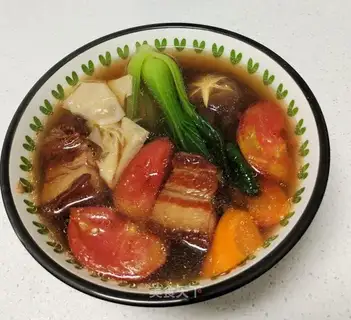
In the diverse world of leafy green vegetables, 油菜, commonly known as bok choy or Chinese cabbage, stands out as a nutritional and culinary gem. With its crisp texture, mild flavor, and versatility in dishes ranging from stir-fries to soups, this vegetable has been a staple in Asian cuisine for centuries. Beyond its culinary appeal, bok choy is celebrated for its exceptional health benefits, packed with vitamins, minerals, antioxidants, and other bioactive compounds. However, like all foods, it is important to understand its nutritional profile, health benefits, and potential precautions to maximize its advantages while minimizing risks. This article provides a comprehensive exploration of bok choy’s nutritional value, health-promoting properties, and considerations for safe consumption.
I. Nutritional Value of Bok Choy: A Nutrient-Dense Powerhouse
Bok choy belongs to the Brassica family, which also includes kale, broccoli, and cabbage. It is characterized by its dark green leaves and pale, crunchy stalks, both of which are edible and rich in nutrients. A 100-gram serving of raw bok choy (approximately 1.5 cups) contains just 13 calories, making it an ideal choice for weight management diets. Its nutritional profile is particularly notable for its high concentration of essential vitamins, minerals, and phytochemicals.
1. Vitamins: A Spectrum of Essential Nutrients
- Vitamin K: Bok choy is an outstanding source of vitamin K, with one serving providing approximately 59% of the daily recommended intake (DRI). Vitamin K plays a critical role in blood clotting and bone metabolism, helping to maintain bone density and reduce fracture risk.
- Vitamin C: A 100-gram serving of bok choy contains about 51 mg of vitamin C, roughly 85% of the DRI for adults. This potent antioxidant supports immune function, collagen synthesis, and skin health, while also protecting cells from oxidative damage caused by free radicals.
- Vitamin A: Bok choy is rich in beta-carotene, a precursor to vitamin A. One serving provides over 30% of the DRI for vitamin A, which is essential for vision, immune function, and cell growth. Vitamin A also acts as an antioxidant, reducing inflammation and protecting against chronic diseases.
- B Vitamins: Bok choy contains moderate amounts of folate (vitamin B9), which is crucial for DNA synthesis, cell division, and fetal development during pregnancy. It also provides small amounts of vitamin B6 and riboflavin, which support energy metabolism and nervous system health.
2. Minerals: Building Blocks for Health
- Calcium: Despite being a plant-based food, bok choy is a good source of calcium, with one serving providing around 105 mg (about 8% of the DRI). Calcium is vital for bone and teeth health, muscle contraction, and nerve signaling. For individuals who are lactose intolerant or follow a vegan diet, bok choy offers a valuable alternative to dairy products.
- Potassium: Bok choy contains approximately 316 mg of potassium per 100-gram serving, which helps regulate blood pressure, fluid balance, and muscle function. Potassium counteracts the effects of sodium, reducing the risk of hypertension and cardiovascular disease.
- Iron: While bok choy is not as high in iron as legumes or red meat, it contains non-heme iron (about 0.7 mg per serving), which is important for preventing iron deficiency anemia. Pairing bok choy with vitamin C-rich foods (such as bell peppers or citrus) enhances non-heme iron absorption.
- Manganese: This trace mineral, found in bok choy, supports antioxidant defense, bone formation, and metabolism. A 100-gram serving provides about 15% of the DRI for manganese.
3. Fiber and Antioxidants: Promoting Digestive and Cellular Health
Bok choy is an excellent source of dietary fiber, with one serving providing approximately 2 grams of fiber. Fiber aids digestion by promoting regular bowel movements, preventing constipation, and supporting a healthy gut microbiome. It also helps regulate blood sugar levels and lowers cholesterol, reducing the risk of type 2 diabetes and heart disease.
Additionally, bok choy is rich in antioxidants, including glucosinolates, flavonoids, and phenolic compounds. Glucosinolates, sulfur-containing compounds unique to Brassica vegetables, are broken down into bioactive molecules (such as sulforaphane) during digestion. Sulforaphane has been studied for its anti-inflammatory, anticancer, and detoxification properties. Flavonoids like quercetin and kaempferol, found in bok choy, combat oxidative stress and may reduce the risk of chronic diseases, including cardiovascular disease and neurodegenerative disorders.
II. Health Benefits of Bok Choy: From Disease Prevention to Overall Wellness
The impressive nutritional profile of bok choy translates into a wide range of health benefits. Regular consumption of this vegetable may contribute to the prevention and management of various health conditions, while also supporting overall well-being.
1. Supports Bone Health
Bok choy’s high vitamin K and calcium content makes it a powerful ally for bone health. Vitamin K activates osteocalcin, a protein that binds calcium to the bone matrix, enhancing bone strength and density. Studies suggest that adequate vitamin K intake may reduce the risk of osteoporosis and fractures, particularly in postmenopausal women. The calcium in bok choy further supports this process, making it an excellent dietary choice for maintaining skeletal health.
2. Boosts Immune Function
The combination of vitamin C, vitamin A, and antioxidants in bok choy strengthens the immune system. Vitamin C stimulates the production and function of white blood cells, which are essential for fighting infections. Vitamin A maintains the integrity of mucosal surfaces (such as the respiratory and digestive tracts), acting as a first line of defense against pathogens. Antioxidants like sulforaphane also modulate immune responses, reducing chronic inflammation that can impair immune function.
3. Promotes Heart Health
Bok choy contributes to cardiovascular health through multiple mechanisms. Its potassium content helps lower blood pressure by counteracting the effects of sodium and relaxing blood vessel walls. The fiber in bok choy reduces LDL (“bad”) cholesterol levels by binding to bile acids in the digestive system and promoting their excretion. Additionally, the antioxidants in bok choy prevent the oxidation of LDL cholesterol, a key step in the development of atherosclerosis (plaque buildup in arteries). Regular consumption of bok choy has been associated with a reduced risk of heart disease and stroke.
4. Aids in Weight Management
With its low calorie density and high fiber and water content, bok choy is an ideal food for weight management. Fiber adds bulk to meals, promoting satiety and reducing overall calorie intake. The water content (over 90%) also helps keep the body hydrated and full, preventing overeating. Incorporating bok choy into meals, such as salads, stir-fries, or soups, can increase volume without adding significant calories, making it easier to maintain a healthy weight.
5. Has Potential Anticancer Properties
Bok choy’s glucosinolates and sulforaphane have garnered attention for their anticancer potential. Sulforaphane activates phase II detoxification enzymes in the liver, which help neutralize and eliminate carcinogens (cancer-causing substances). It also inhibits the growth of cancer cells and promotes apoptosis (programmed cell death) in various types of cancer, including breast, prostate, and colon cancer. While more human studies are needed, laboratory and animal studies suggest that regular consumption of cruciferous vegetables like bok choy may reduce cancer risk.
6. Supports Skin and Eye Health
The vitamin A and vitamin C content in bok choy is beneficial for skin and eye health. Vitamin A is essential for maintaining healthy skin and mucous membranes, while vitamin C promotes collagen synthesis, keeping skin firm and elastic. Antioxidants like beta-carotene (from vitamin A) protect the skin from UV damage and premature aging. For eye health, vitamin A prevents night blindness and reduces the risk of age-related macular degeneration (AMD), a leading cause of vision loss in older adults.
III. Precautions and Potential Side Effects: Who Should Be Cautious?
While bok choy is generally safe for most people and offers numerous health benefits, there are certain precautions to consider, particularly for individuals with specific health conditions or dietary restrictions.
1. Goitrogen Content and Thyroid Health
Bok choy, like other cruciferous vegetables, contains goitrogens—compounds that can interfere with thyroid function by inhibiting the uptake of iodine, which is essential for thyroid hormone production. For individuals with healthy thyroid function, moderate consumption of bok choy is unlikely to cause problems, as the body can compensate for the effects of goitrogens. However, people with preexisting thyroid conditions (such as hypothyroidism or goiter) should consume bok choy in moderation. Cooking bok choy can reduce its goitrogen content, as heat inactivates some of these compounds.
2. Blood-Thinning Medications and Vitamin K
Bok choy’s high vitamin K content can interact with blood-thinning medications such as warfarin (Coumadin). Vitamin K plays a key role in blood clotting, and sudden changes in vitamin K intake can alter the effectiveness of these medications. Individuals taking warfarin should maintain consistent vitamin K intake by consuming a steady amount of bok choy and other vitamin K-rich foods, rather than avoiding them altogether. Consulting a healthcare provider or registered dietitian is recommended to ensure safe consumption.
3. Pesticide Residues and Organic Options
Conventionally grown bok choy may contain pesticide residues, which can pose health risks with long-term exposure. To minimize exposure, it is advisable to choose organic bok choy when possible, as organic farming practices restrict the use of synthetic pesticides. If organic bok choy is unavailable, washing the vegetable thoroughly under running water or using a vegetable wash can help remove surface residues.
4. Digestive Discomfort
While fiber is beneficial for digestion, consuming large amounts of bok choy (especially raw) may cause digestive discomfort in some individuals, such as bloating, gas, or diarrhea. This is particularly true for those with irritable bowel syndrome (IBS) or sensitive digestive systems. Cooking bok choy can make it easier to digest, as heat breaks down fiber and reduces the risk of gastrointestinal distress.
5. Allergic Reactions
Although rare, some individuals may be allergic to bok choy or other cruciferous vegetables. Symptoms of an allergic reaction may include itching, hives, swelling, or difficulty breathing. People with known allergies to Brassica vegetables should avoid bok choy and consult an allergist if they experience adverse reactions.
IV. Culinary Uses and Tips for Incorporating Bok Choy into Your Diet
Bok choy’s mild, slightly sweet flavor and crisp texture make it a versatile ingredient in a wide range of dishes. Here are some popular ways to incorporate bok choy into your meals:
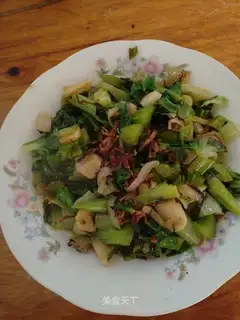
- Stir-fries: Bok choy is a staple in Asian stir-fries. Its stalks become tender-crisp when stir-fried, while the leaves wilt quickly. Pair it with garlic, ginger, tofu, or shrimp for a quick and nutritious meal.
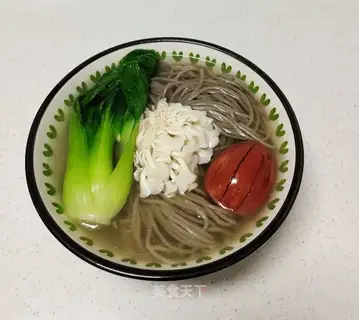
- Soups and Stews: Add bok choy to soups (such as miso soup or hot and sour soup) in the last few minutes of cooking to retain its crunch and nutrients. It also adds color and flavor to broths and stews.
- Salads: Young, tender bok choy leaves can be used in salads for a crunch similar to romaine or iceberg lettuce. Combine with other vegetables, nuts, and a light vinaigrette for a refreshing side dish.
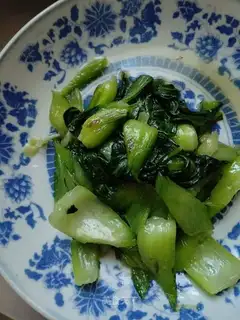
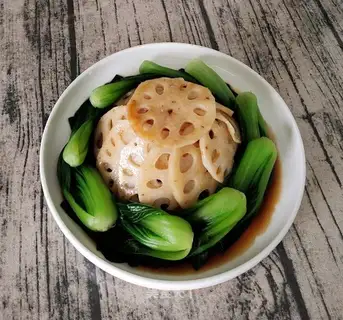
- Steamed or Sautéed: Lightly steaming or sautéing bok choy with a drizzle of olive oil and lemon juice enhances its natural flavor while preserving its nutrients. Season with soy sauce, sesame seeds, or red pepper flakes for extra taste.
- Smoothies: For a nutrient boost, blend a small amount of raw bok choy leaves into green smoothies with fruits like banana or pineapple to balance its mild bitterness.
To maximize the nutritional benefits of bok choy, consider the following tips:
- Cook Strategically: While raw bok choy retains more vitamin C, cooking increases the bioavailability of certain nutrients (such as vitamin A and carotenoids). Lightly steaming or stir-frying is a good compromise.
- Pair with Healthy Fats: Adding a source of healthy fat (such as avocado, olive oil, or nuts) to bok choy dishes enhances the absorption of fat-soluble vitamins (A, D, E, and K).
- Use Stalks and Leaves: Both the stalks and leaves of bok choy are nutritious. The stalks take longer to cook, so add them to dishes before the leaves to ensure even cooking.
V. Conclusion
Bok choy is a nutritional powerhouse that offers a wide range of health benefits, from supporting bone health and immune function to reducing the risk of chronic diseases. Its high content of vitamins, minerals, fiber, and antioxidants makes it an excellent addition to a balanced diet. While it is generally safe for most people, individuals with thyroid conditions, those taking blood-thinning medications, or those with allergies should exercise caution. By incorporating bok choy into meals in various ways—whether stir-fried, steamed, or raw—individuals can enjoy its delicious flavor while reaping its numerous health benefits. As with any food, moderation and mindful consumption are key to maximizing the advantages of this versatile and nutrient-rich vegetable.
In a world where processed foods and nutrient-poor diets are increasingly common, bok choy stands out as a simple, affordable, and accessible way to enhance overall health. By embracing this humble green, we can take a flavorful step toward a healthier, more vibrant life.