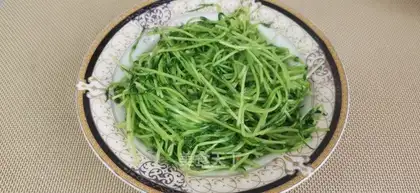
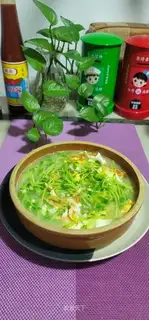
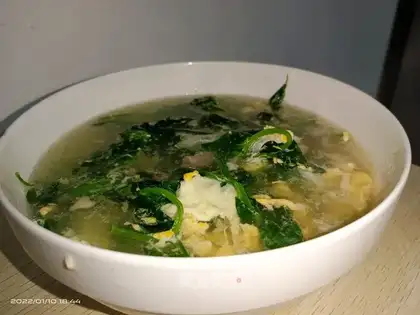
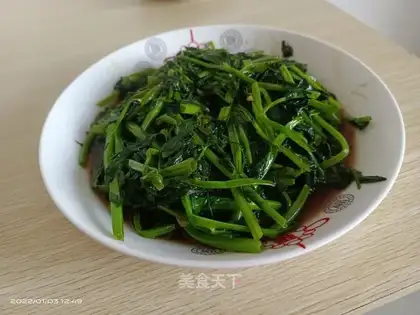
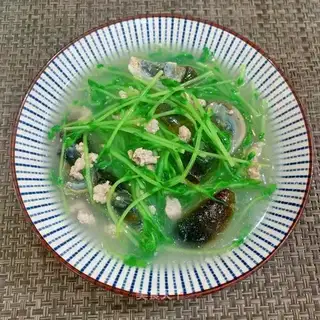
Pea shoots, the tender, young leaves and stems of pea plants (Pisum sativum), have long been a staple in Asian cuisine but are now gaining global recognition as a "superfood." With their delicate, sweet flavor and vibrant green appearance, these microgreens are not just a culinary delight but also a nutritional powerhouse. Packed with vitamins, minerals, antioxidants, and plant-based compounds, pea shoots offer a myriad of health benefits. However, like any food, they must be consumed mindfully to avoid potential risks. This article explores the nutritional profile of pea shoots, their health-promoting properties, culinary versatility, and important precautions for safe consumption.
I. Nutritional Profile: Why Pea Shoots Are a Nutrient-Dense Food
Pea shoots stand out for their exceptional nutrient density, particularly considering their low calorie content. A 100-gram serving of raw pea shoots contains approximately 30–40 calories, making them an ideal choice for weight-conscious individuals. Despite their lightness, they are loaded with essential nutrients that support overall health.
1. Vitamins: A Concentrated Source of Key Micronutrients
- Vitamin K: Pea shoots are one of the richest plant-based sources of vitamin K, providing about 50–60 micrograms (mcg) per 100 grams—over 40% of the daily recommended intake (DRI) for adults. Vitamin K is crucial for blood clotting and bone health, as it helps activate proteins that regulate calcium deposition in bones.
- Vitamin C: These shoots contain around 30–40 mg of vitamin C per 100 grams, meeting roughly 50% of the DRI. Vitamin C is a potent antioxidant that boosts immune function, supports collagen synthesis for skin health, and enhances iron absorption from plant-based foods.
- Vitamin A (as beta-carotene): Pea shoots provide significant amounts of beta-carotene, which the body converts to vitamin A. This nutrient is vital for vision, immune function, and cell growth. A 100-gram serving delivers about 20–25% of the DRI for vitamin A.
- Folate (Vitamin B9): With approximately 40–50 mcg of folate per 100 grams, pea shoots contribute to healthy cell division and DNA synthesis, making them particularly beneficial during pregnancy for fetal development.
2. Minerals: Essential for Bodily Functions
- Iron: Pea shoots are a good source of non-heme iron, providing about 1.5–2 mg per 100 grams. While non-heme iron is less easily absorbed than heme iron (from animal products), the vitamin C in pea shoots enhances its bioavailability, supporting oxygen transport and energy production.
- Potassium: These shoots contain around 200–250 mg of potassium per 100 grams, an electrolyte that regulates blood pressure, fluid balance, and muscle contractions. Adequate potassium intake is linked to a reduced risk of stroke and heart disease.
- Calcium: Though not as high as dairy products, pea shoots offer about 30–40 mg of calcium per 100 grams, which contributes to bone and teeth health.
3. Antioxidants and Phytochemicals: Fighting Oxidative Stress
Pea shoots are brimming with antioxidants, including flavonoids, phenolic acids, and carotenoids, which neutralize harmful free radicals and reduce oxidative stress. Key compounds like quercetin and kaempferol have anti-inflammatory properties and may lower the risk of chronic diseases such as cancer and heart disease. Additionally, the young shoots contain glutathione, a powerful antioxidant that supports liver detoxification.
4. Fiber and Protein: Supporting Digestion and Satiety
With 2–3 grams of dietary fiber per 100 grams, pea shoots promote digestive health by preventing constipation and feeding beneficial gut bacteria. They also provide 3–4 grams of plant-based protein, making them a valuable addition to vegetarian and vegan diets. The combination of fiber and protein enhances satiety, aiding in weight management.
II. Health Benefits: How Pea Shoots Enhance Well-Being
The impressive nutritional profile of pea translates into a range of health benefits, backed by scientific research and traditional use.
1. Boosts Immune Function
The high vitamin C content in pea shoots strengthens the immune system by stimulating the production of white blood cells and antibodies. Vitamin C also acts as an antioxidant, protecting immune cells from damage caused by free radicals. Regular consumption may reduce the severity and duration of common colds and infections.
2. Supports Heart Health
Pea shoots contribute to cardiovascular health in multiple ways. Their potassium content helps regulate blood pressure by counteracting the effects of sodium. The fiber lowers LDL ("bad") cholesterol levels by binding to bile acids in the digestive system, promoting their excretion. Furthermore, antioxidants like flavonoids reduce inflammation and oxidative damage to blood vessels, lowering the risk of atherosclerosis.
3. Promotes Bone Density
The combination of vitamin K, calcium, and vitamin D (if consumed alongside vitamin D-rich foods) is essential for maintaining strong bones. Vitamin K activates osteocalcin, a protein that integrates calcium into the bone matrix, while calcium provides the structural material. Regular intake of pea shoots may help prevent osteoporosis, especially in older adults.
4. Aids in Weight Management
Low in calories but high in fiber and protein, pea shoots are an excellent food for weight loss. Fiber slows digestion, keeping you full for longer and reducing overall calorie intake. Protein also helps preserve muscle mass during weight loss, ensuring that most weight lost comes from fat rather than lean tissue.
5. Enhances Skin Health
Vitamin C in pea shoots is critical for collagen synthesis, a protein that keeps skin firm, elastic, and youthful. Collagen also supports wound healing and protects the skin from UV damage. Additionally, the antioxidants in pea shoots combat free radicals that cause premature aging, such as wrinkles and fine lines.
6. Regulates Blood Sugar Levels
The fiber in pea shoots slows the absorption of sugar in the bloodstream, preventing sharp spikes in blood glucose levels. This is particularly beneficial for individuals with diabetes or those at risk of developing the condition. Some studies suggest that the polyphenols in pea shoots may improve insulin sensitivity, further aiding blood sugar control.
III. Culinary Uses: Versatile and Delicious Ways to Enjoy Pea Shoots
Pea shoots are prized for their mild, sweet flavor and tender texture, making them a versatile ingredient in a wide range of dishes. They can be eaten raw or cooked, adding a burst of color and nutrients to meals.
1. Raw Preparations
- Salads: Toss pea shoots with mixed greens, cherry tomatoes, cucumbers, and a light vinaigrette for a refreshing salad. Their delicate flavor pairs well with citrus-based dressings.
- Sandwiches and Wraps: Use pea shoots as a substitute for lettuce in sandwiches or wraps, adding a crisp texture and nutritional boost.
- Garnishes: Sprinkle raw pea shoots over soups, stews, or pasta dishes to enhance visual appeal and add a fresh, grassy note.
2. Cooking Methods
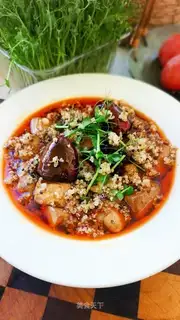
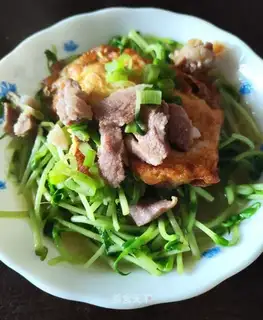
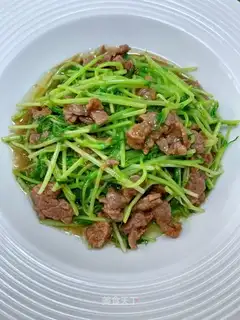
- Stir-fries: Pea shoots cook quickly in stir-fries, retaining their crunch and color. Combine with garlic, ginger, and tofu or shrimp for a quick and healthy meal.
- Steaming: Lightly steam pea shoots for 1–2 minutes to soften them slightly while preserving nutrients. Serve with a drizzle of sesame oil or soy sauce.
- Soups and Stews: Add pea shoots during the last few minutes of cooking to soups like miso or chicken noodle soup, adding a fresh finish.
- Smoothies: Blend a small handful of pea shoots into green smoothies for an extra nutrient kick without overpowering the flavor.
3. Pairing Suggestions
Pea shoots complement a variety of ingredients:
- Proteins: Tofu, chicken, fish, eggs, and shrimp.
- Vegetables: Snow peas, carrots, bell peppers, and mushrooms.
- Dressings and Sauces: Sesame oil, soy sauce, lemon juice, garlic, and ginger.
IV. Precautions and Potential Side Effects
While pea shoots are highly nutritious, certain precautions must be taken to ensure safe consumption, particularly for vulnerable populations.
1. Risk of Contamination
Like all raw leafy greens, pea shoots may be contaminated with harmful bacteria such as E. coli, Salmonella, or Listeria if grown in unsanitary conditions or mishandled. To minimize risk:
- Choose reputable sources: Purchase pea shoots from trusted suppliers or grow them at home using clean soil and water.
- Wash thoroughly: Rinse pea shoots under running water for at least 30 seconds, even if labeled "pre-washed." Use a vegetable brush if needed.
- Avoid cross-contamination: Keep raw pea shoots separate from raw meat or poultry in the kitchen.
2. Oxalate Content
Pea shoots contain moderate amounts of oxalates, naturally occurring compounds that can form kidney stones in susceptible individuals. People with a history of kidney stones should consume pea shoots in moderation and consult a healthcare provider if concerned. Cooking pea shoots can reduce oxalate levels by 10–15%.
3. Allergic Reactions
Though rare, some individuals may be allergic to pea shoots, especially if they have a legume allergy (e.g., peanuts, lentils). Symptoms may include itching, swelling, or difficulty breathing. Those with known legume allergies should avoid pea shoots or consult an allergist before trying them.
4. Blood Thinning Effects
Due to their high vitamin K content, pea shoots may interfere with blood-thinning medications like warfarin. Individuals taking such medications should maintain consistent vitamin K intake and consult their doctor before adding pea shoots to their diet.
V. Conclusion: Pea Shoots as a Nutritional Staple
Pea shoots are a true superfood, offering a dense concentration of vitamins, minerals, antioxidants, and fiber in a low-calorie package. Their health benefits—from immune support to heart health and weight management—make them an excellent addition to a balanced diet. With their culinary versatility, they can be enjoyed raw, cooked, or as a garnish, adding both flavor and nutrients to meals.
However, safety is paramount. Proper washing, sourcing, and mindful consumption are essential to avoid contamination, oxalate-related issues, or allergic reactions. For most people, incorporating pea shoots into a varied diet is a simple yet effective way to enhance overall health. Whether grown at home or purchased from a store, these tender greens are a delicious and nutritious choice that deserves a place in every kitchen.
As the demand for fresh, nutrient-dense foods grows, pea shoots are poised to become a household staple—proof that good things often come in small packages.