Chinese cabbage (Brassica rapa subsp. pekinensis), widely known as Napa cabbage or wombok, is a staple in East Asian cuisine, celebrated for its mild flavor, crisp texture, and versatility. While the leaves often take center stage, the stems—frequently discarded or overlooked—are a nutritional treasure trove. Rich in vitamins, minerals, fiber, and bioactive compounds, cabbage stems offer a host of health benefits, from supporting digestion to boosting immunity. However, like all foods, they must be consumed mindfully to avoid potential drawbacks. This article explores the nutritional profile, health benefits, culinary uses, and precautions associated with cabbage stems, shedding light on why this humble vegetable deserves a place in a balanced diet.
Nutritional Profile of Cabbage Stems
Cabbage stems are low in calories but packed with essential nutrients, making them an excellent addition to weight-management and health-focused diets. A 100-gram serving of raw cabbage stems contains approximately:
- Calories: 20–25 kcal
- Carbohydrates: 4–5 grams (including 1–2 grams of fiber)
- Protein: 1–2 grams
- Fat: Less than 0.5 grams
- Vitamins:
- Vitamin C: 30–40 mg (50–60% of the Daily Value, DV), a potent antioxidant critical for immune function and skin health.
- Vitamin K: 50–60 mcg (50–60% DV), essential for blood clotting and bone metabolism.
- Folate (Vitamin B9): 40–50 mcg (10–15% DV), vital for cell division and DNA synthesis.
- Vitamin B6: 0.1–0.2 mg (8–10% DV), supporting brain function and red blood cell production.
- Minerals:
- Potassium: 150–200 mg (3–5% DV), regulating blood pressure and fluid balance.
- Calcium: 40–50 mg (4–5% DV), important for bone and teeth health.
- Iron: 0.3–0.5 mg (2–3% DV), aiding oxygen transport in the blood.
- Magnesium: 10–15 mg (3–4% DV), supporting muscle and nerve function.
- Bioactive Compounds:
- Glucosinolates: Sulfur-containing compounds with anti-inflammatory and potential anticancer properties. When broken down by enzymes (e.g., myrosinase), they form isothiocyanates, which help detoxify carcinogens.
- Flavonoids: Such as quercetin and kaempferol, antioxidants that combat oxidative stress and reduce inflammation.
- Dietary Fiber: Both soluble (e.g., pectin) and insoluble fiber, promoting gut health and satiety.
Compared to the leaves, cabbage stems are slightly higher in fiber and certain minerals like potassium and calcium, while their vitamin content is comparable. Their crunchy texture also makes them a satisfying alternative to high-calorie snacks.
Health Benefits of Cabbage Stems
The combination of vitamins, minerals, and phytochemicals in cabbage stems contributes to a range of health benefits, backed by scientific research and traditional medicine practices.
1. Supports Digestive Health
Cabbage stems are an excellent source of dietary fiber, which plays a pivotal role in maintaining a healthy digestive system. Insoluble fiber adds bulk to stool, preventing constipation and promoting regular bowel movements. Soluble fiber, on the other hand, acts as a prebiotic, feeding beneficial gut bacteria (e.g., Lactobacillus and Bifidobacterium), which enhance nutrient absorption and reduce inflammation in the gut.
Studies suggest that the fiber in cabbage stems may also alleviate symptoms of digestive disorders like irritable bowel syndrome (IBS) and diverticulosis. Additionally, the glucosinolates in stems have been linked to a reduced risk of colorectal cancer, as they inhibit the growth of harmful bacteria in the colon and protect the intestinal lining.
2. Boosts Immune Function
Vitamin C is a cornerstone of immune health, and cabbage stems are a rich natural source. This antioxidant vitamin stimulates the production and function of white blood cells, which are responsible for fighting infections. It also supports the skin’s barrier function, reducing the risk of pathogen invasion.
The flavonoids in cabbage stems, particularly quercetin, further enhance immune activity by modulating inflammatory responses. Research indicates that quercetin may help reduce the severity and duration of respiratory infections, making cabbage stems a valuable food during cold and flu season.
3. Promotes Heart Health
Cabbage stems contribute to cardiovascular health in multiple ways. Their high potassium content helps regulate blood pressure by counteracting the effects of sodium, a major contributor to hypertension. A diet rich in potassium is associated with a 20% lower risk of stroke, according to the American Heart Association.
The fiber in stems also aids in lowering LDL (“bad”) cholesterol by binding to bile acids (which are made from cholesterol) and excreting them from the body. Furthermore, the antioxidants in cabbage stems reduce oxidative stress in blood vessels, preventing the buildup of plaque and improving circulation.
4. Aids in Weight Management
With just 20–25 calories per 100 grams and a high water content (over 90%), cabbage stems are an ideal food for weight control. The fiber and water content promote satiety, reducing overall calorie intake by curbing hunger. Additionally, their crunchy texture satisfies the desire for “crunchy” snacks, making them a healthier alternative to processed foods like chips or crackers.
5. Supports Bone Health
Cabbage stems provide a modest but significant amount of vitamin K and calcium, two nutrients critical for bone density. Vitamin K activates proteins that help bind calcium to bones, reducing the risk of fractures and osteoporosis. While calcium levels in stems are lower than in dairy products, their combination with vitamin K makes them a valuable plant-based source for bone health, especially for vegetarians and vegans.
6. Anti-Inflammatory and Anticancer Properties
The glucosinolates and flavonoids in cabbage stems exhibit potent anti-inflammatory effects. Chronic inflammation is linked to numerous diseases, including arthritis, diabetes, and cancer. Isothiocyanates derived from glucosinolates inhibit pro-inflammatory enzymes (e.g., COX-2), reducing pain and swelling in conditions like osteoarthritis.
In terms of cancer prevention, laboratory studies have shown that isothiocyanates can suppress the growth of cancer cells in the breast, prostate, and lungs. They also enhance the body’s detoxification pathways by activating enzymes like glutathione S-transferase, which neutralize carcinogens. While human trials are ongoing, regular consumption of cruciferous vegetables like cabbage stems is associated with a lower risk of certain cancers.
Culinary Uses of Cabbage Stems
Despite their nutritional benefits, cabbage stems are often underutilized in cooking. However, their mild, slightly sweet flavor and crunchy texture make them adaptable to a variety of dishes. Here are some popular ways to incorporate them into your meals:
1. Stir-Fries and Salads
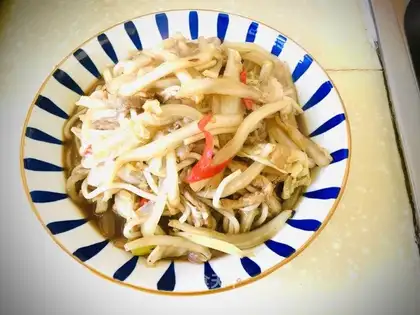
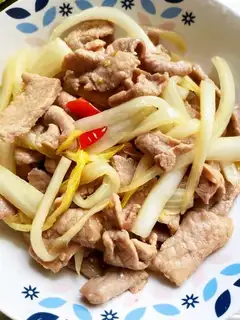
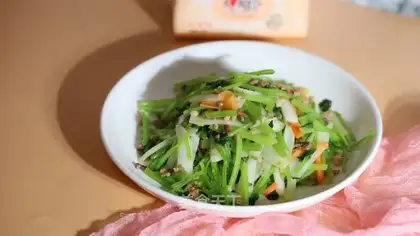
Thinly sliced cabbage stems add crunch to stir-fries, complementing ingredients like garlic, ginger, and soy sauce. They can also be julienned and added to salads for a refreshing texture, especially when paired with tangy dressings (e.g., lemon vinaigrette) or crunchy vegetables like carrots and bell peppers.
2. Soups and Stews
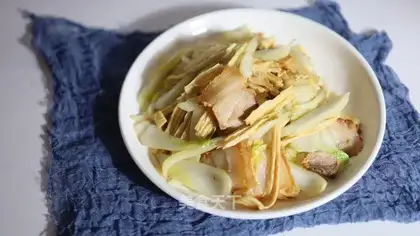
Chopped cabbage stems hold their shape well during cooking, making them ideal for soups, stews, and broths. They absorb flavors from other ingredients while retaining a pleasant crunch, adding depth to dishes like Korean kimchi jjigae (kimchi stew) or Chinese cabbage and pork soup.
3. Pickled and Fermented
Pickled cabbage stems are a popular delicacy in East Asia. They can be marinated in rice vinegar, sugar, and salt (similar to pickled cucumbers) or fermented to make kimchi. Fermented cabbage stems are rich in probiotics, which further support gut health.
4. Juiced or Blended
For a nutrient-packed boost, cabbage stems can be juiced with other vegetables (e.g., carrots, celery) or blended into smoothies. Their mild flavor pairs well with fruits like apples or pears, balancing the earthiness of greens.
5. Stir-Fried with Eggs or Tofu
A simple and quick dish, stir-fried cabbage stems with eggs or tofu is a common household meal in China. The stems are first blanched to reduce bitterness, then stir-fried with garlic and a light soy sauce glaze.
Precautions and Potential Side Effects
While cabbage stems are highly nutritious, certain groups should consume them in moderation or with caution:
1. Goitrogenic Effects
Cabbage stems belong to the cruciferous family, which contains goitrogens—compounds that can interfere with thyroid function by inhibiting the uptake of iodine. Individuals with hypothyroidism or those taking thyroid medication should limit their intake of raw cabbage stems, as cooking significantly reduces goitrogen levels. Steaming, boiling, or stir-frying stems is recommended to minimize this risk.
2. Digestive Discomfort
The high fiber content in cabbage stems may cause bloating, gas, or diarrhea in sensitive individuals, especially when consumed in large quantities. To avoid this, introduce stems gradually into your diet and ensure they are cooked thoroughly, as cooking breaks down fiber and makes it easier to digest.
3. Blood Thinning
Cabbage stems are rich in vitamin K, which plays a role in blood clotting. Individuals taking anticoagulant medications (e.g., warfarin) should maintain consistent vitamin K intake to avoid interactions. While moderate consumption is generally safe, drastic changes in cabbage stem consumption may affect medication efficacy.
4. Pesticide Residues
As with all vegetables, cabbage stems may contain pesticide residues if not grown organically. To minimize exposure, wash stems thoroughly under running water or peel them, especially if sourced from non-organic farms.
5. Allergic Reactions
Though rare, some people may be allergic to cruciferous vegetables, experiencing symptoms like itching, hives, or swelling. Individuals with known allergies to cabbage or other brassicas should avoid cabbage stems.
Conclusion
Cabbage stems are a nutritional powerhouse, offering a wealth of vitamins, minerals, fiber, and bioactive compounds that support digestion, immunity, heart health, and more. Their versatility in cooking—from stir-fries to pickles—makes them an easy and delicious addition to a healthy diet. However, moderation is key, particularly for individuals with thyroid conditions, digestive sensitivities, or those on blood-thinning medications. By incorporating cabbage stems mindfully, you can unlock their full potential and reduce food waste, turning an often-discarded part of the vegetable into a staple of nutritious eating. As the saying goes, “waste not, want not”—and cabbage stems are a perfect example of how overlooked ingredients can surprise us with their benefits.