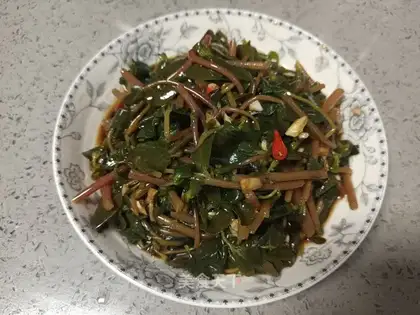
Purslane (Portulaca oleracea), often called "pigweed" or "little hog," is a succulent plant that grows wild across global temperate and tropical regions. For centuries, it has been revered in traditional medicine and cuisine, from ancient Greek and Roman civilizations to traditional Chinese and Mexican diets. Despite its humble appearance, purslane packs a remarkable nutritional profile and offers numerous health benefits. However, like many potent foods, it requires careful preparation and awareness of potential risks. This article explores the nutritional value, health benefits, and precautions associated with purslane, highlighting why this "weed" deserves a place in modern diets.
I. Nutritional Value: A Treasure Trove of Essential Nutrients
Purslane’s nutritional density sets it apart from many common leafy vegetables. It is rich in vitamins, minerals, omega-3 fatty acids, and antioxidants, making it a functional food that supports overall health.
1. Vitamins
Purslane is an exceptional source of fat-soluble and water-soluble vitamins. It contains high levels of vitamin A, as beta-carotene, which is crucial for vision, immune function, and skin health. Just 100 grams of fresh purslane provides approximately 900 IU of vitamin A, covering over 30% of the daily recommended intake.
It is also a powerhouse of vitamin C, a potent antioxidant that boosts collagen production, enhances iron absorption, and strengthens immunity. With around 21 mg per 100 grams, purslane surpasses many vegetables like spinach and lettuce in vitamin C content.
Notably, purslane is one of the few plant-based sources of vitamin B12, though in small amounts. While it cannot replace animal-derived B12, its presence is significant for plant-based diets. Additionally, it provides folate (vitamin B9), essential for DNA synthesis and cell division, and vitamin E, which protects cells from oxidative damage.
2. Minerals
The plant is loaded with essential minerals that support bone health, nerve function, and fluid balance. It is particularly rich in magnesium (68 mg per 100 grams), which regulates muscle and nerve function, blood sugar levels, and blood pressure.
Purslane also contains significant amounts of calcium (65 mg per 100 grams), vital for bone and teeth health, and potassium (494 mg per 100 grams), which helps maintain heart health and fluid balance. Iron (2.5 mg per 100 grams) and manganese (0.4 mg per 100 grams) are present in moderate amounts, supporting oxygen transport and metabolic processes, respectively.
3. Omega-3 Fatty Acids
What truly distinguishes purslane is its high content of omega-3 fatty acids, specifically alpha-linolenic acid (ALA). Unlike most leafy greens, which are low in ALA, purslane contains up to 400 mg per 100 grams—comparable to some fatty fish. Omega-3s are anti-inflammatory and critical for brain health, heart function, and reducing the risk of chronic diseases.
4. Antioxidants and Bioactive Compounds
Purslane is rich in antioxidants, including glutathione, beta-carotene, alkaloids, and flavonoids. These compounds neutralize free radicals, reducing oxidative stress and lowering the risk of chronic conditions like cancer and diabetes. Betalains, pigments found in purslane, also exhibit anti-inflammatory and detoxifying properties.
II. Health Benefits: From Traditional Medicine to Modern Science
The therapeutic potential of purslane has been recognized for millennia, and modern research is now validating many of its traditional uses.
1. Anti-Inflammatory and Antioxidant Properties
Chronic inflammation is linked to heart disease, diabetes, and arthritis. Purslane’s high omega-3 content and antioxidants (such as vitamin E and glutathione) inhibit pro-inflammatory cytokines, reducing inflammation. A 2018 study in Journal of Ethnopharmacology found that purslane extract significantly reduced inflammation in arthritis-induced rats, suggesting its potential as a natural anti-inflammatory agent.
2. Cardiovascular Health
Purslane supports heart health through multiple mechanisms. Its omega-3 fatty acids lower triglycerides, reduce blood pressure, and prevent plaque buildup in arteries. Potassium helps regulate blood pressure by counteracting the effects of sodium. A 2020 study in Phytotherapy Research confirmed that purslane supplementation improved lipid profiles and reduced oxidative stress in patients with dyslipidemia (high cholesterol).
3. Blood Sugar Regulation
Purslane may help manage diabetes by enhancing insulin sensitivity. A 2016 study published in Journal of Medicinal Food demonstrated that purslane extract reduced blood sugar levels in diabetic rats by inhibiting carbohydrate absorption and improving glucose uptake in cells. Its fiber content also slows sugar absorption, preventing spikes in blood glucose.
4. Digestive Health
As a good source of dietary fiber (1.8 grams per 100 grams), purslane promotes healthy digestion by adding bulk to stool and supporting gut bacteria. It also contains mucilage, a soluble fiber that soothes the digestive tract, making it beneficial for conditions like irritable bowel syndrome (IBS) and constipation.
5. Immune System Support
The combination of vitamin C, vitamin A, and antioxidants in purslane strengthens the immune system. Vitamin C stimulates white blood cell production, while vitamin A maintains mucosal barriers (e.g., in the respiratory and digestive tracts), preventing pathogen invasion.
6. Bone Health
Purslane’s calcium, magnesium, and vitamin K content support bone density. Vitamin K, though present in smaller amounts, plays a key role in bone metabolism by aiding calcium absorption and reducing fracture risk.
7. Weight Management
Low in calories (15 kcal per 100 grams) and high in fiber and water, purslane promotes satiety, reducing overall calorie intake. Its nutrient density also ensures that the body receives essential vitamins and minerals while dieting.
III. Precautions and Potential Risks
While purslane is highly nutritious, improper consumption or overconsumption may pose risks, particularly for certain individuals.
1. Oxalate Content
Purslane contains oxalates, compounds that can bind to calcium and form kidney stones in susceptible individuals. People with a history of kidney stones or oxalate-related issues should consume purslane in moderation or avoid it raw. Cooking reduces oxalate levels by 30–50%, making it safer for those at risk.
2. Pesticide Residues
Wild purslane may accumulate pesticides or heavy metals from contaminated soil. Foraging in urban or polluted areas is risky; organic or homegrown purslane is preferable. Store-bought purslane should be thoroughly washed to remove residues.
3. Drug Interactions
Purslane’s high vitamin K content may interfere with blood-thinning medications like warfarin, as vitamin K promotes blood clotting. Individuals on such drugs should consult a doctor before consuming purslane regularly and maintain consistent vitamin K intake.
4. Pregnancy and Breastfeeding
Limited research exists on purslane’s safety during pregnancy. Traditional medicine uses it to induce labor, so pregnant women should avoid it unless advised by a healthcare provider.
5. Overconsumption Side Effects
Eating large amounts of raw purslane may cause digestive discomfort, such as diarrhea or stomach cramps, due to its high fiber and mucilage content. Cooking or consuming it in moderation can mitigate these effects.
IV. Culinary Uses: From Wild Weed to Gourmet Ingredient
Purslane’s tangy, slightly sour flavor and crunchy texture make it a versatile culinary ingredient. It can be eaten raw, cooked, or pickled, adding both flavor and nutrition to dishes.
1. Raw Consumption
Fresh purslane leaves are excellent in salads, sandwiches, or smoothies. Their lemony taste pairs well with tomatoes, cucumbers, feta cheese, and olive oil. For example, a "Mediterranean Purslane Salad" combines chopped purslane, cherry tomatoes, olives, and a lemon-herb dressing for a refreshing, nutrient-rich meal.
2. Cooking Methods
Sautéing purslane with garlic and olive oil softens its texture and enhances its flavor. It can be added to soups, stews, or stir-fries, similar to spinach. In Mexican cuisine, verdolagas (purslane) is used in stews (pipian) and with grilled meats.
3. Pickling and Preserving
Pickled purslane is a popular delicacy in Eastern Europe and the Middle East. The pickling process preserves its crunchiness and tanginess, making it a condiment for meats or sandwiches.
4. Juices and Smoothies
Blending purslane into juices or smoothies boosts their nutrient content. Combining it with fruits like apples, carrots, and ginger creates a detoxifying drink rich in vitamins and antioxidants.
V. Conclusion
Purslane is a nutritional powerhouse that bridges the gap between traditional wisdom and modern nutrition. Its exceptional vitamin, mineral, omega-3, and antioxidant content offers numerous health benefits, from reducing inflammation to supporting heart and digestive health. However, awareness of its oxalate content, pesticide risks, and potential drug interactions is crucial for safe consumption.
As interest in wild, nutrient-dense foods grows, purslane is gaining recognition as a "superfood." Whether foraged or cultivated, it can be easily incorporated into a balanced diet, adding flavor and health benefits to meals. By understanding its nutritional value, benefits, and precautions, individuals can harness purslane’s potential while minimizing risks, making this humble plant a valuable addition to global cuisine and wellness practices.