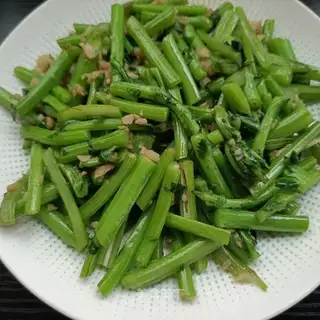
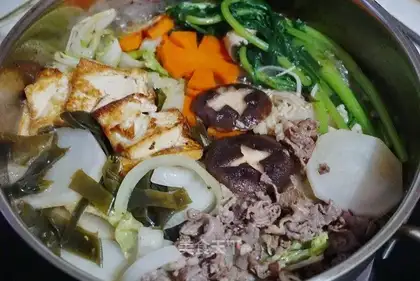
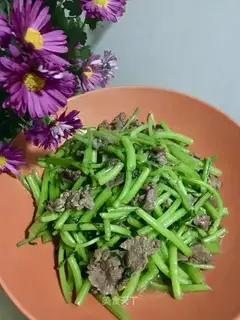
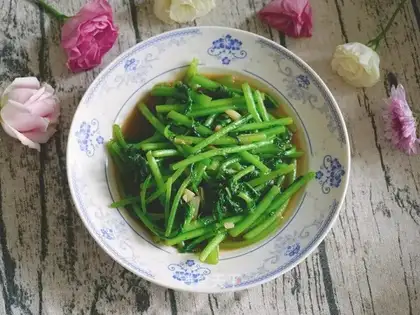
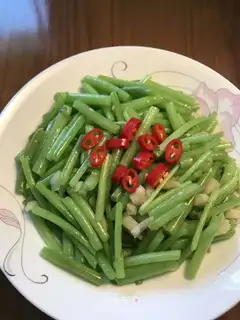
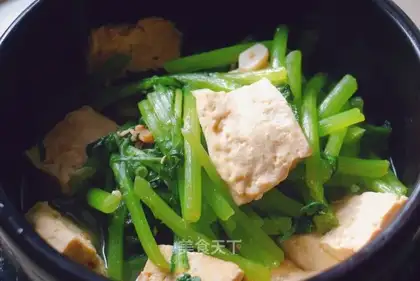
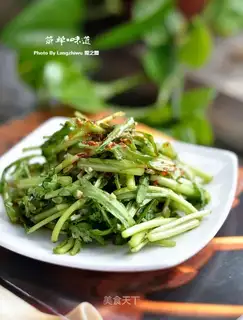
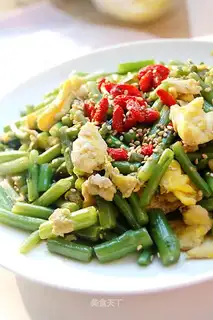
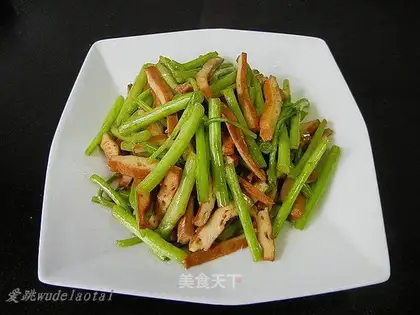
Garland chrysanthemum (Glebionis coronaria), known as tong hao in Chinese or shungiku in Japanese, is a leafy green vegetable with a rich history in East Asian and Mediterranean cuisine. Characterized by its slender, dark green leaves and subtle, herbaceous flavor with a hint of bitterness, this versatile ingredient has transcended cultural boundaries to gain global recognition. Beyond its culinary appeal, garland chrysanthemum is celebrated for its exceptional nutritional profile and array of health benefits. However, like many foods, it requires mindful consumption to avoid potential risks. This article explores the nutritional value, health benefits, and precautions associated with garland chrysanthemum, offering a comprehensive guide for incorporating this "super green" into a balanced diet.
I. Nutritional Value: A Treasure Trove of Essential Nutrients
Garland chrysanthemum stands out among leafy vegetables for its dense concentration of vitamins, minerals, antioxidants, and bioactive compounds. A 100-gram serving of raw garland chrysanthemum provides approximately:
1. Vitamins: Key for Immunity and Metabolism
- Vitamin A (as β-carotene): With around 3,300 IU per 100 grams, it is an excellent source of provitamin A, which converts to retinol in the body. This nutrient is vital for vision, immune function, and skin health.
- Vitamin C: At 30 mg per 100 grams, it surpasses many common vegetables like lettuce and cucumber. Vitamin C acts as a potent antioxidant, supports collagen synthesis, and enhances iron absorption.
- Vitamin K: Providing approximately 300 micrograms (μg), it plays a critical role in blood clotting and bone metabolism. Just one serving meets over 200% of the daily recommended intake.
- Folate (Vitamin B9): Essential for DNA synthesis and cell division, it is particularly important during pregnancy, with 100 grams offering about 110 μg (28% of the daily value).
2. Minerals: Building Blocks for Health
- Calcium: At 150 mg per 100 grams, it contributes to bone and teeth health, though absorption is enhanced by its vitamin C content.
- Iron: With 1.5 mg, it supports oxygen transport in the blood and helps prevent anemia, especially when combined with vitamin C-rich foods.
- Potassium: At 500 mg, it regulates blood pressure, fluid balance, and muscle function.
- Magnesium: A cofactor for over 300 enzymatic reactions, it aids in energy production and nerve function.
3. Antioxidants and Bioactive Compounds
Garland chrysanthemum is rich in polyphenols, flavonoids, and sesquiterpene lactones, which combat oxidative stress. Notably, it contains:
- Chlorogenic Acid: A phenolic acid linked to reduced inflammation and improved blood sugar control.
- Luteolin: A flavonoid with neuroprotective, anti-cancer, and anti-allergic properties.
- β-Carotene and Lutein: Carotenoids that protect against age-related macular degeneration and cataracts.
4. Dietary Fiber and Low Calories
With 2 grams of fiber per 100 grams and only 20 calories, it promotes digestive health, aids satiety, and supports weight management.
II. Health Benefits: From Traditional Medicine to Modern Science
The consumption of garland chrysanthemum has been associated with numerous health benefits, validated by both traditional use and contemporary research.
1. Anti-Inflammatory and Antioxidant Effects
Chronic inflammation is a root cause of many diseases, including heart disease, diabetes, and cancer. Garland chrysanthemum’s high content of luteolin and chlorogenic acid inhibits pro-inflammatory cytokines (e.g., TNF-α and IL-6) and neutralizes free radicals. A 2018 study in Journal of Functional Foods found that extracts from the vegetable reduced oxidative stress in human cells by 40%, highlighting its potential in preventing inflammatory disorders.
2. Cardiovascular Health Support
The potassium and fiber in garland chrysanthemum contribute to heart health by regulating blood pressure and reducing LDL ("bad") cholesterol. A 2020 study published in Nutrients linked regular consumption of leafy greens to a 15% lower risk of coronary heart disease. Additionally, its folate content helps lower homocysteine levels, an amino acid associated with atherosclerosis when elevated.
3. Enhanced Immune Function
The combination of vitamins A, C, and zinc (though present in smaller amounts) bolsters the immune system. Vitamin A maintains the integrity of mucosal barriers (e.g., respiratory and digestive tracts), while vitamin C stimulates white blood cell production. Research in Frontiers in Immunology suggests that flavonoids like luteolin modulate immune responses, reducing the risk of infections.
4. Digestive Health and Detoxification
Dietary fiber promotes regular bowel movements and prevents constipation. Moreover, garland chrysanthemum contains natural prebiotics that nourish beneficial gut bacteria. Traditional Chinese Medicine (TCM) also uses it to "clear heat" and "detoxify the liver," a practice supported by studies showing its ability to enhance liver enzyme activity and reduce toxin accumulation.
5. Bone Health and Osteoporosis Prevention
Vitamin K and calcium are critical for bone mineralization. A 2019 study in Osteoporosis International found that individuals with high vitamin K intake had a 35% lower risk of hip fractures. Garland chrysanthemum’s vitamin K content, combined with its magnesium (which aids calcium absorption), makes it a valuable food for bone density maintenance.
6. Potential Anti-Cancer Properties
Preliminary studies suggest that garland chrysanthemum’s bioactive compounds may inhibit cancer cell growth. Luteolin, in particular, has been shown to induce apoptosis (programmed cell death) in breast and colon cancer cells. While human trials are limited, its antioxidant and anti-inflammatory effects align with cancer prevention strategies.
7. Weight Management and Blood Sugar Control
Low in calories and high in fiber, garland chrysanthemum aids weight management by promoting fullness. Its fiber also slows carbohydrate absorption, preventing blood sugar spikes. A 2021 study in Diabetes Care found that consuming leafy greens reduced the risk of type 2 diabetes by 9% per daily serving.
III. Precautions and Potential Side Effects
While garland chrysanthemum is generally safe for most people, certain precautions must be taken to avoid adverse effects.
1. Oxalate Content and Kidney Stones
Garland chrysanthemum contains moderate levels of oxalates, compounds that can form calcium oxalate kidney stones in susceptible individuals. Those with a history of kidney stones should limit consumption and ensure adequate hydration. Cooking the vegetable reduces oxalate levels by 10–15%.
2. Blood Thinning and Medication Interactions
Due to its high vitamin K content, garland chrysanthemum may interfere with blood-thinning medications like warfarin. Vitamin K promotes clotting, so sudden increases in intake can counteract the effects of anticoagulants. Individuals on such medications should maintain consistent consumption levels and consult their doctor.
3. Pesticide Residues
As a leafy green, garland chrysanthemum is often exposed to pesticides. To minimize risk, choose organic produce when possible, or wash thoroughly under running water for at least 30 seconds. Soaking in a 10% saltwater solution for 10 minutes can further remove residues.
4. Allergic Reactions
Though rare, some individuals may experience allergic reactions, such as skin rashes or respiratory distress, due to sesquiterpene lactones in the plant. Those with allergies to ragweed or chrysanthemums should exercise caution.
5. Pregnancy and Breastfeeding
Pregnant women can consume garland chrysanthemum in moderation for its folate content, but excessive intake of raw leaves may cause mild gastrointestinal discomfort. Breastfeeding women should monitor for any adverse reactions in infants.
6. Hypotension (Low Blood Pressure)
Garland chrysanthemum’s potassium content can lower blood pressure further in individuals on antihypertensive medication. Those with low blood pressure should consume it in moderation and monitor their levels.
IV. Culinary Tips and Serving Suggestions
To maximize the nutritional benefits and minimize risks, consider these preparation methods:
- Cooking: Light steaming or stir-frying reduces oxalates and bitterness while retaining nutrients. Avoid overcooking to preserve vitamins.
- Pairing: Combine with vitamin C-rich foods (e.g., bell peppers, tomatoes) to enhance iron absorption.
- Recipes: Add to soups, stir-fries, salads, or smoothies. For a traditional dish, try Tong Hao with Garlic (a simple stir-fry) or Garland Chrysanthemum Soup with Eggs.
Conclusion
Garland chrysanthemum is a nutritional powerhouse that offers a wide range of health benefits, from reducing inflammation to supporting heart and bone health. Its rich vitamin, mineral, and antioxidant content makes it a valuable addition to a balanced diet. However, mindful consumption is key—particularly for individuals with kidney issues, those on blood thinners, or allergy sufferers. By understanding its nutritional profile, benefits, and precautions, one can harness the full potential of this versatile leafy green while minimizing risks. Whether enjoyed in a warm soup or a fresh salad, garland chrysanthemum exemplifies how food can be both delicious and deeply nourishing.