Introduction
Chinese cabbage, commonly known as bok choy or qingjiangcai (青江菜) in Mandarin, is a leafy green vegetable that has been a staple in Asian cuisine for centuries. Belonging to the Brassica rapa species, it is widely cultivated in China, Southeast Asia, and now globally for its mild flavor, crisp texture, and exceptional nutritional profile. With its dark green leaves and pale, crunchy stalks, bok choy is not only a versatile ingredient in stir-fries, soups, and salads but also a nutritional powerhouse packed with vitamins, minerals, antioxidants, and bioactive compounds. This article delves into the nutritional value of bok choy, its evidence-based health benefits, potential consumption precautions, and practical tips for incorporating it into a balanced diet.
I. Nutritional Value of Bok Choy
Bok choy stands out among leafy vegetables for its dense concentration of essential nutrients while being low in calories, making it an ideal choice for health-conscious individuals. A 100-gram serving of raw bok choy (approximately 1 cup, chopped) provides approximately:
- Calories: 13 kcal
- Carbohydrates: 2.2 g (with 1.5 g of fiber and 1.5 g of natural sugars)
- Protein: 1.5 g
- Fat: 0.2 g
- Water: over 90%
1. Vitamins
Bok choy is an excellent source of fat-soluble and water-soluble vitamins:
- Vitamin K: A 100-gram serving provides ~59% of the Daily Value (DV). Vitamin K is crucial for blood clotting, bone metabolism, and vascular health.
- Vitamin C: Provides ~35% of the DV, acting as a potent antioxidant that supports immune function, skin health, and collagen synthesis.
- Vitamin A: As beta-carotene (a precursor to vitamin A), bok choy offers ~15% of the DV, essential for vision, immune response, and cell growth.
- Folate (Vitamin B9): Provides ~10% of the DV, critical for DNA synthesis, repair, and fetal development during pregnancy.
2. Minerals
- Calcium: Despite being a plant-based source, bok choy provides ~8% of the DV per 100 grams, contributing to bone and teeth health. Its calcium is more bioavailable than that of some other vegetables due to moderate oxalate levels.
- Potassium: A 100-gram serving offers ~6% of the DV, supporting electrolyte balance, blood pressure regulation, and muscle function.
- Iron: Provides ~5% of the DV, which is enhanced by the presence of vitamin C (improves non-heme iron absorption).
- Manganese: A trace mineral (~5% of DV) involved in antioxidant defense, metabolism, and bone formation.
3. Antioxidants and Bioactive Compounds
Bok choy is rich in phytochemicals with potent antioxidant and anti-inflammatory properties:
- Glucosinolates: Compounds like glucobrassicin, unique to cruciferous vegetables, break down into bioactive substances (e.g., indoles, sulforaphane) during digestion or cooking. Sulforaphane, in particular, has been studied for its anti-cancer, anti-inflammatory, and detoxification properties.
- Flavonoids: Quercetin, kaempferol, and anthocyanins (in purple-variety bok choy) combat oxidative stress, reduce inflammation, and may protect chronic diseases.
- Carotenoids: Beta-carotene and lutein support eye health by filtering harmful blue light and reducing the risk of age-related macular degeneration.
II. Health Benefits of Bok Choy
The combination of vitamins, minerals, and phytochemicals in bok choy contributes to a range of health benefits, supported by scientific research:
1. Supports Immune Function
The high vitamin C content (35% DV per 100 grams) enhances immune cell activity and stimulates the production of antibodies and interferons, proteins that help fight infections. Vitamin A also maintains mucosal barriers (e.g., in the respiratory and digestive tracts), preventing pathogen invasion.
2. Promotes Bone Health
Bok choy is a rare plant-based source of vitamin K and calcium, both vital for bone density. Vitamin K activates osteocalcin, a protein that binds calcium to bones, while calcium provides the structural material. Studies suggest regular consumption of cruciferous vegetables may reduce the risk of osteoporosis, especially in postmenopausal women.
3. Aids in Weight Management
With only 13 calories per 100 grams and over 90% water, bok choy is a low-energy-dense food that promotes satiety. Its fiber content (1.5 g per 100 grams) slows digestion, stabilizes blood sugar, and reduces overeating. Additionally, it contains choline, a nutrient that plays a role in fat metabolism.
4. Reduces Chronic Disease Risk
- Cardiovascular Health: Potassium regulates blood pressure by counteracting the effects of sodium, while fiber lowers LDL (“bad”) cholesterol. Antioxidants like quercetin reduce arterial inflammation, improving endothelial function.
- Cancer Prevention: Sulforaphane, derived from glucosinolates, activates phase II detoxification enzymes, neutralizing carcinogens. It also inhibits histone deacetylase (HDAC), enzymes involved in cancer cell proliferation. Population studies link higher cruciferous vegetable intake to a reduced risk of lung, colorectal, and breast cancers.
- Diabetes Management: Fiber and vitamin C improve insulin sensitivity, while sulforaphane may reduce oxidative stress in diabetic patients. A 2018 study in Science Translational Medicine found sulforaphane to lower blood glucose in type 2 diabetics by targeting liver enzymes.
5. Enhances Digestive Health
The fiber in bok choy (both soluble and insoluble) promotes regular bowel movements, prevents constipation, and feeds beneficial gut bacteria (prebiotic effect). This supports a healthy microbiome, linked to improved immunity, mood, and reduced inflammation.
6. Anti-Aging and Skin Benefits
Vitamin C and vitamin A stimulate collagen production, maintaining skin elasticity and reducing wrinkles. Lutein and zeaxanthin protect skin from UV damage, while antioxidants neutralize free radicals, slowing cellular aging.
III. Consumption Precautions and Potential Side Effects
While bok choy is generally safe for most people, certain precautions should be considered to maximize its benefits and avoid adverse effects:
1. Goitrogen Content
Bok choy, like other cruciferous vegetables, contains goitrogens—compounds that interfere with thyroid function by inhibiting iodine uptake. Cooking significantly reduces goitrogen levels (by ~30–50%). Individuals with hypothyroidism or iodine deficiency should consume bok choy in moderation (2–3 times per week) and prefer cooked forms over raw.
2. Blood Thinning Effects
Vitamin K in bok choy promotes blood clotting. People taking anticoagulant medications (e.g., warfarin) should maintain consistent vitamin K intake to avoid drug interactions. Sudden increases in bok choy consumption may reduce the medication’s efficacy.
3. Pesticide Residues
Conventionally grown bok choy may contain pesticide residues. Opting for organic varieties or thoroughly washing under running water (soaking for 10–15 minutes with 1% vinegar solution can further reduce residues) is recommended, especially for pregnant women, children, and individuals with compromised immunity.
4. Digestive Discomfort
High fiber content may cause bloating, gas, or diarrhea in sensitive individuals, especially when consumed in large quantities. Gradually increasing intake and drinking plenty of water can mitigate these effects.
5. Allergic Reactions
Though rare, some individuals may be allergic to bok choy, experiencing symptoms like itching, swelling, or digestive upset. Those with known allergies to other cruciferous vegetables (e.g., broccoli, kale) should exercise caution.
IV. Culinary Uses and Practical Tips
Bok choy’s versatility makes it easy to incorporate into daily meals:
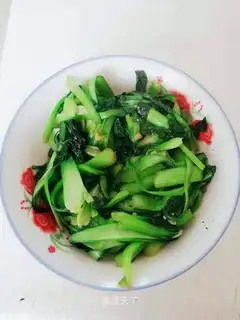
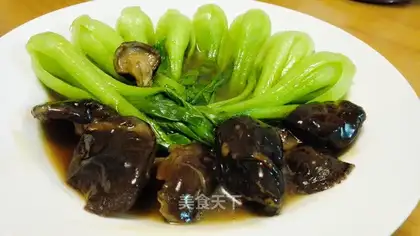
- Cooking Methods: Stir-frying (with garlic and ginger), steaming, braising, or adding to soups and stews. Light cooking preserves nutrients while reducing goitrogens and improving digestibility.
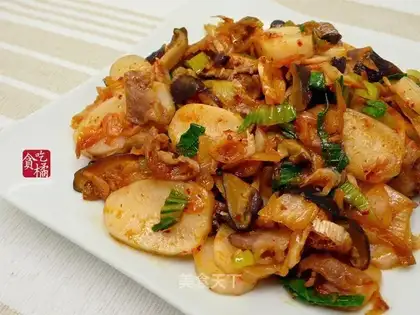
- Pairings: Complements proteins (tofu, chicken, shrimp), grains (rice, noodles), and umami-rich sauces (soy, oyster). Its mild flavor balances bold spices.
- Storage: Keep unwashed bok choy in a plastic bag in the refrigerator for up to 5 days. Avoid washing until ready to use to prevent moisture buildup and spoilage.
- Creative Uses: Add raw leaves to salads for crunch, blend into smoothies for a nutrient boost, or ferment into kimchi for probiotic benefits.
Conclusion
Bok choy is a nutritional dynamite, offering a unique blend of vitamins, minerals, antioxidants, and bioactive compounds that support immune health, bone strength, disease prevention, and weight management. While its goitrogen and blood-thinning properties require caution for specific populations, its benefits far outweigh risks for most individuals when consumed as part of a balanced diet. By understanding its nutritional value, health benefits, and precautions, people can harness the power of this humble vegetable to enhance their well-being. Whether stir-fried, steamed, or raw, bok choy is a delicious and accessible addition to a healthy lifestyle, embodying the principle that “food is medicine.”
Incorporating bok choy into meals is not just a culinary choice but an investment in long-term health—proof that the most unassuming vegetables often hold the greatest potential for vitality.