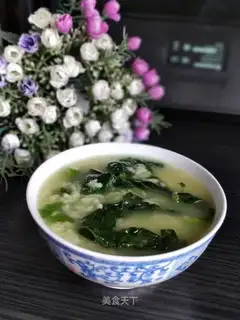
In the ever-evolving landscape of superfoods, one often overlooked green stands out for its remarkable nutritional profile and centuries of medicinal use: Malva verticillata, commonly known as Chinese mallow, cluster mallow, or in Chinese, dong han cai (冬寒菜). This resilient leafy green, a member of the Malvaceae family, has been a staple in traditional Asian diets for millennia, valued not only for its mild, earthy flavor but also for its potent health benefits. As modern science rediscovers ancient foods, Malva verticillata is gaining attention for its rich array of vitamins, minerals, antioxidants, and therapeutic properties. This article delves into the nutritional value, health benefits, and precautions associated with this underappreciated green, shedding light on why it deserves a place in contemporary diets.
I. Nutritional Value: A Treasure Trove of Essential Nutrients
Malva verticillata is often called a "nutritional powerhouse" for good reason. Its leaves, young stems, and even flowers are packed with a diverse range of macronutrients, micronutrients, and bioactive compounds that support overall health.
1. Vitamins: A Concentrated Source of Key Micronutrients
The green is exceptionally rich in vitamins, particularly vitamin A, vitamin C, and vitamin K. A 100-gram serving of fresh Malva verticillata leaves provides approximately 8,000 IU of vitamin A (in the form of beta-carotene), which is over 150% of the daily recommended intake. Vitamin A is crucial for vision, immune function, and skin health, as well as for maintaining the integrity of mucous membranes.
Vitamin C content is equally impressive, with around 60–80 mg per 100 grams—surpassing that of many citrus fruits. This potent antioxidant boosts collagen production, enhances iron absorption, and strengthens the immune system. Additionally, Malva verticillata is a top source of vitamin K, with about 400–500 mcg per 100 grams. Vitamin K plays a vital role in blood clotting and bone metabolism, making this green particularly beneficial for individuals concerned about osteoporosis or cardiovascular health.
2. Minerals: Building Blocks for Bodily Functions
The plant is also a rich source of essential minerals. It contains significant amounts of calcium (up to 300 mg per 100 grams), rivaling dairy products in bioavailability, making it an excellent choice for vegans and those lactose intolerant. Calcium is essential for bone and teeth health, nerve transmission, and muscle contraction.
Iron is another standout mineral, with approximately 5–7 mg per 100 grams. When paired with the high vitamin C content in Malva verticillata, iron absorption is enhanced, addressing concerns about iron deficiency anemia. The green also provides magnesium (important for muscle and nerve function), potassium (for regulating blood pressure and fluid balance), and zinc (for immune support and wound healing).
3. Dietary Fiber and Bioactive Compounds
Malva verticillata is high in dietary fiber, with around 5–7 grams per 100 grams. Fiber promotes digestive health by preventing constipation, supporting gut microbiota, and helping regulate blood sugar levels.
Moreover, the plant contains unique bioactive compounds, including flavonoids (such as quercetin and kaempferol), mucilage, and tannins. Flavonoids are powerful antioxidants that combat oxidative stress and reduce inflammation, while mucilage—a gelatinous substance—soothes the digestive tract and respiratory system. Tannins, though sometimes associated with anti-nutritional effects in large quantities, contribute to the plant’s astringent properties and antimicrobial benefits.
II. Health Benefits: From Traditional Medicine to Modern Wellness
For centuries, Malva verticillata has been used in traditional Chinese medicine (TCM) and other herbal systems to treat a variety of ailments. Modern research is now validating many of these traditional uses, highlighting its potential as a therapeutic food.
1. Supports Digestive Health
One of the most well-documented benefits of Malva verticillata is its ability to alleviate digestive issues. The high mucilage content coats the lining of the stomach and intestines, reducing inflammation and irritation. This makes it particularly effective for treating gastritis, acid reflux, and constipation. In TCM, it is often prescribed to "clear heat from the intestines" and "moisten the bowels," a practice supported by its fiber content, which promotes regular bowel movements.
2. Boosts Immune Function
The combination of vitamin C, vitamin A, and flavonoids makes Malva verticillata a potent immune booster. Vitamin C stimulates the production of white blood cells, while vitamin A maintains the integrity of the skin and mucous barriers—first lines of defense against pathogens. Flavonoids, such as quercetin, have been shown to exhibit antiviral and antibacterial properties, further enhancing the body’s ability to fight infections.
3. Promotes Respiratory Health
Malva verticillata is traditionally used to relieve respiratory conditions like coughs, bronchitis, and sore throats. Its mucilage acts as a demulcent, soothing irritated mucous membranes in the throat and lungs, while its anti-inflammatory properties reduce swelling and discomfort. In some cultures, a tea made from the leaves is used to alleviate asthma symptoms and ease breathing difficulties.
4. Regulates Blood Sugar and Cholesterol
Preliminary studies suggest that Malva verticillata may help manage diabetes and hyperlipidemia (high cholesterol). The fiber content slows down the absorption of sugar in the bloodstream, preventing spikes in blood glucose levels. Flavonoids and other antioxidants have also been linked to reduced LDL ("bad") cholesterol and improved lipid profiles, potentially lowering the risk of cardiovascular disease.
5. Anti-Inflammatory and Antioxidant Effects
Chronic inflammation is a root cause of many modern diseases, including arthritis, diabetes, and cancer. Malva verticillata is rich in antioxidants that neutralize free radicals—unstable molecules that cause oxidative stress and cellular damage. Flavonoids like quercertin and kaempferol have demonstrated potent anti-inflammatory effects, making the green a valuable addition to an anti-inflammatory diet.
6. Supports Skin and Wound Healing
The high vitamin A and C content in Malva verticillata is beneficial for skin health. Vitamin A promotes cell turnover and repair, while vitamin C aids in collagen synthesis, keeping skin firm and elastic. Topical applications of Malva extract have been used in traditional medicine to treat minor wounds, burns, and skin rashes, thanks to its antimicrobial and soothing properties.
III. Precautions and Potential Side Effects
While Malva verticillata is generally safe for consumption when eaten in moderation, there are several precautions to consider, particularly for individuals with specific health conditions or those taking medications.
1. Pregnancy and Breastfeeding
Pregnant and breastfeeding women should exercise caution. Although limited research exists, some herbalists advise avoiding large amounts of Malva verticillata due to its potential uterine-stimulating effects, which could pose risks during pregnancy. It is best to consult a healthcare provider before consuming it in therapeutic doses.
2. Blood Sugar and Blood Pressure Medications
Given its ability to lower blood sugar and cholesterol, individuals taking diabetes or blood pressure medications should monitor their levels closely when consuming Malva verticillata. The plant may enhance the effects of these drugs, leading to hypoglycemia (low blood sugar) or hypotension (low blood pressure).
3. Diuretic Effects
Malva verticillata has mild diuretic properties, meaning it increases urine production. While this can be beneficial for reducing bloating, individuals with kidney problems or those taking diuretic medications should avoid excessive consumption to prevent electrolyte imbalances.
4. Anti-Nutritional Factors
Like many leafy greens, Malva verticillata contains small amounts of oxalates and tannins, which can interfere with mineral absorption (e.g., calcium and iron) if consumed in very large quantities. Individuals with a history of kidney stones (particularly calcium oxalate stones) should limit their intake. Cooking the greens can reduce oxalate levels, making them safer for consumption.
5. Allergic Reactions
While rare, some individuals may be allergic to Malva verticillata, especially those with sensitivities to plants in the Malvaceae family (such as hibiscus or cotton). Symptoms may include skin rashes, itching, or digestive upset. If an allergic reaction occurs, discontinue use immediately.
IV. Culinary Uses and How to Incorporate Malva Verticillata into Your Diet
Malva verticillata is a versatile green that can be prepared in numerous ways, making it easy to incorporate into daily meals. Its mild, slightly sweet flavor and tender texture are reminiscent of spinach or kale, but with a unique mucilaginous quality that adds a silky mouthfeel.
1. Cooking Methods
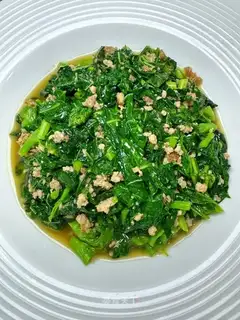
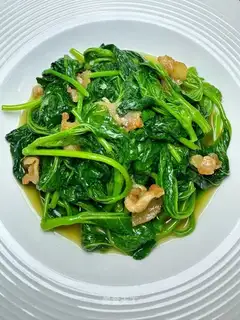
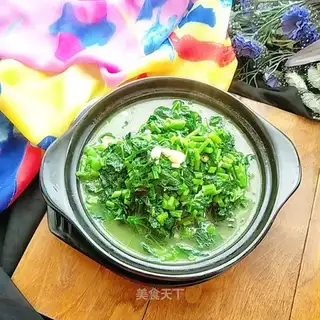
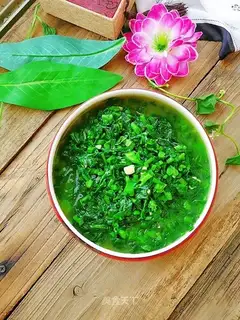
- Stir-frying: Sauté the leaves with garlic, ginger, and a splash of soy sauce for a quick and nutritious side dish.
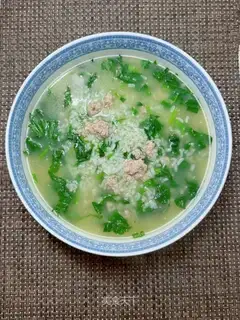
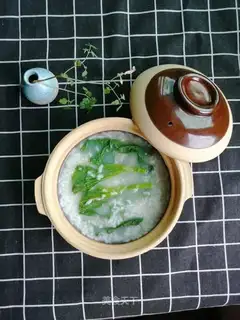
- Soups and Stews: Add the greens to soups, where their mucilage will thicken the broth slightly, adding body and depth.
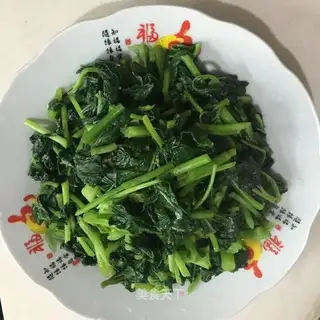
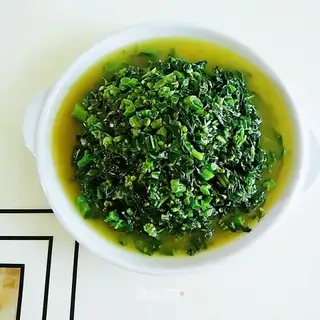
- Steaming or Blanching: Briefly steam or blanch the leaves to retain their nutrients, then toss with olive oil, lemon juice, and herbs.
- Teas: Steep dried leaves in hot water to make a soothing herbal tea, ideal for respiratory or digestive health.
2. Pairings
Malva verticillata pairs well with ingredients that complement its mild flavor:
- Proteins: Tofu, chicken, fish, or beans.
- Grains: Rice, quinoa, or noodles.
- Aromatics: Garlic, ginger, onions, and mushrooms.
- Dressings: Sesame oil, soy sauce, rice vinegar, or tahini.
3. Availability
Fresh Malva verticillata can be found in Asian markets or farmers’ specializing in heirloom varieties. Dried leaves are also available online or in health food stores, making it accessible year-round.
V. Conclusion: A Timeless Superfood for Modern Health
Malva verticillata is a testament to the wisdom of traditional foods, offering a unique blend of nutrition and therapeutic benefits that align with modern health needs. From its immune-boosting vitamins and minerals to its anti-inflammatory and digestive-soothing properties, this humble green is a nutritional powerhouse that deserves recognition in global diets.
While precautions exist for certain populations, its versatility in cooking and gentle efficacy make it a valuable addition to a balanced diet. As we seek natural ways to support health and prevent disease, Malva verticillata stands out as a timeless superfood—one that bridges ancient tradition and contemporary wellness. By embracing this overlooked green, we not only nourish our bodies but also honor the rich cultural heritage of food as medicine.
In a world where processed foods often dominate, Malva verticillata reminds us that the most potent remedies can be found in the simplest, most natural sources. So, the next time you’re at the market, consider picking up a bunch of this remarkable green—your body will thank you.