Introduction
In the vast world of edible wild plants, few have bridged the gap between traditional medicine and modern nutrition as gracefully as Mimi Artemisia (scientifically known as Artemisia anomala or Artemisia lactiflora in some regions). Known by various local names—including "sweet wormwood," "mugwort," or "mi mi hao" in Chinese—this unassuming herb has been a staple in Asian diets and traditional medicine for centuries. Today, as global interest in functional foods and plant-based nutrition grows, Mimi Artemisia is gaining recognition for its exceptional nutrient profile, medicinal properties, and culinary versatility. This article explores the nutritional value of Mimi Artemisia, its evidence-based health benefits, and important considerations for safe consumption, offering a comprehensive guide to this "super herb" of natural wellness.
Nutritional Value: A Treasure Trove of Bioactive Compounds
Mimi Artemisia’s nutritional prowess lies in its dense concentration of vitamins, minerals, antioxidants, and unique phytochemicals that set it apart from common leafy vegetables like spinach or kale.
Vitamins and Minerals
This herb is a natural multivitamin. It is exceptionally rich in vitamin A (as beta-carotene), which is crucial for vision, immune function, and cell growth—just 100 grams of fresh Mimi Artemisia can provide over 100% of the daily recommended intake. It is also packed with vitamin K, essential for blood clotting and bone health, and vitamin C, a potent antioxidant that supports collagen synthesis and immune defense.
Mineral-wise, Mimi Artemisia excels in iron, a critical component of hemoglobin that prevents anemia. Its iron content is comparable to that of spinach, but with the added benefit of being paired with vitamin C, which enhances iron absorption. Additionally, it provides calcium for bone strength, magnesium for muscle and nerve function, and potassium to regulate blood pressure.
Antioxidants and Phytochemicals
What truly elevates Mimi Artemisia is its array of bioactive compounds. It contains high levels of polyphenols, including flavonoids like quercetin and kaempferol, which combat oxidative stress by neutralizing free radicals. These antioxidants have been linked to reduced inflammation and a lower risk of chronic diseases.
Another standout compound is artemisinin, a sesquiterpene lactone with well-documented antimalarial properties. While artemisinin is most concentrated in Artemisia annua (sweet wormwood), Mimi Artemisia contains related compounds with antimicrobial and anti-inflammatory effects. The herb also boasts choline, which supports brain health, and coumarins, which may have anticoagulant and antioxidant properties.
Fiber and Low-Calorie Profile
As a low-calorie, high-fiber food, Mimi Artemisia is ideal for weight management. A 100-gram serving provides just 35 calories but delivers around 5 grams of dietary fiber, promoting digestive health, satiety, and stable blood sugar levels.
Health Benefits: From Traditional Wisdom to Scientific Validation
For centuries, Mimi Artemisia has been used in traditional Chinese medicine (TCM) to treat ailments like digestive disorders, fever, and menstrual irregularities. Modern research is now uncovering the mechanisms behind these traditional uses, confirming its role as a therapeutic food.
1. Anti-Inflammatory and Immune-Boosting Effects
Chronic inflammation is a root cause of many modern diseases, from arthritis to heart disease. Mimi Artemisia’s high antioxidant content, particularly flavonoids and artemisinin, helps suppress pro-inflammatory cytokines (such as TNF-α and IL-6), reducing inflammation throughout the body. Studies suggest that regular consumption may alleviate symptoms of inflammatory conditions like rheumatoid arthritis and improve immune response by enhancing the activity of macrophages and T-cells.
2. Digestive Health Support
In TCM, Mimi Artemisia is valued for its ability to "clear heat" and "support digestion." Modern science confirms this: its fiber content promotes regular bowel movements and feeds beneficial gut bacteria, while its antimicrobial compounds (e.g., artemisinin and flavonoids) inhibit the growth of harmful pathogens like E. coli and Salmonella. This makes it particularly beneficial for individuals with bloating, constipation, or mild infections.
3. Antimicrobial and Antiviral Properties
Artemisinin and other terpenoids in Mimi Artemisia have demonstrated broad-spectrum antimicrobial activity against bacteria, fungi, and viruses. Research shows that extracts from the herb can inhibit the growth of Staphylococcus aureus and even reduce the replication of certain viruses, including herpes simplex virus (HSV). These properties make it a natural adjunct to supporting immune health, especially during cold and flu season.
4. Blood Sugar Regulation
Preliminary studies indicate that Mimi Artemisia may help manage diabetes and prediabetes. Its fiber slows carbohydrate digestion, preventing blood sugar spikes, while polyphenols like quercetin enhance insulin sensitivity. A 2020 study in Journal of Ethnopharmacology found that diabetic rats fed Mimi Artemisia extract had significantly lower fasting blood glucose levels and improved liver function compared to controls.
5. Women’s Health and Hormonal Balance
In TCM, Mimi Artemisia is often prescribed to regulate menstruation and relieve menstrual cramps. Its anti-inflammatory compounds help reduce prostaglandin production, a key driver of uterine pain. Some studies also suggest that it may alleviate symptoms of menopause, such as hot flashes, by modulating estrogen activity. However, more research is needed to confirm these effects in humans.
6. Detoxification and Liver Support
The liver is the body’s primary detoxification organ, and Mimi Artemisia may play a role in supporting its function. Animal studies show that artemisinin can enhance the activity of liver enzymes like glutathione S-transferase, which neutralizes toxins. Additionally, its antioxidant content protects liver cells from damage caused by alcohol, pollutants, or drugs.
Culinary Uses: From Traditional Dishes to Modern Recipes
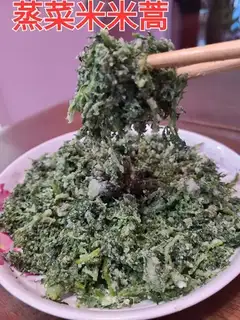
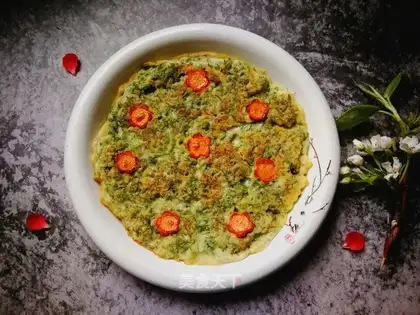
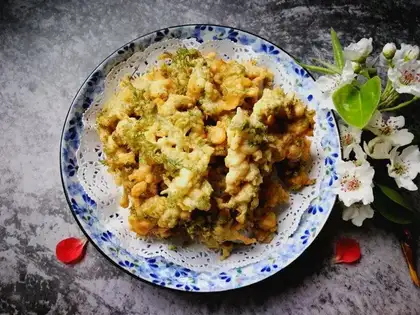
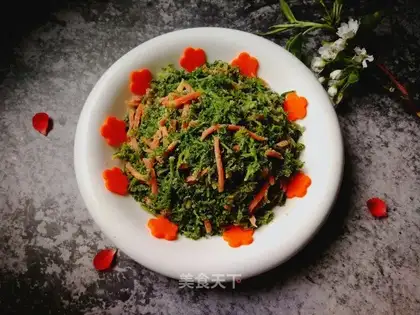
Beyond its health benefits, Mimi Artemisia is a versatile culinary ingredient. Its flavor profile is often described as earthy, slightly bitter, and herbaceous, similar to dandelion greens or tarragon. Here are some popular ways to incorporate it into your diet:
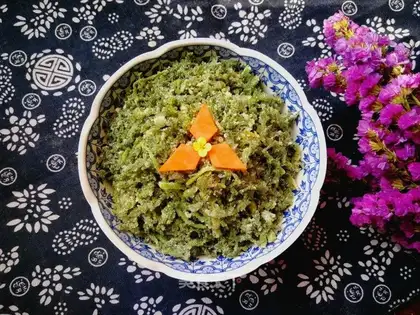
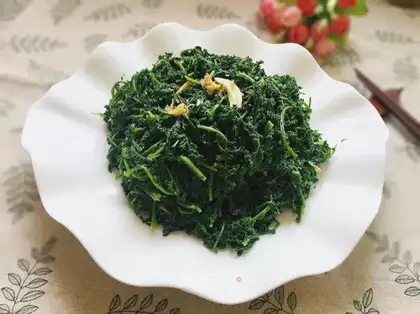
- Stir-fries and Soups: In China, fresh or blanched Mimi Artemisia is commonly stir-fried with garlic, ginger, or tofu, or added to miso soup for a nutrient boost.
- Infusions and Teas: Dried leaves are steeped to make a soothing tea, often combined with ginger or honey to balance bitterness.
- Salads and Smoothies: Young, tender leaves can be minced and added to salads for a peppery kick, or blended into smoothies for a nutrient punch (start with small amounts to adjust to the flavor).
- Herb Pastes and Pesto: In some regions, the leaves are ground into a paste with garlic, nuts, and olive oil, similar to basil pesto.
- Pickled and Fermented: In Korea and parts of China, Mimi Artemisia is pickled or fermented as a side dish, preserving its nutrients and adding a tangy flavor.
Consumption Precautions and Potential Side Effects
While Mimi Artemisia is generally safe when consumed in moderation, it is important to be aware of potential risks, especially for certain populations:
1. Artemisinin and Pregnancy
Artemisinin, while beneficial for its antimicrobial properties, is not recommended during pregnancy. High doses may stimulate uterine contractions or harm the developing fetus. Pregnant women should avoid Mimi Artemisia supplements and consult a healthcare provider before consuming it as a food.
2. Blood Thinning and Surgery
Due to its coumarin content, Mimi Artemisia may have mild anticoagulant effects. Individuals taking blood-thinning medications (e.g., warfarin) or scheduled for surgery should avoid large amounts, as it could increase the risk of bleeding.
3. Allergic Reactions
Those allergic to ragweed, chrysanthemums, or other plants in the Asteraceae family may experience allergic reactions to Mimi Artemisia, including skin rashes, itching, or respiratory symptoms. Start with a small portion to test tolerance.
4. Moderation is Key
Like many bitter herbs, excessive consumption may cause digestive discomfort, such as nausea or diarrhea. Stick to 1–2 servings per week as a food, and avoid long-term high-dose supplementation unless under medical supervision.
5. Quality and Sourcing
When purchasing Mimi Artemisia, choose organic or wild-foraged varieties from reputable sources to avoid contamination with pesticides or heavy metals. If harvesting wild, ensure proper identification, as some species of Artemisia (e.g., Artemisia absinthium) are toxic.
Conclusion: A Timeless Herb for Modern Wellness
Mimi Artemisia is a testament to the wisdom of traditional food systems, offering a unique blend of nutrition, flavor, and medicinal benefits. From its rich vitamin and mineral content to its anti-inflammatory, antimicrobial, and blood-sugar-regulating properties, this herb has earned its place as a "superfood" for the 21st century.
As scientific research continues to validate its traditional uses, Mimi Artemisia is poised to become a staple in health-conscious diets worldwide. However, like all powerful natural remedies, it should be consumed with awareness and respect for its potential risks. By incorporating this humble herb into meals mindfully, we can tap into its ancient healing power while enjoying its delicious, earthy flavors—proving that the most nourishing foods are often those that have stood the test of time.
Whether brewed as a tea, sautéed as a side dish, or blended into a smoothie, Mimi Artemisia invites us to reconnect with nature’s pharmacy and embrace a more holistic approach to health—one leaf at a time.