Chayote, scientifically known as Sechium edule, is a versatile and nutrient-rich vegetable belonging to the gourd family (Cucurbitaceae). Native to Mesoamerica and widely cultivated in tropical and subtropical regions, it goes by many names, including "vegetable pear," "chayote squash," or "mirliton." With its mild flavor, crisp texture, and adaptability to various cuisines, chayote has become a staple in global diets. Beyond its culinary appeal, this unassuming vegetable is packed with essential nutrients, offering a range of health benefits. However, like all foods, it must be consumed mindfully to avoid potential side effects. This article explores the nutritional profile, health benefits, culinary uses, and precautions associated with chayote, providing a comprehensive guide for incorporating this "superfood" into a balanced diet.
I. Nutritional Profile of Chayote
Chayote is a low-calorie vegetable, making it an excellent choice for weight management and healthy eating. A 100-gram serving of raw chayote contains approximately 16–18 calories, 0.1 grams of fat, 3.8 grams of carbohydrates, and 1.2 grams of fiber. It is also a good source of plant-based protein, with around 0.7–1 gram per serving.
1. Vitamins
Chayote is rich in vitamins that support overall health:
- Vitamin C: A 100-gram serving provides about 7.7–13.5 mg of vitamin C, roughly 10–15% of the daily recommended intake. This antioxidant boosts immune function, aids collagen synthesis, and enhances iron absorption.
- Folate (Vitamin B9): With 93 mcg per 100 grams, chayote is a valuable source of folate, essential for DNA synthesis, cell division, and fetal development during pregnancy.
- Vitamin K: It contains around 5.3 mcg of vitamin K per 100 grams, which plays a critical role in blood clotting and bone metabolism.
- B Vitamins: Chayote also provides small amounts of vitamin B6, riboflavin (B2), and niacin (B3), which support energy production and nervous system health.
2. Minerals
The vegetable is a good source of essential minerals:
- Potassium: A 100-gram serving contains about 125 mg of potassium, which helps regulate blood pressure, fluid balance, and muscle function.
- Manganese: Chayote provides 0.1 mg of manganese per 100 grams, a mineral that acts as a cofactor for enzymes involved in antioxidant defense and bone formation.
- Copper and Zinc: Trace amounts of these minerals support immune function and wound healing.
3. Antioxidants and Phytochemicals
Chayote is loaded with antioxidants that combat oxidative stress and inflammation:
- Flavonoids: Compounds like quercetin and kaempferol reduce inflammation and protect against chronic diseases.
- Polyphenols: These compounds have been linked to a lower risk of heart disease and certain cancers.
- Vitamin C and Manganese: Work synergistically to neutralize free radicals, preventing cellular damage.
4. Dietary Fiber
With 1.2 grams of fiber per 100 grams, chayote promotes digestive health by adding bulk to stool, preventing constipation, and feeding beneficial gut bacteria. The fiber also helps stabilize blood sugar levels, making it suitable for people with diabetes.
II. Health Benefits of Chayote
The combination of nutrients and bioactive compounds in chayote contributes to a range of health benefits, from improved digestion to enhanced immunity.
1. Supports Weight Management
Chayote’s low calorie and high fiber content make it an ideal food for weight loss. Fiber promotes satiety, reducing overall calorie intake, while its water content (over 90%) helps keep you hydrated and full. Additionally, chayote is low in fat, making it a healthy alternative to higher-calorie vegetables.
2. Promotes Heart Health
The potassium in chayote helps lower blood pressure by counteracting the effects of sodium, reducing the risk of hypertension and stroke. Its fiber content also helps lower LDL ("bad") cholesterol levels, preventing plaque buildup in arteries. Furthermore, flavonoids and vitamin C reduce inflammation and oxidative stress, which are key contributors to heart disease.
3. Regulates Blood Sugar Levels
Chayote’s low glycemic index (GI) and high fiber content make it a diabetes-friendly food. Fiber slows down the absorption of sugar in the bloodstream, preventing spikes in blood glucose levels. Studies suggest that compounds in chayote may also improve insulin sensitivity, helping to manage type 2 diabetes.
4. Boosts Immune Function
Vitamin C is a cornerstone of immune health, and chayote provides a modest yet significant amount of this nutrient. Vitamin C stimulates the production of white blood cells, which are essential for fighting infections. Additionally, its antioxidant properties protect immune cells from damage caused by free radicals.
5. Enhances Digestive Health
The fiber in chayote supports a healthy digestive system by promoting regular bowel movements and preventing constipation. It also acts as a prebiotic, nourishing beneficial gut bacteria like Lactobacillus and Bifidobacterium, which play a key role in digestion, immunity, and overall gut health.
6. Supports Skin and Bone Health
Vitamin C in chayote is essential for collagen production, a protein that keeps skin firm, elastic, and youthful. It also aids in wound healing and protects against UV-induced skin damage. Meanwhile, vitamin K and manganese contribute to bone health by supporting bone mineralization and reducing the risk of osteoporosis.
7. Anti-Inflammatory and Anticancer Properties
Chayote’s flavonoids and polyphenols have potent anti-inflammatory effects, which may help reduce the risk of chronic diseases like arthritis, diabetes, and heart disease. Some studies suggest that these compounds may also inhibit the growth of cancer cells. For example, chayote extract has been shown to induce apoptosis (programmed cell death) in breast and colon cancer cells in laboratory studies. However, more research is needed to confirm these effects in humans.
III. Culinary Uses of Chayote
Chayote’s mild, slightly sweet flavor and crisp texture make it a versatile ingredient in a wide range of dishes. It can be eaten raw, cooked, or pickled, and adapts well to various cooking methods, including steaming, boiling, sautéing, and grilling.
1. Raw Consumption
Young, tender chayotes can be eaten raw in salads, slaws, or smoothies. They add a crunchy texture and mild flavor, similar to cucumber or jicama. To prepare raw chayote, peel it, remove the seed (if large), and slice or dice it.
2. Cooking Methods
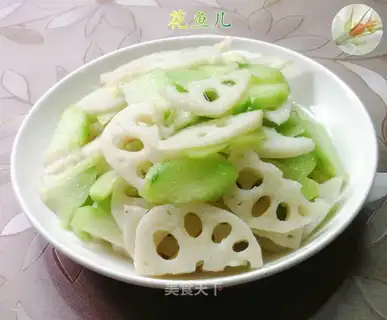
- Steaming or Boiling: Chayote can be steamed or boiled and served as a side dish, seasoned with herbs, garlic, or lemon juice. It also pairs well in soups and stews, where it absorbs the flavors of other ingredients.
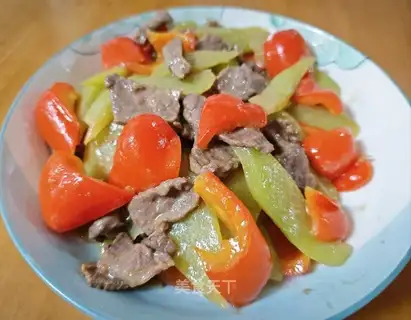
- Sautéing or Stir-Frying: Sliced chayote can be sautéed with onions, peppers, and spices for a quick and healthy side dish. It also works well in stir-fries with tofu, chicken, or shrimp.
- Grilling or Roasting: Cut chayote into wedges and grill or roast with olive oil, salt, and pepper for a caramelized, nutty flavor.
- Stuffed: Chayote halves can be scooped out, stuffed with a mixture of rice, vegetables, and meat, and baked for a hearty main course.
3. Global Cuisines
- Latin America: In Mexico and Central America, chayote is used in sopa de chayote (chayote soup) and rellenos de chayote (stuffed chayote). It is also pickled with onions and lime juice as a condiment.
- Asia: In the Philippines, chayote (sayote) is stir-fried with pork or shrimp, added to sinigang (a sour soup), or used in salads. In India, it is often cooked with spices like cumin and turmeric.
- United States: In Cajun cuisine, chayote (known as "mirliton") is a key ingredient in dishes like mirliton stuffing during the holidays.
4. Chayote Leaves and Seeds
The leaves of the chayote plant are edible and can be used like spinach in soups or stir-fries. The seeds are also edible and can be roasted as a snack or ground into flour. However, large seeds should be removed before cooking, as they can be hard and bitter.
IV. Precautions and Potential Side Effects
While chayote is generally safe for most people, there are a few precautions to keep in mind:
1. Allergic Reactions
Some individuals may be allergic to chayote, especially those with allergies to other gourds like cucumbers or zucchini. Symptoms of an allergic reaction include itching, hives, swelling, or difficulty breathing. If you experience these symptoms, stop consuming chayote immediately and seek medical attention.
2. Digestive Issues
Chayote’s high fiber content may cause bloating, gas, or diarrhea in some people, especially if consumed in large amounts. To avoid this, start with small portions and gradually increase your intake. Cooking chayote can also make it easier to digest.
3. Interaction with Medications
Chayote is high in vitamin K, which plays a role in blood clotting. If you are taking blood-thinning medications like warfarin, it is important to maintain consistent vitamin K intake to avoid interactions. Consult your doctor or a registered dietitian before adding chayote to your diet if you are on such medications.
4. Toxicity Concerns
Chayote belongs to the gourd family, and some gourds contain toxic compounds like cucurbitacins, which can cause nausea, vomiting, or abdominal pain. However, commercially grown chayote is generally safe to eat, as these compounds are rare in cultivated varieties. Avoid wild or bitter-tasting chayotes, as they may contain higher levels of cucurbitacins.
5. Pregnancy and Breastfeeding
Chayote is safe for most pregnant and breastfeeding women when consumed in moderation, as it is a good source of folate and other nutrients. However, excessive consumption should be avoided, as it may cause digestive discomfort. Always consult your healthcare provider before making significant dietary changes during pregnancy or breastfeeding.
V. Conclusion
Chayote is a nutritional powerhouse that offers a wide range of health benefits, from supporting weight management and heart health to boosting immunity and promoting digestion. Its versatility in the kitchen makes it easy to incorporate into a variety of dishes, from salads to stir-fries. While it is generally safe for most people, it is important to consume it in moderation and be mindful of potential allergies or interactions with medications.
By including chayote in your diet, you can enjoy its mild flavor and reap its numerous health benefits. Whether you are looking to improve your overall health, manage a medical condition, or simply add variety to your meals, chayote is a delicious and nutritious choice that deserves a place on your plate. As with any food, balance and moderation are key to maximizing its benefits while minimizing risks. So, the next time you’re at the grocery store, consider picking up a chayote and exploring its culinary and health potential!