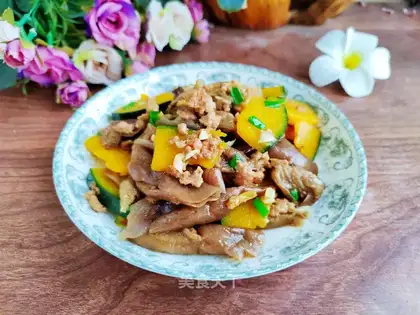
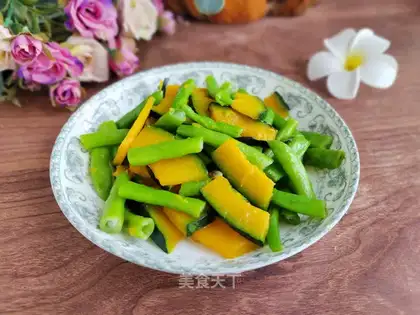
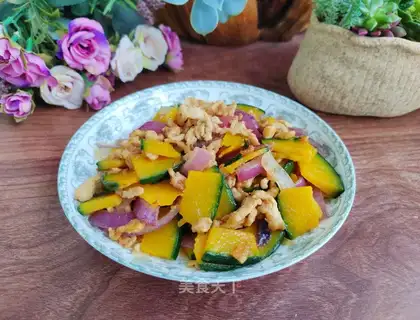
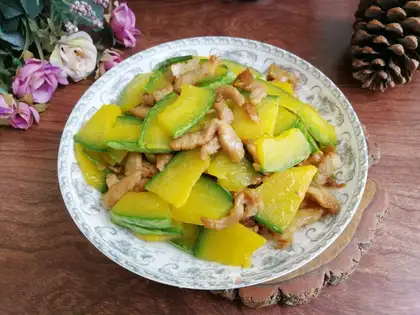
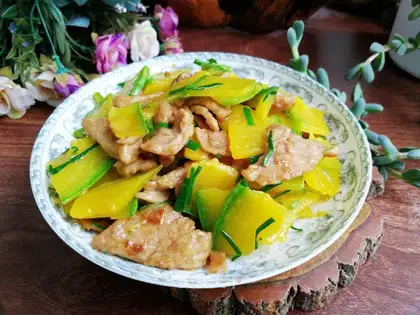
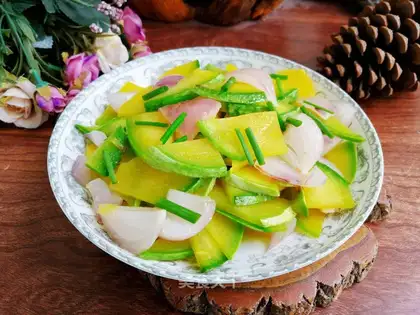
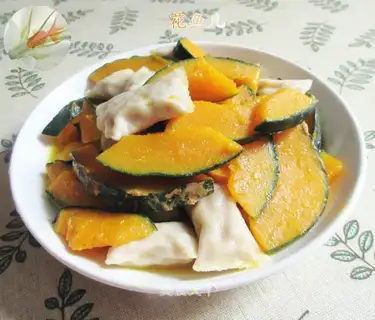
When it comes to versatile and nutrient-dense ingredients, the Japanese pumpkin, known as kabocha (カボチャ) in Japan, stands out as a beloved staple in both traditional and modern cuisine. With its vibrant green skin, sweet, nutty flesh, and creamy texture when cooked, this winter squash is not only a culinary delight but also a nutritional treasure trove. Native to Central America and cultivated extensively in Japan for centuries, kabocha has earned its reputation as a "superfood" due to its impressive array of vitamins, minerals, antioxidants, and health-promoting compounds. This article explores the nutritional profile of Japanese pumpkin, its scientifically backed health benefits, and important considerations for consumption to ensure safe and optimal use.
Nutritional Profile of Japanese Pumpkin
Japanese pumpkin is a low-calorie, high-nutrient food that packs a punch of essential vitamins, minerals, and dietary fiber. A 100-gram serving of cooked kabocha (without skin) contains approximately:
- Calories: 45 kcal
- Carbohydrates: 10 g (including 2–3 g of fiber)
- Protein: 1 g
- Fat: 0.1 g
- Vitamins:
- Vitamin A: As beta-carotene (provitamin A), providing over 100% of the daily recommended intake (DRI). Beta-carotene is converted into vitamin A in the body, crucial for vision, immune function, and cell growth.
- Vitamin C: An antioxidant that supports immune health, collagen synthesis, and iron absorption (about 20% of DRI per 100 g).
- Vitamin B6: Important for metabolism and brain function (10–15% of DRI).
- Vitamin E: A fat-soluble antioxidant that protects cells from oxidative damage.
- Minerals:
- Potassium: A key electrolyte for regulating blood pressure and fluid balance (over 300 mg per 100 g, more than a banana).
- Manganese: Supports bone health, metabolism, and antioxidant defenses (15–20% of DRI).
- Copper: Essential for iron absorption and energy production.
- Phytonutrients: Kabocha is rich in antioxidants like beta-carotene, lutein, zeaxanthin, and cucurbitacins, which combat inflammation and oxidative stress.
Unlike many other squashes, kabocha has a lower glycemic index (GI) of around 60, making it a suitable option for moderate blood sugar control when consumed in appropriate portions.
Health Benefits of Japanese Pumpkin
The combination of nutrients in kabocha contributes to a wide range of health benefits, from supporting immune function to reducing the risk of chronic diseases.
1. Enhances Immune Function
Vitamin A and C are cornerstones of a healthy immune system. Vitamin A maintains the integrity of mucosal barriers (e.g., in the respiratory and digestive tracts), preventing pathogen invasion, while vitamin C stimulates the production and activity of white blood cells, enhancing the body’s ability to fight infections. The beta-carotene in kabocha also acts as an antioxidant, reducing inflammation that can weaken immune responses.
2. Supports Vision and Eye Health
Kabocha is exceptionally high in beta-carotene and lutein/zeaxanthin, two compounds critical for eye health. Beta-carotene is converted to vitamin A, which is essential for low-light vision and preventing night blindness. Lutein and zeaxanthin, on the other hand, accumulate in the retina and protect against age-related macular degeneration (AMD) and cataracts by filtering harmful blue light and neutralizing free radicals. Regular consumption of kabocha may help maintain sharp vision as we age.
3. Regulates Blood Sugar and Improves Diabetes Management
Despite its natural sweetness, kabocha is a diabetes-friendly food. Its high fiber content slows down carbohydrate digestion, preventing rapid spikes in blood sugar. Additionally, studies suggest that certain compounds in kabocha, such as polysaccharides, may enhance insulin sensitivity, allowing cells to use glucose more efficiently. A 2016 study published in Journal of Medicinal Food found that kabocha extract reduced blood glucose levels in diabetic rats, highlighting its potential as a complementary dietary approach for managing type 2 diabetes.
4. Promotes Digestive Health
With 2–3 grams of fiber per 100 grams, kabocha supports digestive regularity by adding bulk to stool and feeding beneficial gut bacteria. The fiber also helps prevent constipation and promotes a healthy gut microbiome, which is linked to improved immunity, mood, and overall metabolic health. Moreover, kabocha contains pectin, a soluble fiber that can lower cholesterol levels by binding to bile acids in the digestive tract and excreting them from the body.
5. Aids in Weight Management
Kabocha is a low-calorie, high-satiety food that can help with weight control. Its fiber and water content promote feelings of fullness, reducing overall calorie intake. For example, replacing higher-calorie side dishes (e.g., mashed potatoes or rice) with steamed kabocha can lower calorie consumption while providing essential nutrients. Additionally, the B vitamins in kabocha play a role in metabolism, helping the body convert food into energy more efficiently.
6. Reduces Inflammation and Oxidative Stress
Chronic inflammation and oxidative stress are underlying factors in many diseases, including heart disease, cancer, and arthritis. Kabocha is rich in antioxidants like beta-carotene, vitamin C, and cucurbitacins, which neutralize free radicals and inhibit pro-inflammatory enzymes. A 2020 study in Food & Function found that kabocha extract reduced inflammatory markers in human cells, suggesting its potential in preventing inflammation-related conditions.
7. Supports Heart Health
The potassium in kabocha helps regulate blood pressure by counteracting the effects of sodium, a key factor in hypertension. Fiber and pectin further contribute to heart health by lowering LDL ("bad") cholesterol and reducing arterial plaque buildup. Combined with its low-fat content, kabocha is an excellent dietary choice for maintaining cardiovascular health.
Culinary Uses and Preparation Tips
Kabocha’s versatility in the kitchen makes it easy to incorporate into a healthy diet. It can be:
- Steamed or boiled: Simple steaming preserves nutrients and enhances its natural sweetness.
- Roasted: Tossing cubed kabocha with olive oil and herbs (e.g., rosemary or thyme) creates a delicious side dish.
- Mashed: A low-carb alternative to mashed potatoes, seasoned with garlic and a touch of butter.
- Added to soups or stews: Its creamy texture thickens soups while adding nutrients.
- Used in desserts: Kabocha’s natural sweetness makes it ideal for pies, puddings, or tempura (a popular Japanese snack).
To maximize nutrient retention, avoid overcooking kabocha; steaming or roasting until tender (but not mushy) is ideal. The skin is edible when cooked and contains additional fiber, so it can be left on for extra nutritional benefits.
Precautions and Potential Side Effects
While Japanese pumpkin is generally safe for most people, certain precautions should be taken:
1. High Vitamin A Content: Risk of Toxicity
Kabocha is extremely high in beta-carotene, which is converted to vitamin A. While vitamin A toxicity (hypervitaminosis A) is rare from food sources, excessive consumption of kabocha (especially in supplement form) may lead to symptoms such as nausea, dizziness, and skin discoloration (carotenodermia, a harmless yellowing of the skin). Pregnant women should consult their doctor before consuming large amounts, as excessive vitamin A may harm fetal development.
2. Oxalates and Kidney Stones
Kabocha contains moderate levels of oxalates, compounds that can contribute to kidney stone formation in susceptible individuals. Those with a history of calcium oxalate kidney stones should limit their intake and ensure adequate hydration.
3. Blood Sugar Considerations
While kabocha has a low GI, its carbohydrate content can still affect blood sugar levels. Diabetics should monitor their portions and pair it with protein or healthy fats to minimize blood sugar spikes.
4. Pesticide Residues
As with many fruits and vegetables, kabocha may contain pesticide residues if not grown organically. Washing thoroughly or choosing organic varieties can reduce exposure.
Conclusion
Japanese pumpkin is a nutritional powerhouse that offers a multitude of health benefits, from boosting immunity and supporting vision to regulating blood sugar and promoting heart health. Its rich profile of vitamins, minerals, fiber, and antioxidants makes it a valuable addition to a balanced diet. While it is generally safe for consumption, moderation is key, especially for individuals with specific health conditions such as kidney disease or diabetes. By incorporating kabocha into meals mindfully, one can enjoy its delicious flavor while reaping its remarkable health rewards. Whether steamed, roasted, or mashed, this humble squash is a testament to the idea that good taste and good health can go hand in hand.