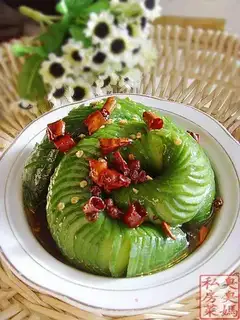
Cucumbers, often dismissed as mere "garnish," are in fact nutritional powerhouses with a rich history dating back over 3,000 years. Originating in India, this versatile member of the Cucurbitaceae family has traveled the globe, becoming a staple in salads, sandwiches, pickles, and even beauty regimens. Among its many varieties, the mini cucumber—also known as the "gherkin" or "pickling cucumber"—stands out for its crisp texture, mild flavor, and concentrated nutrients. This article explores the nutritional profile of mini cucumbers, their evidence-based health benefits, and important precautions to maximize their advantages while minimizing risks.
I. Nutritional Value of Mini Cucumbers
Mini cucumbers are low in calories yet packed with essential vitamins, minerals, and bioactive compounds, making them an ideal addition to a balanced diet. A 100-gram serving (approximately 5–6 mini cucumbers) contains roughly 15 calories, 95% water, and the following key nutrients:
1. Vitamins
- Vitamin K: Critical for blood clotting and bone metabolism, mini cucumbers provide about 16 micrograms (mcg) per 100 grams, covering 13% of the daily recommended intake (DRI). This vitamin activates proteins necessary for bone mineralization, reducing fracture risk.
- Vitamin C: A potent antioxidant, vitamin C (3.2 mg per 100g) supports immune function, collagen synthesis, and skin health. While not as abundant as in citrus fruits, its contribution to daily intake is notable, especially in raw diets.
- Folate (Vitamin B9): Essential for DNA synthesis and cell division, mini cucumbers offer 7 mcg per 100g. Adequate folate intake is particularly important during pregnancy to prevent neural tube defects.
2. Minerals
- Potassium: With 147 mg per 100g, mini cucumbers are a good source of this electrolyte, which regulates blood pressure, fluid balance, and muscle contractions. Potassium counteracts the effects of sodium, making it beneficial for cardiovascular health.
- Magnesium: Involved in over 300 enzymatic reactions, magnesium (13 mg per 100g) supports energy production, nerve function, and blood sugar control.
- Manganese: A trace mineral (0.1 mg per 100g) that acts as a cofactor for antioxidant enzymes like superoxide dismutase, protecting cells from oxidative damage.
3. Bioactive Compounds
- Cucurbitacins: Bitter-tasting compounds found in the skin and seeds, cucurbitacins have studied anti-inflammatory and anticancer properties. Though present in small amounts, they may inhibit tumor growth by blocking cancer cell proliferation.
- Lignans: Such as pinoresinol, lignans are phytoestrogens with antioxidant and estrogen-regulating effects. Research links high lignan intake to a reduced risk of hormone-related cancers, including breast and prostate cancer.
- Fiber: Mini cucumbers contain 0.5 grams of fiber per 100g, mostly in the skin. While not a high-fiber food, their water content (95%) and fiber combination aids digestion and promotes satiety.
II. Evidence-Based Health Benefits
The unique nutrient profile of mini cucumbers translates to a range of health benefits, supported by scientific research:
1. Hydration and Electrolyte Balance
Mini cucumbers are 95% water, making them one of the most hydrating foods. Proper hydration is vital for temperature regulation, nutrient transport, and waste removal. A study in the Journal of Strength and Conditioning Research found that consuming water-rich foods like cucumbers can improve hydration status more effectively than drinking water alone, as they also provide electrolytes like potassium and magnesium. This is particularly beneficial for athletes or individuals in hot climates.
2. Antioxidant and Anti-Inflammatory Effects
The antioxidants in mini cucumbers—including vitamin C, cucurbitacins, and lignans—neutralize free radicals, unstable molecules that cause oxidative stress and chronic diseases. A 2019 study in Phytotherapy Research highlighted that cucurbitacins inhibit the NF-κB pathway, a key driver of inflammation. Regular consumption may thus reduce inflammation linked to conditions like arthritis, heart disease, and diabetes.
3. Digestive Health
Mini cucumbers support digestion through their fiber and water content. Fiber adds bulk to stool, preventing constipation, while water softens it, ensuring smooth bowel movements. Additionally, the skin contains insoluble fiber, which acts as a prebiotic, feeding beneficial gut bacteria. A healthy gut microbiome is associated with improved immunity, mood, and even weight management.
4. Blood Sugar Regulation
With a low glycemic index (GI) of 15, mini cucumbers have minimal impact on blood sugar levels. Their fiber content slows carbohydrate absorption, preventing spikes in glucose. A 2020 study in Nutrients found that high vegetable intake, including cucumbers, is associated with a 21% lower risk of type 2 diabetes. The magnesium in mini cucumbers also enhances insulin sensitivity, further aiding blood sugar control.
5. Weight Management
Low in calories and high in water and fiber, mini cucumbers are a "high-volume, low-calorie" food that promotes satiety. Including them in meals can reduce overall calorie intake without sacrificing fullness. A study in Appetite showed that consuming a low-calorie, high-water salad before a meal decreased subsequent calorie consumption by 12%, making mini cucumbers a valuable tool for weight loss.
6. Skin and Hair Health
Topical application of cucumber juice is a common beauty hack, but consuming mini cucumbers also benefits skin. Vitamin C supports collagen production, keeping skin firm and elastic, while potassium hydrates skin cells from within. The silica in cucumbers (a trace mineral) strengthens hair and nails, reducing brittleness. A 2015 review in Dermatology and Therapy noted that cucumber extracts protect skin from UV damage due to their antioxidant content.
III. Precautions and Potential Risks
While mini cucumbers are generally safe, certain precautions should be taken to avoid adverse effects:
1. Pesticide Residues
Non-organic cucumbers are often treated with pesticides, which may accumulate in the skin. To minimize exposure, wash thoroughly under running water or peel them. Opting for organic mini cucumbers reduces pesticide risk, though washing is still recommended.
2. Digestive Discomfort
Mini cucumbers contain fructans, a type of FODMAP (fermentable oligosaccharides, disaccharides, monosaccharides, and polyols) that can cause bloating, gas, and diarrhea in individuals with irritable bowel syndrome (IBS) or sensitive digestive systems. Those with IBS should consume cucumbers in moderation and monitor symptoms.
3. Allergic Reactions
Though rare, cucumber allergies can occur, particularly in individuals allergic to ragweed or pollen (oral allergy syndrome). Symptoms include itching, swelling of the mouth, or hives. Severe reactions (anaphylaxis) are uncommon but require immediate medical attention.
4. Interaction with Blood Thinners
Mini cucumbers are high in vitamin K, which plays a key role in blood clotting. Individuals taking anticoagulant medications like warfarin should maintain consistent vitamin K intake to avoid drug interactions. Sudden increases in cucumber consumption may reduce the effectiveness of blood thinners.
5. Kidney Stones
Mini cucumbers contain oxalates, compounds that can contribute to calcium oxalate kidney stones in susceptible individuals. Those with a history of kidney stones should limit intake and consult a healthcare provider.
IV. Practical Ways to Incorporate Mini Cucumbers
To reap the benefits of mini cucumbers, consider these simple ideas:
- Salads: Add sliced mini cucumbers to green salads for crunch and hydration.
- Infused Water: Soak mini cucumbers in water with mint or lemon for a refreshing, low-calorie drink.
- Pickles: Ferment mini cucumbers with dill, garlic, and salt for probiotic-rich pickles.
- Smoothies: Blend mini cucumbers with spinach, pineapple, and ginger for a nutrient-dense smoothie.
- Snacks: Pair mini cucumbers with hummus or Greek yogurt for a high-protein, low-calorie snack.
Conclusion
Mini cucumbers are far more than a simple garnish—they are a nutrient-dense, hydrating, and versatile food with impressive health benefits. From supporting hydration and digestion to reducing inflammation and promoting skin health, their nutritional profile makes them a valuable addition to any diet. However, like all foods, moderation and awareness of potential risks (such as pesticide residues or digestive sensitivity) are key. By incorporating mini cucumbers thoughtfully, individuals can enhance their overall health while enjoying their crisp, refreshing taste. As the saying goes, "An apple a day keeps the doctor away"—but perhaps a mini cucumber a day can do the same.