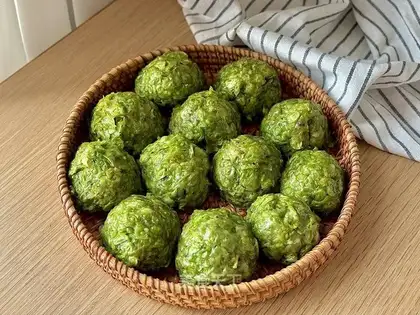
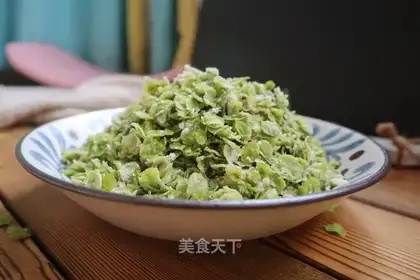
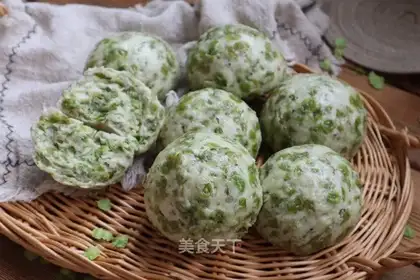
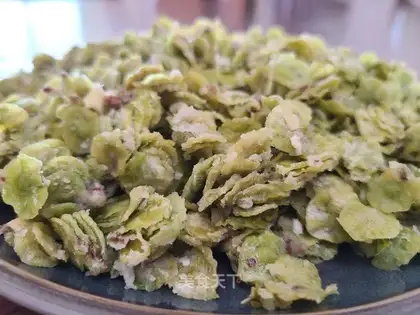
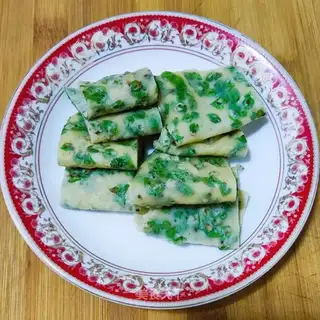
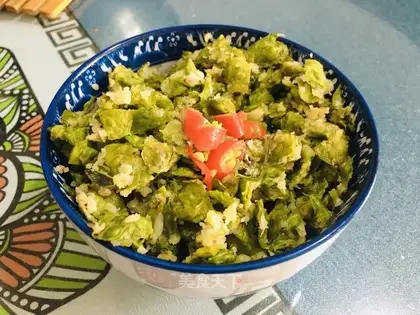
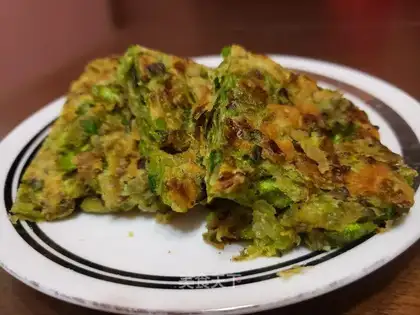
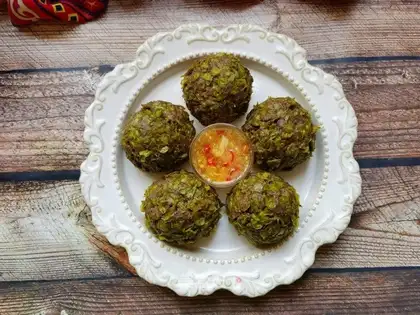
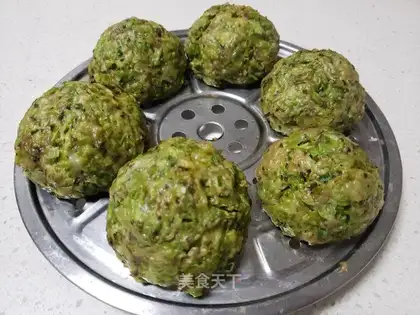
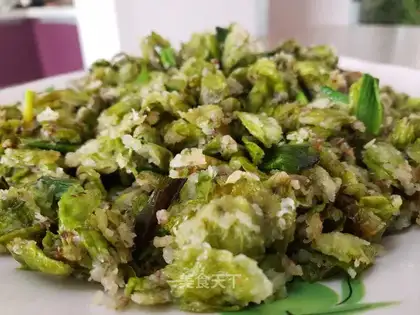
In the realm of wild edibles, few ingredients evoke as much nostalgia and rustic charm as Ulmus pumila seeds, commonly known as "yú qián" or "elm coins" in Chinese. These delicate, coin-shaped green treasures have been a staple in traditional Chinese cuisine for centuries, particularly during spring when they adorn elm trees like nature’s own jewelry. Beyond their culinary appeal, yú qián is a nutritional and medicinal powerhouse, offering a wealth of health benefits. However, like all natural foods, it must be consumed with awareness of potential precautions. This article explores the nutritional profile, health benefits, and consumption guidelines of yú qián, shedding light on why this humble ingredient deserves a place in modern diets.
Nutritional Profile: A Green Superfood
Yú qián is the immature fruit of the Ulmus pumila tree, harvested in early spring when it is tender and palatable. Its nutritional composition is as impressive as its delicate appearance, making it a standout among seasonal vegetables.
Macronutrients
Yú qián is low in calories yet rich in macronutrients that support overall health. A 100-gram serving contains approximately 60 calories, 1.2 grams of protein, 0.1 grams of fat, and 13.9 grams of carbohydrates, including 2.3 grams of dietary fiber. This fiber content is particularly notable, as it promotes digestive health by regulating bowel movements and preventing constipation. The high water content (over 80%) also makes it a hydrating food, ideal for spring diets when the body craves light, refreshing meals.
Vitamins
The vitamin profile of yú qián reads like a multivitamin supplement. It is exceptionally rich in vitamin C, with 100 grams providing up to 30 milligrams—roughly 33% of the daily recommended intake for adults. Vitamin C is a potent antioxidant that boosts immune function, supports collagen synthesis for skin health, and enhances iron absorption.
Yú qián is also a powerhouse of B vitamins, including thiamine (B1), riboflavin (B2), and niacin (B3). These vitamins play critical roles in energy metabolism, converting food into usable energy and supporting nerve function. Additionally, it contains vitamin K, essential for blood clotting and bone health, and small amounts of vitamin A in the form of beta-carotene, which promotes vision and immune health.
Minerals
The mineral content of yú qián is equally impressive. It is particularly high in calcium, with 100 grams providing approximately 80 milligrams—comparable to a small glass of milk. Calcium is vital for bone and teeth strength, making yú qián an excellent plant-based source for individuals dairy-sensitive or following a vegan diet.
Iron, another key mineral, is abundant in yú qián, with 100 grams offering 2.1 milligrams. Iron is crucial for hemoglobin production, which carries oxygen throughout the body, and its presence in yú qián makes it a valuable food for preventing anemia. The ingredient also provides potassium, which regulates blood pressure and fluid balance, and magnesium, which supports muscle and nerve function.
Bioactive Compounds
Beyond vitamins and minerals, yú qián contains unique bioactive compounds that contribute to its health benefits. It is rich in flavonoids, such as quercetin and kaempferol, which have potent antioxidant and anti-inflammatory properties. These compounds help neutralize harmful free radicals, reducing the risk of chronic diseases like heart disease and cancer.
Yú qián also contains tannins, which have astringent properties and may help soothe digestive issues. Additionally, it is a source of phenolic acids, which have been linked to improved brain function and reduced inflammation.
Health Benefits: From Ancient Wisdom to Modern Science
The consumption of yú qián is deeply rooted in traditional Chinese medicine (TCM), where it is valued for its ability to "clear heat" and "detoxify" the body. Modern research has begun to validate these traditional uses, uncovering a range of evidence-based health benefits.
1. Supports Digestive Health
The high fiber content of yú qián makes it a boon for digestive health. Fiber adds bulk to stool, promoting regular bowel movements and preventing constipation. It also acts as a prebiotic, feeding beneficial gut bacteria and maintaining a healthy gut microbiome. In TCM, yú qián is often used to treat "damp-heat" in the digestive system, a condition associated with symptoms like bloating, diarrhea, and indigestion.
2. Boosts Immune Function
Vitamin C is the star player in yú qián’s immune-boosting properties. This vitamin stimulates the production of white blood cells, the body’s primary defense against pathogens. Studies show that adequate vitamin C intake can reduce the duration and severity of colds and flu. Additionally, the flavonoids in yú qián have antimicrobial properties, further enhancing its ability to fight infections.
3. Promotes Heart Health
Yú qián’s combination of fiber, potassium, and antioxidants makes it a heart-healthy food. Fiber helps lower LDL (bad) cholesterol levels, reducing the risk of atherosclerosis. Potassium regulates blood pressure by counteracting the effects of sodium, while flavonoids improve blood vessel function and reduce inflammation. Together, these benefits lower the risk of heart disease and stroke.
4. Aids in Weight Management
Low in calories and high in fiber and water, yú qián is an ideal food for weight management. Fiber promotes satiety, reducing overall calorie intake, while its hydrating properties help control appetite. Additionally, the B vitamins in yú qián support metabolism, helping the body burn calories more efficiently.
5. Supports Bone Health
Calcium and vitamin K are essential for maintaining strong bones, and yú qián is a rich source of both. Calcium provides the structural framework of bones, while vitamin K ensures proper calcium deposition, preventing osteoporosis and fractures. Regular consumption of yú qián, especially in children and older adults, can help support bone density.
6. Anti-Inflammatory and Anticancer Properties
The flavonoids and phenolic acids in yú qián have potent anti-inflammatory effects, which may help reduce the risk of chronic inflammatory conditions like arthritis and diabetes. Research also suggests that these compounds may inhibit the growth of cancer cells by blocking tumor angiogenesis (the formation of new blood vessels that feed tumors) and inducing apoptosis (programmed cell death). While more studies are needed, preliminary findings are promising.
7. Detoxification and Liver Health
In TCM, yú qián is considered a "detoxifying" food that supports liver function. The liver is the body’s primary detoxification organ, and the antioxidants in yú qián help protect it from oxidative damage caused by toxins like alcohol and environmental pollutants. Additionally, the fiber in yú qián binds to toxins in the digestive tract, facilitating their elimination from the body.
Consumption Guidelines: How to Enjoy Yú Qián Safely
While yú qián offers numerous health benefits, proper preparation and consumption are key to maximizing its benefits and minimizing risks.
1. Harvesting and Selection
Yú qián should be harvested in early spring, typically April to May, when the fruits are young, tender, and bright green. Avoid overripe or yellowed yú qián, as they may be tough and bitter. Select fresh, pliable specimens with no signs of mold or insect damage.
2. Preparation
Yú qián must be thoroughly washed to remove dirt and potential contaminants. The most common preparation methods include:
- Stir-frying: Sauté with garlic, ginger, and a light sauce for a simple, flavorful dish.
- Steaming: Steam and season with soy sauce and sesame oil for a healthy side dish.
- Soups: Add to soups or congee for added nutrition and texture.
- Salads: Use raw in salads for a crunchy, fresh element (ensure the yú qián is very tender).
3. Consumption Precautions
Despite its benefits, yú qián is not suitable for everyone, and excessive consumption may lead to adverse effects:
- Allergies: Individuals allergic to birch pollen or other tree nuts may experience cross-reactivity with yú qián. Start with a small amount to test for allergic reactions.
- Pregnancy and Breastfeeding: Pregnant or breastfeeding women should consume yú qián in moderation, as there is limited research on its safety during these periods.
- Kidney Stones: Yú qián contains oxalates, compounds that may increase the risk of kidney stones in susceptible individuals. Those with a history of kidney stones should limit intake.
- Blood Thinners: Yú qián is rich in vitamin K, which plays a role in blood clotting. Individuals taking blood-thinning medications (e.g., warfarin) should maintain consistent vitamin K intake and consult a healthcare provider before consuming yú qián regularly.
- Excessive Consumption: Eating large amounts of yú qián may cause digestive discomfort, such as bloating or diarrhea, due to its high fiber content. Moderation is key.
Conclusion
Yú qián is more than just a seasonal delicacy—it is a nutritional and medicinal treasure that bridges ancient wisdom and modern science. Its rich profile of vitamins, minerals, fiber, and bioactive compounds makes it a valuable addition to a healthy diet, supporting digestive health, immune function, heart health, and more. However, like all natural foods, it must be consumed mindfully, with attention to individual health needs and precautions.
As we rediscover the benefits of wild and seasonal foods, yú qian stands out as a testament to nature’s bounty. Whether enjoyed in a simple stir-fry or a hearty soup, this humble ingredient offers a delicious way to nourish the body and honor the traditions of the past. By understanding its nutritional value and respecting its limitations, we can fully appreciate the role of yú qián in promoting health and well-being.