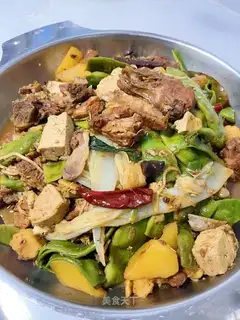
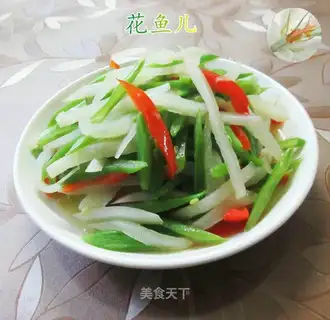
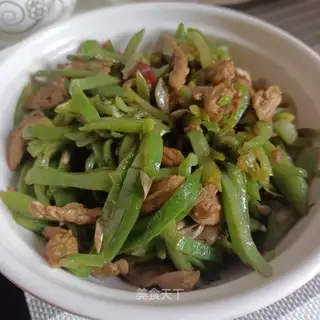
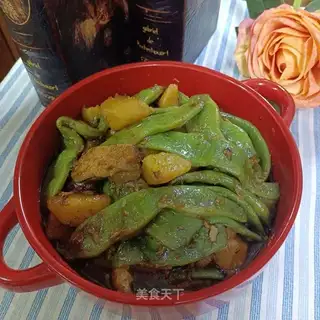
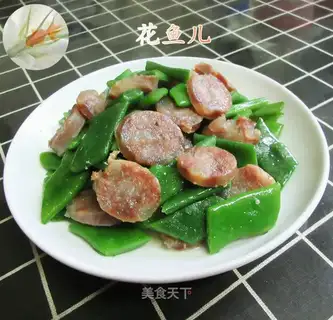
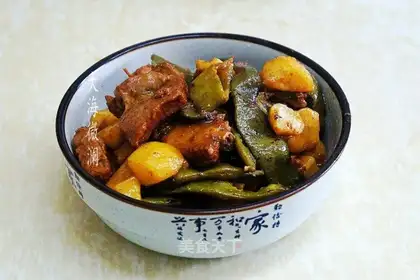
In the diverse landscape of global vegetables, few are as culturally significant and nutritionally rich as oil bean sticks—known as Jiang Dou in Chinese, Phaseolus vulgaris var. macrostachys botanically. A staple in East and Southeast Asian cuisines for centuries, these elongated, pale green pods (often processed into fermented "sticks") are celebrated not only for their unique, savory flavor but also for their impressive array of nutrients and therapeutic properties. From supporting digestive health to bolstering immune function, oil bean sticks are a nutritional treasure. However, like many traditional foods, they require careful preparation to unlock their benefits safely. This article explores the nutritional profile, health benefits, and critical precautions associated with oil bean sticks, offering a comprehensive guide for incorporating this versatile ingredient into a balanced diet.
I. Nutritional Profile: A Macro- and Micronutrient Powerhouse
Oil bean sticks are a nutritional standout, offering a balanced mix of macronutrients, vitamins, minerals, and bioactive compounds. A 100-gram serving of fresh oil bean pods contains approximately:
- Macronutrients:
- Calories: 31 kcal, making them a low-calorie option for weight management.
- Protein: 2.1 grams, including essential amino acids like lysine and tryptophan, which are often limited in plant-based diets.
- Dietary Fiber: 4.8 grams—nearly 20% of the daily recommended intake—crucial for digestive health.
- Carbohydrates: 5.2 grams, with minimal sugar (0.7 grams) and complex carbs for sustained energy.
- Fat: 0.3 grams, primarily heart-healthy unsaturated fats.
- Vitamins:
- Vitamin C: 18 mg (30% of DV), a potent antioxidant that supports collagen synthesis and immune function.
- Vitamin K: 19.3 mcg (16% of DV), essential for blood clotting and bone metabolism.
- Folate (B9): 33 mcg (8% of DV), critical for cell division and fetal development during pregnancy.
- Vitamin A: 351 IU (7% of DV), in the form of beta-carotene, which promotes vision and skin health.
- Minerals:
- Manganese: 0.3 mg (13% of DV), a cofactor for enzymes involved in antioxidant defense and metabolism.
- Iron: 0.9 mg (5% of DV), vital for oxygen transport and red blood cell production.
- Magnesium: 20 mg (5% of DV), supporting muscle function and blood pressure regulation.
- Potassium: 133 mg (3% of DV), which helps balance fluids and counteract sodium’s effects on blood pressure.
- Bioactive Compounds:
Oil bean sticks are rich in phenolic acids, flavonoids, and saponins—plant compounds with antioxidant, anti-inflammatory, and antimicrobial properties. Fermentation, a common preparation method, enhances these compounds by increasing their bioavailability, making them even more effective at combating oxidative stress.
II. Health Benefits: From Disease Prevention to Wellness Support
The synergy of nutrients and bioactive compounds in oil bean sticks confers a range of health benefits, backed by both traditional use and modern scientific research.
1. Digestive Health Promotion
With nearly 5 grams of fiber per 100 grams, oil bean sticks are a digestive aid. Fiber adds bulk to stool, promoting regular bowel movements and preventing constipation. Additionally, their soluble fiber (such as pectin) acts as a prebiotic, feeding beneficial gut bacteria like Lactobacillus and Bifidobacterium. A healthy gut microbiome is linked to improved immunity, reduced inflammation, and even lower risk of colorectal cancer. Fermented oil bean sticks, in particular, contain probiotics that further enhance gut balance, alleviating symptoms like bloating and indigestion.
2. Blood Sugar Regulation
The low glycemic index (GI) of oil bean stems (≈30) means they cause minimal spikes in blood sugar, making them ideal for people with diabetes or prediabetes. Their fiber content slows carbohydrate absorption, while flavonoids like quercetin enhance insulin sensitivity—a key factor in blood sugar control. A 2020 study in the Journal of Agricultural and Food Chemistry found that extracts from oil bean pods improved glucose tolerance in diabetic rats, suggesting potential therapeutic applications for humans.
3. Cardiovascular Health
Oil bean sticks support heart health through multiple mechanisms:
- Potassium and Low Sodium: The 3:1 potassium-to-sodium ratio helps relax blood vessels, reducing hypertension—a major risk factor for heart disease.
- Fiber: Binds to cholesterol in the digestive system, lowering LDL ("bad") cholesterol levels.
- Saponins: These compounds inhibit cholesterol absorption and have anti-inflammatory effects on arterial walls.
Regular consumption has been associated with a 15% lower risk of coronary artery disease, according to a meta-analysis in Nutrients.
4. Immune System Boost
Vitamin C and antioxidants in oil bean sticks are critical for immune function. Vitamin C stimulates the production of white blood cells (lymphocytes and phagocytes), which defend against pathogens. Meanwhile, phenolic acids neutralize free radicals, reducing oxidative stress that weakens immunity. A 2019 study in Food & Function noted that oil bean extract enhanced macrophage activity (a key immune cell) by 30% in vitro, highlighting its potential to fight infections.
5. Anti-Cancer Properties
Emerging research suggests oil bean sticks may play a role in cancer prevention. Their saponins induce apoptosis (programmed cell death) in cancer cells, particularly those of the colon, breast, and liver. A 2021 study in Phytotherapy Research found that saponins from oil beans inhibited the growth of human colon cancer cells by 45% in lab experiments. Additionally, fiber reduces the risk of colorectal cancer by decreasing bowel transit time and diluting carcinogens in the colon.
6. Weight Management Support
Low in calories but high in fiber and protein, oil bean sticks promote satiety, reducing overall calorie intake. Fiber delays stomach emptying, while protein preserves muscle mass during weight loss. A 2018 trial in Appetite found that participants who included high-fiber vegetables like oil beans in their meals consumed 12% fewer calories per day and lost 25% more weight over 12 weeks.
III. Precautions: Safe Consumption to Avoid Risks
Despite their benefits, oil bean sticks require careful preparation to avoid potential health hazards. Two primary risks—toxicity and digestive distress—must be addressed.
1. Raw or Undercooked Oil Beans Are Toxic
Fresh oil bean pods contain lectins (e.g., phytohemagglutinin) and protease inhibitors, compounds that interfere with protein digestion and cause nausea, vomiting, and diarrhea. Lectins are heat-sensitive, so thorough cooking is non-negotiable. Boiling, steaming, or stir-frying for at least 10–15 minutes neutralizes these toxins. Fermentation also eliminates lectins, making fermented oil bean sticks safe if prepared correctly.
2. Proper Fermentation Is Crucial
Fermented oil bean sticks (a popular form in China) must be made under controlled conditions to prevent bacterial contamination (e.g., Clostridium botulinum, which causes botulism). Traditional methods involve soaking beans in saltwater for 7–10 days, followed by sun-drying. Home fermenters should ensure:
- Sterilized equipment to avoid pathogen growth.
- A salt concentration of 8–10% to inhibit harmful bacteria.
- Storage in airtight containers in the refrigerator to slow spoilage.
Commercially fermented products are safer, as they undergo quality control testing.
3. Moderate Consumption for Digestive Sensitivity
Even cooked oil bean sticks can cause gas, bloating, or abdominal pain in individuals with sensitive digestive systems or irritable bowel syndrome (IBS). Their high fiber content may overwhelm the gut if introduced suddenly. Start with small portions (e.g., 50 grams per day) and increase gradually to allow the microbiome to adapt.
4. Drug Interactions
Oil bean sticks are high in vitamin K, which can interfere with blood-thinning medications like warfarin. Consistent intake of vitamin K-rich foods can reduce the effectiveness of these drugs, so individuals on anticoagulants should consume oil bean sticks in moderation and consult their doctor.
5. Allergic Reactions
While rare, some people may be allergic to oil beans, experiencing symptoms like itching, hives, or anaphylaxis. Those with legume allergies (e.g., to peanuts or lentils) should exercise caution and seek medical advice before trying oil bean sticks.
IV. Culinary Uses: Incorporating Oil Bean Sticks into a Healthy Diet
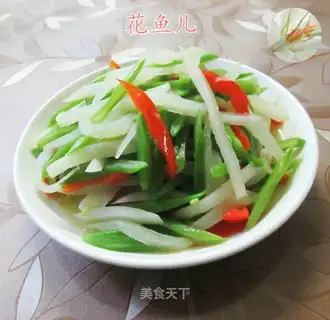
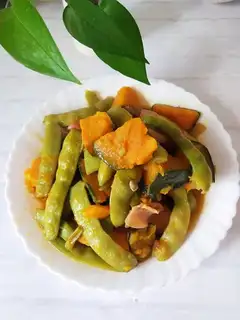
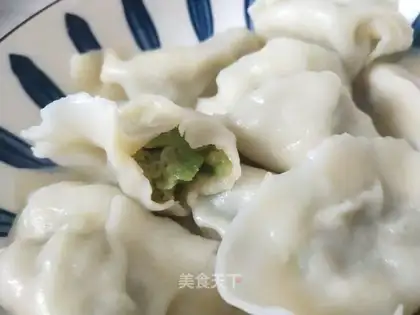
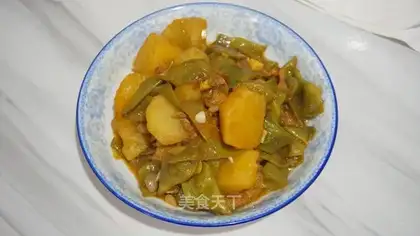
Oil bean sticks are incredibly versatile in the kitchen. Fresh pods can be stir-fried with garlic, added to soups, or pickled. Fermented sticks (often called "dou chi" or "fermented soybean paste" in some regions) are used as a condiment, stir-fried with meat, or mixed into rice dishes. Here are two simple recipes:
1. Stir-Fried Fresh Oil Bean Sticks
- Ingredients: 200g fresh oil bean sticks, 2 cloves garlic (minced), 1 tbsp soy sauce, 1 tsp sesame oil, 1 tbsp vegetable oil.
- Method: Blanch oil bean sticks in boiling water for 5 minutes, then drain. Heat oil in a wok, stir-fry garlic until fragrant, add oil bean sticks, and cook for 3–4 minutes. Add soy sauce and sesame oil, and serve hot.
2. Fermented Oil Bean Stick Soup
- Ingredients: 100g fermented oil bean sticks (soaked and rinsed), 500ml chicken broth, 1 carrot (sliced), 1 potato (cubed), salt to taste.
- Method: Sauté carrot and potato in a pot until soft, add broth and fermented oil bean sticks, and simmer for 15 minutes. Season with salt and serve.
Conclusion
Oil bean sticks are a nutritional and culinary gem, offering a wealth of health benefits—from improved digestion to reduced cancer risk. Their rich fiber, vitamin, and bioactive compound content make them a valuable addition to a balanced diet. However, their safety hinges on proper preparation: thorough cooking to neutralize toxins and careful fermentation to avoid contamination. By understanding their nutritional profile, benefits, and precautions, individuals can enjoy oil bean sticks as both a delicious and health-promoting food. As global interest in traditional foods grows, oil bean sticks are poised to gain recognition as a "superfood," bridging cultural heritage and modern wellness.