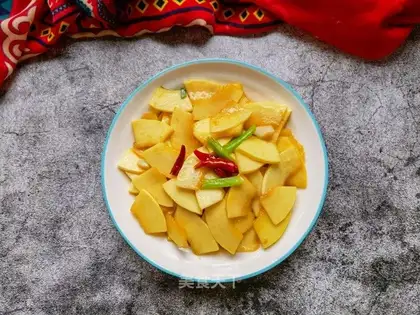
Squash, a versatile and widely consumed vegetable, has been a staple in diets across the globe for centuries. Among its many varieties, the Cucurbita pepo species, commonly known as summer squash or zucchini, stands out for its mild flavor, tender texture, and impressive nutritional profile. Often overshadowed by more exotic superfoods, squash is a nutritional powerhouse, offering a wealth of vitamins, minerals, antioxidants, and health benefits. This article explores the nutritional value of squash, its remarkable health benefits, and important precautions to consider when incorporating it into your diet.
I. Nutritional Value of Squash
Squash is a low-calorie, nutrient-dense vegetable that provides essential nutrients while being gentle on the digestive system. A 100-gram serving of raw zucchini (a common variety of summer squash) contains approximately:
- Calories: 17 kcal, making it an ideal food for weight management.
- Carbohydrates: 3.1 grams, mostly in the form of fiber and natural sugars (e.g., glucose and fructose).
- Dietary Fiber: 1 gram, which supports digestive health and promotes satiety.
- Protein: 1 gram, a modest but notable amount for a vegetable.
- Fat: 0.3 grams, primarily heart-healthy unsaturated fats.
Key Vitamins
Squash is rich in vitamins that play critical roles in bodily functions:
- Vitamin C: An antioxidant powerhouse, vitamin C (17.9 mg per 100g) boosts immune function, supports collagen production for skin health, and aids in iron absorption.
- Vitamin A: Squash contains beta-carotene, a precursor to vitamin A (approximately 10% of the daily value per 100g). Vitamin A is essential for vision, immune function, and cell growth.
- Vitamin B6: Important for metabolism and brain health, vitamin B6 (0.1 mg per 100g) helps convert food into energy and supports neurotransmitter synthesis.
- Folate: A B vitamin crucial for DNA synthesis and cell division, squash provides about 10 mcg of folate per 100g, making it a valuable addition to pregnancy diets.
Essential Minerals
Squash is a good source of minerals that support bone health, fluid balance, and nerve function:
- Potassium: With 293 mg per 100g, squash helps regulate blood pressure by counteracting the effects of sodium and supporting proper muscle function.
- Manganese: A trace mineral involved in bone formation, metabolism, and antioxidant defense (0.2 mg per 100g).
- Magnesium: Essential for over 300 enzymatic reactions, magnesium (18 mg per 100g) supports muscle and nerve function, blood sugar control, and blood pressure regulation.
- Phosphorus: Works with calcium to build strong bones and teeth (38 mg per 100g).
Antioxidants and Phytonutrients
Squash is packed with antioxidants that combat oxidative stress and reduce inflammation:
- Beta-carotene: The compound responsible for squash’s yellow-orange hue, beta-carotene neutralizes free radicals and may lower the risk of chronic diseases.
- Lutein and Zeaxanthin: These carotenoids accumulate in the eyes, protecting against age-related macular degeneration (AMD) and cataracts.
- Vitamin E: A fat-soluble antioxidant that protects cell membranes from damage.
II. Health Benefits of Squash
The combination of vitamins, minerals, and antioxidants in squash contributes to a range of health benefits, from improved digestion to chronic disease prevention.
1. Supports Digestive Health
Squash is an excellent source of dietary fiber, which promotes regular bowel movements, prevents constipation, and supports a healthy gut microbiome. The fiber in squash also acts as a prebiotic, feeding beneficial gut bacteria and reducing the risk of digestive disorders like irritable bowel syndrome (IBS). Additionally, squash’s high water content (over 90%) helps soften stool and ease digestion.
2. Aids in Weight Management
Low in calories and high in fiber and water, squash is a filling food that can help control appetite and reduce overall calorie intake. The fiber in squash slows digestion, keeping you full for longer and preventing overeating. Its versatility also makes it easy to incorporate into meals—whether grilled, roasted, or spiralized into noodles—without adding excessive calories.
3. Promotes Heart Health
Squash’s heart-healthy properties stem from its rich potassium content and low sodium levels. Potassium helps relax blood vessels, lowering blood pressure and reducing the strain on the cardiovascular system. The fiber in squash also helps lower LDL (“bad”) cholesterol levels, while antioxidants like vitamin C and beta-carotene reduce inflammation and oxidative stress, both of which are risk factors for heart disease.
4. Enhances Immune Function
The high vitamin C content in squash makes it a natural immune booster. Vitamin C stimulates the production of white blood cells, which are essential for fighting infections. Additionally, beta-carotene supports immune function by enhancing the activity of natural killer cells and T-cells, which target pathogens. Regular consumption of squash may help reduce the severity and duration of colds and flu.
5. Supports Healthy Vision
Lutein and zeaxanthin, two carotenoids abundant in squash, accumulate in the retina and protect against oxidative damage caused by blue light and UV rays. These compounds reduce the risk of AMD, a leading cause of vision loss in older adults, and may also lower the risk of cataracts. Vitamin A, derived from beta-carotene, is also critical for maintaining good vision, particularly in low-light conditions.
6. Regulates Blood Sugar Levels
Squash is a low-glycemic index (GI) food, meaning it does not cause rapid spikes in blood sugar. The fiber in sugar slows the absorption of carbohydrates, preventing sharp increases in blood glucose levels after meals. This makes squash a suitable food for individuals with diabetes or those at risk of developing the condition. Additionally, magnesium in squash improves insulin sensitivity, helping the body use glucose more effectively.
7. Anti-Inflammatory Properties
Chronic inflammation is linked to a range of health issues, including arthritis, heart disease, and cancer. Squash contains anti-inflammatory compounds like vitamin C, beta-carotene, and manganese, which reduce the production of pro-inflammatory cytokines. Regular consumption of squash may help alleviate symptoms of inflammatory conditions like rheumatoid arthritis and protect against chronic disease.
8. Supports Skin Health
Vitamin C and vitamin E in squash are essential for maintaining healthy skin. Vitamin C stimulates collagen production, a protein that keeps skin firm and elastic, while vitamin E protects skin cells from damage caused by free radicals and UV radiation. Beta-carotene also contributes to skin health by reducing sun sensitivity and promoting a healthy glow.
III. Precautions and Potential Side Effects
While squash is generally safe for most people, there are a few precautions to keep in mind:
1. Oxalates and Kidney Stones
Squash contains oxalates, naturally occurring compounds that can bind to calcium and form kidney stones in susceptible individuals. People with a history of kidney stones should consume squash in moderation and ensure adequate hydration to reduce oxalate absorption. Cooking squash can also help lower its oxalate content.
2. Pesticide Residues
Conventionally grown squash may contain pesticide residues, which can be harmful to health. To minimize exposure, opt for organic squash when possible, or thoroughly wash conventionally grown squash under running water before consumption. Peeling squash can further reduce pesticide exposure, though this also removes some nutrients.
3. Digestive Discomfort
While fiber is beneficial for digestion, consuming large amounts of squash suddenly may cause bloating, gas, or diarrhea in some individuals. To avoid this, introduce squash gradually into your diet and cook it thoroughly to make it easier to digest.
4. Allergic Reactions
Although rare, some people may be allergic to squash, particularly those with allergies to other members of the Cucurbitaceae family, such as cucumbers or melons. Symptoms of a squash allergy may include itching, hives, swelling, or difficulty breathing. If you suspect an allergy, discontinue consumption and consult a healthcare provider.
5. Interaction with Medications
Squash is high in vitamin K, which plays a role in blood clotting. Individuals taking blood-thinning medications (e.g., warfarin) should maintain consistent vitamin K intake to avoid interfering with the medication’s effectiveness. Consult a healthcare provider or dietitian if you are taking such medications and plan to increase your squash consumption.
IV. Incorporating Squash into Your Diet
Squash’s mild flavor and versatility make it easy to incorporate into a variety of dishes:
- Grilled or Roasted: Toss squash with olive oil, garlic, and herbs, then grill or roast for a caramelized side dish.
- Sautéed: Sauté squash with onions, bell peppers, and tomatoes for a quick and healthy stir-fry.
- Spiralized: Use spiralized squash as a low-carb alternative to pasta in dishes like zucchini noodles (“zoodles”).
- Soups and Stews: Add diced squash to soups, stews, or curries for added nutrients and bulk.
- Baked Goods: Grate squash and incorporate it into muffins, breads, or pancakes for a moist texture and extra nutrients.
Conclusion
Squash is a nutritional powerhouse that offers a wide range of health benefits, from improved digestion and heart health to enhanced immune function and vision. Its low calorie, high fiber, and rich antioxidant content make it an excellent addition to a balanced diet. While precautions such as moderating intake for those with kidney issues and choosing organic produce to avoid pesticides are important, squash is generally safe for most people when consumed as part of a varied diet. By incorporating squash into your meals, you can enjoy its delicious flavor while reaping its numerous health benefits. Whether grilled, roasted, or spiralized, this humble vegetable is a true superfood that deserves a place on your plate.