In the diverse landscape of Asian vegetables, few ingredients are as uniquely nutritious and culturally significant as the Chinese water chestnut (Eleocharis dulcis), commonly known as "慈姑" (cígū) in Mandarin. With its crisp, apple-like texture and subtly sweet, nutty flavor, this aquatic tuber has been a staple in Chinese cuisine for centuries. Beyond its culinary appeal,慈姑 is a nutritional powerhouse, offering a wealth of vitamins, minerals, and bioactive compounds that support overall health. However, like many foods, it must be consumed mindfully to avoid potential risks. This article explores the nutritional profile, health benefits, culinary versatility, and important precautions associated with慈姑, providing a comprehensive guide to this underappreciated superfood.
Nutritional Profile: A Treasure Trove of Essential Nutrients
慈姑 is a low-calorie, nutrient-dense food that packs a surprising amount of vitamins, minerals, and fiber into each serving. A 100-gram serving of raw water chestnuts contains approximately 60 calories, 14.8 grams of carbohydrates, and 3 grams of fiber, making it an excellent choice for weight management and digestive health. Its high water content (about 80%) also helps hydrate the body and promote satiety.
One of the standout features of慈姑 is its rich mineral content. It is particularly high in potassium (a 100-gram serving provides 580 mg, more than a banana), which plays a critical role in regulating blood pressure, fluid balance, and muscle function. Additionally,慈姑 provides significant amounts of manganese (essential for bone health and metabolism), copper (important for iron absorption and antioxidant defense), and magnesium (involved in over 300 biochemical reactions in the body).
Vitamin-wise,慈姑 is a good source of vitamin B6 (crucial for brain development and neurotransmitter production), vitamin C (a powerful antioxidant that supports immune function and skin health), and folate (vitamin B9, vital for DNA synthesis and cell division). It also contains small amounts of vitamin A and vitamin E, further enhancing its antioxidant profile.
Perhaps most notably,慈姑 is rich in polyphenols and flavonoids, plant compounds with potent anti-inflammatory and antioxidant properties. These compounds help neutralize harmful free radicals, reducing oxidative stress and lowering the risk of chronic diseases such as heart disease, diabetes, and cancer.
Health Benefits: From Traditional Medicine to Modern Wellness
For centuries,慈姑 has been used in traditional Chinese medicine (TCM) to treat various ailments, thanks to its cooling properties and nutrient density. Modern research has now validated many of these traditional claims, highlighting the tuber’s potential to support health in multiple ways.
1. Supports Digestive Health
The high fiber content in慈姑 makes it a boon for digestive health. Fiber adds bulk to stool, promotes regular bowel movements, and prevents constipation. Moreover, the tuber contains resistant starch, a type of fiber that acts as a prebiotic, feeding beneficial gut bacteria and improving overall gut microbiota balance. A healthy gut microbiome is linked to better immune function, reduced inflammation, and even improved mood.
2. Regulates Blood Pressure and Cardiovascular Health
Potassium is a key player in cardiovascular health, and慈姑 is one of the best plant-based sources of this mineral. Potassium helps counteract the effects of sodium, relaxing blood vessels and reducing blood pressure. Studies show that a diet rich in potassium can lower the risk of stroke and heart disease. Additionally, the fiber and antioxidants in慈姑 help reduce LDL ("bad") cholesterol and prevent the oxidation of lipids, further protecting the heart.
3. Boosts Immune Function
Vitamin C is well-known for its immune-boosting properties, and慈姑 contains a modest amount of this vital nutrient. Vitamin C stimulates the production of white blood cells, which are the body’s primary defense against infections. It also enhances the skin’s barrier function, reducing the risk of pathogens entering the body. Combined with the anti-inflammatory effects of polyphenols,慈姑 can help strengthen the immune system and reduce the severity of colds and flu.
4. Aids in Weight Management
Low in calories but high in fiber and water,慈姑 is an ideal food for weight loss and weight maintenance. The fiber and water content promote feelings of fullness, reducing overall calorie intake. Additionally, the resistant starch in慈姑 has been shown to increase fat oxidation and improve insulin sensitivity, making it easier to maintain a healthy weight.
5. Supports Bone Health
慈姑 is a good source of manganese, a mineral that is essential for bone formation and maintenance. Manganese helps activate enzymes involved in bone mineralization and collagen production, reducing the risk of osteoporosis and fractures. It also contains small amounts of calcium and magnesium, which further contribute to bone health.
6. Anti-Cancer Properties
The antioxidant and anti-inflammatory compounds in慈姑 may play a role in cancer prevention. Polyphenols such as ferulic acid and caffeic acid have been shown to inhibit the growth of cancer cells and reduce tumor formation in laboratory studies. Additionally, the fiber in慈姑 helps eliminate toxins from the digestive system, reducing the risk of colorectal cancer. While more human studies are needed, these findings suggest that慈姑 could be a valuable addition to a cancer-preventive diet.
Culinary Uses: Versatility in the Kitchen
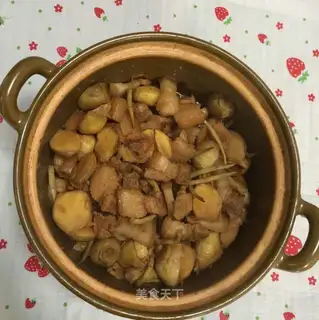
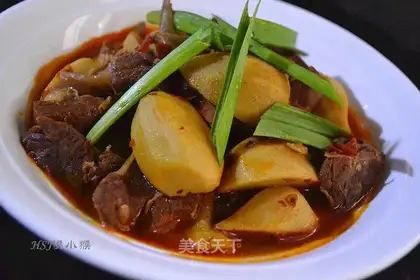
慈姑’s unique texture and flavor make it a versatile ingredient in both savory and sweet dishes. In Chinese cuisine, it is often used in stir-fries, soups, and hot pots, where its crispness adds a delightful contrast to softer ingredients. It is also commonly pickled or candied as a snack.
Savory Dishes
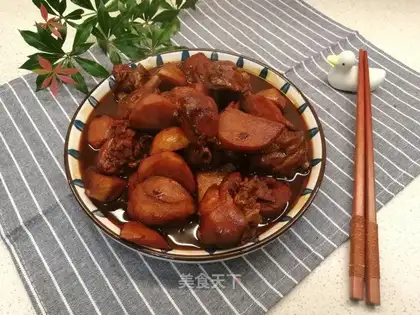
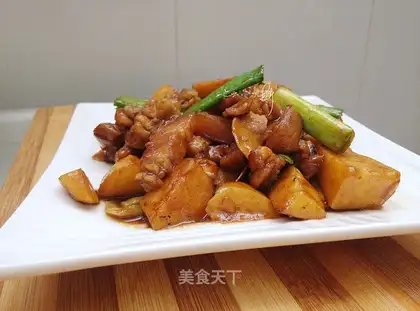
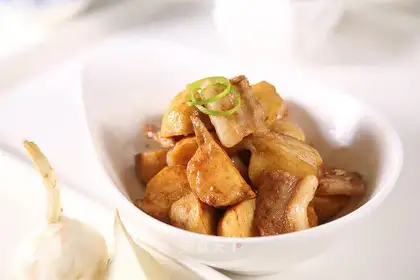
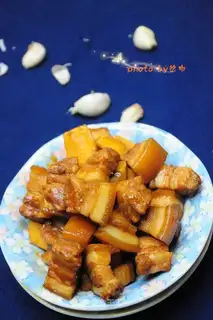
One of the most popular ways to prepare慈姑 is to stir-fry it with other vegetables, meat, or seafood. For example, "慈炒肉片" (cígū chǎo ròu piàn) features sliced water chestnuts stir-fried with pork, garlic, and soy sauce, creating a dish that is both flavorful and texturally interesting. In hot pot,慈姑 absorbs the flavors of the broth while retaining its crunch, making it a favorite addition to communal meals.
Soups and Stews
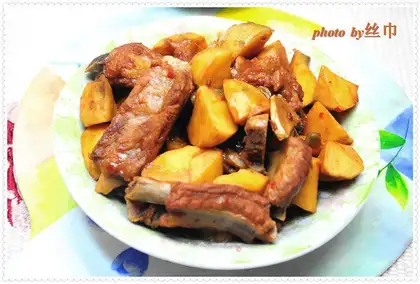
慈姑 is often added to soups and stews for its nutritional value and texture. In "慈姑排骨汤" (cígū pái gǔ tāng), water chestnuts are simmered with pork ribs and Chinese herbs, creating a nourishing soup that is believed to "cool" the body in TCM. The tuber’s mild sweetness balances the richness of the ribs, making the soup both comforting and healthy.
Sweet Treats and Snacks
In addition to savory dishes,慈姑 is used in sweet preparations. Candied water chestnuts (蜜汁慈姑) are a popular dessert, where the tubers are cooked in a sugar syrup until tender and glossy. They are also used in mooncakes and other traditional pastries, adding moisture and a subtle sweetness.
International Cuisine
Beyond Chinese cooking,慈姑 is used in various Asian cuisines. In Thai cuisine, it is added to salads and curries for its crunch, while in Japanese cooking, it is often pickled or served as a side dish. Its versatility makes it a valuable ingredient for chefs looking to experiment with global flavors.
Precautions and Potential Side Effects
While慈姑 offers numerous health benefits, it is important to consume it in moderation and be aware of potential risks, particularly for certain individuals.
1. High Oxalate Content
慈姑 is relatively high in oxalates, natural compounds that can bind to calcium and form kidney stones in susceptible individuals. People with a history of kidney stones or those at risk of developing them should limit their intake of慈姑. Cooking the tuber can reduce oxalate levels, so it is advisable to boil or steam it rather than eating it raw.
2. Cooling Properties in Traditional Chinese Medicine
In TCM,慈姑 is considered a "cooling" food, meaning it has the ability to reduce "heat" in the body. While this can be beneficial for those with "heat-related" conditions such as inflammation or fever, it may not be suitable for individuals with "cold" constitutions or those who are sensitive to cold foods. Overconsumption can lead to digestive discomfort, such as bloating or diarrhea.
3. Pesticide Residues
As an aquatic vegetable,慈姑 is sometimes exposed to pesticides and pollutants. To minimize risk, it is important to wash it thoroughly before consumption or opt for organic varieties when available. Peeling the outer skin can also reduce exposure to contaminants.
4. Allergic Reactions
While rare, some people may be allergic to慈姑. Symptoms of an allergic reaction include itching, hives, or swelling. Individuals with known allergies to other tubers, such as potatoes or taro, should exercise caution when trying慈姑 for the first time.
Conclusion
慈姑 is a nutritional and culinary gem that deserves more recognition in the Western world. With its impressive array of vitamins, minerals, and antioxidants, it offers a wide range of health benefits, from supporting digestion and heart health to boosting immunity and potentially reducing cancer risk. Its versatility in the kitchen, from savory stir-fries to sweet desserts, makes it a valuable ingredient for any home cook.
However, as with any food, moderation is key. Individuals with kidney issues, "cold" constitutions, or allergies should be mindful of their intake and consult a healthcare professional if necessary. By incorporating慈姑 into a balanced diet, one can enjoy its unique flavor and reap its numerous health benefits, making this humble tuber a true superfood.
In a world where processed foods dominate,慈姑 stands out as a reminder of the power of whole, natural ingredients. Whether you are looking to improve your health or expand your culinary horizons,慈姑 is a delicious and nutritious choice that is sure to delight your taste buds and nourish your body.