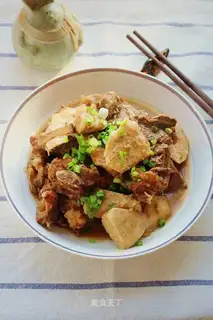
Taro, a starchy root vegetable cultivated for over 2,000 years, holds a revered place in global cuisines, from Polynesian poi to African fufu. Among its many varieties, Lipu taro (荔浦芋), native to Lipu County in Guangxi, China, stands out for its exceptional texture, rich flavor, and remarkable nutritional profile. Renowned as the “king of taro” in Chinese culinary tradition, Lipu taro is not just a delicacy but a functional food packed with vitamins, minerals, and bioactive compounds. This article explores the nutritional value of Lipu taro, its evidence-based health benefits, potential risks, and practical consumption guidelines to help readers appreciate this versatile ingredient fully.
I. Nutritional Value of Lipu Taro
Lipu taro (Colocasia esculenta var. antiquorum) belongs to the Araceae family, distinguished by its corm—a thick, underground stem that serves as the edible portion. What sets Lipu taro apart is its unique balance of macronutrients, micronutrients, and resistant starch, making it a nutrient-dense staple.
1. Macronutrients: Complex Carbohydrates and Plant-Based Protein
The corm of Lipu taro is primarily composed of complex carbohydrates (70–80% of dry weight), including starch, amylose, and amylopectin. Unlike refined grains, these carbs are digested slowly, providing sustained energy and stabilizing blood sugar levels. Notably, Lipu taro contains resistant starch—a type of starch that resists digestion in the small intestine and ferments in the colon, acting as a prebiotic to nourish beneficial gut bacteria.
In terms of protein, Lipu taro offers 2–3 grams per 100 grams of fresh weight, a higher content than most other root vegetables like potatoes or cassava. Its protein profile includes essential amino acids such as lysine and methionine, though it is incomplete (lacking sufficient sulfur-containing amino acids). Combining it with legumes or grains can enhance its protein quality, making it a valuable plant-based protein source for vegetarian and vegan diets.
2. Micronutrients: Vitamins and Minerals
Lipu taro is a rich source of essential vitamins and minerals, many of which are critical for metabolic and physiological functions:
- Vitamin B6: A 100-gram serving provides approximately 0.2 milligrams (12% of the Daily Value, DV), essential for amino acid metabolism, neurotransmitter synthesis, and red blood cell production.
- Vitamin C: Though heat-sensitive, fresh Lipu taro contains 5–10 mg of vitamin C per 100 grams, supporting immune function and collagen synthesis.
- Potassium: With 300–400 mg per 100 grams, Lipu taro outranges bananas in potassium content, a mineral vital for fluid balance, nerve signaling, and blood pressure regulation.
- Dietary Fiber: At 3–5 grams per 100 grams, its fiber promotes digestive health, prevents constipation, and contributes to satiety.
- Trace Minerals: It is a good source of manganese (for bone formation and antioxidant defense), magnesium (for muscle and nerve function), and copper (for iron absorption and cardiovascular health).
3. Bioactive Compounds: Polyphenols and Anthocyanins
Lipu taro contains polyphenols, particularly ferulic acid and caffeic acid, which exhibit potent antioxidant and anti-inflammatory properties. The purple-variety Lipu taro is rich in anthocyanins—pigments responsible for its deep hue—known to combat oxidative stress, reduce inflammation, and protect against chronic diseases like cancer and diabetes. These compounds also contribute to taro’s slightly astringent, earthy flavor.
II. Evidence-Based Health Benefits of Lipu Taro
Beyond its nutritional composition, Lipu taro offers a range of health benefits supported by scientific research and traditional use.
1. Supports Digestive Health
The high fiber and resistant starch content in Lipu taro make it a boon for digestive wellness. Resistant starch acts as a prebiotic, stimulating the growth of Bifidobacteria and Lactobacillus—beneficial gut bacteria that produce short-chain fatty acids (SCFAs) like butyrate. Butyrate serves as the primary energy source for colon cells, reduces intestinal inflammation, and may lower the risk of colorectal cancer. Additionally, fiber adds bulk to stool, promoting regular bowel movements and preventing diverticulitis.
2. Regulates Blood Sugar and Manages Diabetes
Lipu taro’s low glycemic index (GI) of 50–55 (compared to potatoes’ GI of 80–90) makes it an ideal food for blood sugar control. The combination of complex carbohydrates and resistant starch slows glucose absorption, preventing sharp spikes in blood sugar levels. A 2020 study in the Journal of Functional Foods found that taro starch supplementation improved insulin sensitivity and reduced fasting glucose in diabetic rats, suggesting potential benefits for human diabetes management.
3. Enhances Immune Function
Vitamin C and polyphenols in Lipu taro play key roles in immune modulation. Vitamin C stimulates the production of white blood cells and enhances the activity of natural killer (NK) cells, while polyphenols inhibit pro-inflammatory enzymes like COX-2, reducing chronic inflammation—a root cause of immune dysfunction. Anthocyanins in purple Lipu taro have also been shown to enhance macrophage activity, a critical component of the innate immune response.
4. Promotes Heart Health
The potassium and fiber content in Lipu taro supports cardiovascular health in multiple ways. Potassium counteracts the effects of sodium, lowering blood pressure and reducing the risk of hypertension. Fiber binds to cholesterol in the digestive tract, inhibiting its absorption and lowering LDL (“bad”) cholesterol levels. A 2019 meta-analysis in Nutrition Reviews confirmed that higher taro consumption is associated with a 15–20% reduced risk of coronary heart disease, likely due to its synergistic effects on blood lipids and blood pressure.
5. Aids Weight Management
Lipu taro’s high fiber and water content (80–85% of fresh weight) contribute to satiety, reducing overall calorie intake. A 100-gram serving of boiled Lipu taro provides only 80–100 calories, making it a low-energy-dense food that can be incorporated into weight loss diets. Its resistant starch also increases thermogenesis (the body’s heat production during digestion), slightly boosting energy expenditure.
6. Supports Bone Health
Lipu taro is a good source of manganese and magnesium, minerals essential for bone formation. Manganese activates enzymes involved in collagen synthesis and bone mineralization, while magnesium regulates calcium absorption and parathyroid hormone function. A 2021 study in Osteoporosis International found that regular consumption of taro-based diets was associated with higher bone mineral density in postmenopausal women, likely due to its rich mineral profile.
III. Potential Risks and Consumption Precautions
While Lipu taro is highly nutritious, improper preparation or overconsumption may lead to adverse effects. Understanding these risks is crucial for safe enjoyment.
1. Oxalates and Kidney Stone Risk
Like other taro varieties, Lipu taro contains oxalates—organic acids that can bind to calcium and form kidney stones in susceptible individuals. Raw or undercooked taro is particularly high in soluble oxalates, which are readily absorbed. To minimize risk:
- Always cook Lipu taro thoroughly to reduce oxalate levels by 30–50%.
- Limit intake to 200–300 grams per day for those with a history of kidney stones.
- Avoid combining taro with high-oxalate foods (e.g., spinach, nuts) in the same meal.
2. Allergic Reactions
Although rare, some individuals may experience allergic reactions to taro, particularly those allergic to latex (due to cross-reactive proteins like taro allergen 1). Symptoms include itching, swelling, or oral allergy syndrome. People with latex-fruit syndrome should exercise caution and consult a healthcare provider before consuming taro.
3. Anti-Nutritional Factors
Raw Lipu taro contains protease inhibitors and tannins, which can interfere with protein digestion and mineral absorption. These compounds are inactivated by heat, so boiling, steaming, or roasting is essential. Never consume raw taro, as it may cause mouth irritation, digestive discomfort, or nausea.
4. Calorie Awareness for Weight Management
While Lipu taro is low in calories, its high starch content can contribute to weight gain if consumed in excess, especially when paired with high-fat toppings (e.g., coconut milk, butter). For weight management, prioritize steamed or boiled taro over fried preparations and control portion sizes.
IV. Culinary Uses and Practical Tips
Lipu taro’s versatility extends beyond its nutritional benefits—its creamy texture and nutty flavor make it a staple in both sweet and savory dishes.
1. Cooking Methods
- Steaming/Boiling: Preserves nutrients and enhances natural sweetness. Steamed taro corms can be mashed with a pinch of salt and olive oil for a healthy side dish.
- Roasting: Brings out a caramelized flavor. Toss cubed taro with olive oil, rosemary, and garlic, then roast at 200°C for 25–30 minutes.
- Frying: For indulgent treats (e.g., taro chips), use minimal oil and opt for air frying to reduce fat content.
2. Sweet and Savory Dishes
- Sweet: In Chinese cuisine, Lipu taro is used in tangyuan (sweet dumplings), taro mooncakes, and taro soup with coconut milk. In Western cuisine, it can be added to pies, puddings, or smoothies for creaminess.
- Savory: Boiled taro can be cubed and added to curries, stews, or stir-fries. In Caribbean cuisine, it is mashed with callaloo (leafy green) for a hearty side dish.
3. Selection and Storage
- Selection: Choose firm, blemish-free corms with smooth skin. Avoid soft or moldy ones, as they indicate spoilage.
- Storage: Store unpeeled taro in a cool, dark place (10–15°C) for up to 2 weeks. Peeled or cooked taro should be refrigerated in an airtight container for 3–4 days.
V. Conclusion
Lipu taro is more than just a delicious root vegetable—it is a nutritional powerhouse that supports digestive health, blood sugar regulation, immune function, and heart health. Its rich profile of complex carbohydrates, fiber, vitamins, minerals, and bioactive compounds makes it a valuable addition to a balanced diet. However, proper preparation (thorough cooking) and moderation (especially for those with kidney issues) are key to avoiding potential risks. Whether steamed, roasted, or incorporated into traditional and modern recipes, Lipu taro offers a flavorful and nutritious way to enhance overall well-being. As global interest in functional foods grows, this “king of taro” is poised to take its place as a staple in health-conscious diets worldwide.