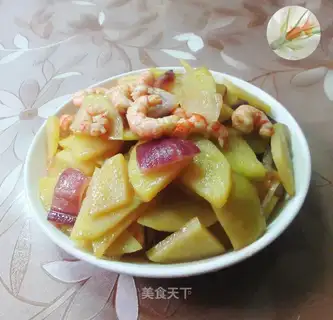
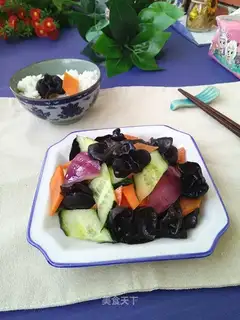
Onions, a staple in cuisines worldwide, come in various colors and flavors, but the purple onion (also known as red onion) stands out for its vibrant hue, distinctive taste, and exceptional health-promoting properties. Beyond its culinary versatility, this humble vegetable has been celebrated for centuries in traditional medicine and modern nutrition for its rich array of bioactive compounds. This article explores the nutritional profile of purple onions, their scientifically supported health benefits, potential side effects, and practical tips for incorporation into a balanced diet.
Nutritional Profile of Purple Onions
Purple onions belong to the Allium cepa family, closely related to garlic, leeks, and shallots. What sets them apart is their high concentration of anthocyanins, the antioxidants responsible for their deep purple-red color. These compounds, along with sulfur-rich phytochemicals, give purple onions their unique nutritional edge.
A 100-gram serving of raw purple onions (approximately half a medium onion) contains:
- Calories: 40 kcal, making it a low-calorie, nutrient-dense food.
- Carbohydrates: 9–10 grams, including 1.7 grams of fiber and 4.7 grams of natural sugars.
- Protein: 1.1 grams (minimal but contributes to plant-based protein intake).
- Fat: Negligible (0.1 grams).
- Vitamins: Vitamin C (7% of the Daily Value, DV), vitamin B6 (10% DV), and folate (5% DV).
- Minerals: Potassium (4% DV), manganese (10% DV), and small amounts of calcium and iron.
- Phytochemicals: Anthocyanins (notably cyanidin-3-glucoside), quercetin, flavonoids, and organosulfur compounds like allicin and thiosulfinates.
The combination of these nutrients makes purple onions a valuable addition to a health-focused diet.
Health Benefits of Purple Onions
1. Rich in Antioxidants, Combating Oxidative Stress
The most significant benefit of purple onions lies in their antioxidant content. Anthocyanins, which give the onion its color, are potent flavonoids that neutralize harmful free radicals—unstable molecules that cause cellular damage, accelerate aging, and contribute to chronic diseases like cancer and heart disease.
Studies show that purple onions contain higher levels of anthocyanins than yellow or white onions, with some varieties boasting up to 10 times more. These antioxidants not only protect cells but also reduce inflammation, a key driver of conditions such as arthritis, diabetes, and neurodegenerative diseases.
Quercetin, another major antioxidant in purple onions, is linked to improved brain health, reduced allergy symptoms, and enhanced immune function. Research published in the Journal of Agricultural and Food Chemistry found that quercetin inhibits the growth of cancer cells, particularly in the colon, breast, and prostate.
2. Supports Heart Health
Cardiovascular disease remains a leading global cause of death, but dietary choices like purple onions can significantly reduce risk. The organosulfur compounds in purple onions, such as allicin and thiosulfinates, help lower blood pressure by relaxing blood vessels and improving blood flow.
Additionally, purple onions are rich in flavonols (like quercetin), which reduce LDL (“bad”) cholesterol oxidation— a critical step in preventing plaque buildup in arteries. A 2019 study in the European Journal of Nutrition found that regular onion consumption was associated with a 22% lower risk of heart disease, with purple onions showing the strongest effects due to their anthocyanin content.
3. Anti-Cancer Properties
The sulfur compounds and anthocyanins in purple onions exhibit anti-cancer effects by inhibiting tumor growth and promoting cancer cell death. Allicin, for example, has been shown to induce apoptosis (programmed cell death) in gastric and liver cancer cells.
Quercetin, meanwhile, blocks the activity of NF-κB, a protein that promotes inflammation and cancer progression. Population studies suggest that individuals who consume high amounts of allium vegetables (including purple onions) have a lower risk of stomach and colorectal cancers. While more human trials are needed, the evidence so far is compelling.
4. Regulates Blood Sugar Levels
Purple onions may help manage diabetes and insulin resistance. Quercetin enhances insulin secretion and sensitivity, allowing cells to absorb glucose more efficiently. A 2020 study in Nutrients found that onion extract reduced blood sugar levels in diabetic rats by 30%, with similar effects observed in human trials.
The fiber in purple onions also slows carbohydrate digestion, preventing sharp spikes in blood sugar after meals. For individuals with prediabetes or type 2 diabetes, incorporating purple onions into meals could support better glycemic control.
5. Boosts Immune Function
Vitamin C, a key nutrient in purple onions, is essential for a healthy immune system. It stimulates the production of white blood cells, which defend against infections, and acts as an antioxidant to protect immune cells from damage.
Quercetin further enhances immunity by reducing histamine release (alleviating allergy symptoms) and fighting off pathogens. During cold and flu season, adding purple onions to soups, salads, or stir-fries may provide an extra immune boost.
6. Improves Bone Health
Purple onions contain manganese, a mineral crucial for bone formation and maintenance. Manganese activates enzymes involved in synthesizing collagen and bone matrix, reducing the risk of osteoporosis. Animal studies have shown that onion consumption increases bone density, though more human research is needed.
Culinary Uses and Tips for Maximizing Benefits
Purple onions are as versatile as they are nutritious. Their sharp, slightly sweet flavor makes them ideal for:
- Raw dishes: Salads, salsas, and sandwiches (their crispiness adds texture).
- Cooked dishes: Soups, stews, stir-fries, and grilled vegetables (cooking reduces pungency but retains some antioxidants).
- Pickling: Pickled purple onions are a popular condiment, lasting weeks in the refrigerator.
To maximize nutrient retention:
- Eat them raw or lightly cooked: High heat can degrade heat-sensitive antioxidants like vitamin C and anthocyanins.
- Let them sit after chopping: Chopping purple onions and letting them rest for 10–15 minutes before cooking increases allicin formation.
- Pair with healthy fats: Anthocyanins are fat-soluble, so adding purple onions to olive oil-based dressings or avocado dishes enhances absorption.
Potential Side Effects and Precautions
While purple onions are generally safe for most people, certain individuals should exercise caution:
1. Digestive Issues
Onions contain fructans, a type of fiber that can ferment in the gut, causing bloating, gas, or diarrhea in people with irritable bowel syndrome (IBS) or sensitive digestive systems. Cooking onions can reduce fructan content and make them easier to digest.
2. Allergic Reactions
Onion allergies are rare but can occur, causing symptoms like itching, hives, or anaphylaxis in severe cases. Individuals with a known allergy to allium vegetables should avoid purple onions.
3. Blood-Thinning Effects
Purple onions contain quercetin, which has mild anticoagulant properties. People taking blood-thinning medications (e.g., warfarin) or scheduled for surgery should limit their intake to avoid excessive bleeding.
4. Heartburn and Acid Reflux
Onions can relax the lower esophageal sphincter, allowing stomach acid to flow back into the esophagus. Those with GERD (gastroesophageal reflux disease) may experience worsened symptoms after eating raw or cooked onions.
5. Interactions with Medications
Quercetin may interact with certain medications, including:
- Chemotherapy drugs: Quercetin may interfere with the efficacy of drugs like doxorubicin.
- Blood pressure medications: Combining onions with antihypertensive drugs may lower blood pressure too much.
- Diabetes medications: The blood sugar-lowering effects of onions could enhance the effects of insulin or oral diabetes drugs, increasing the risk of hypoglycemia.
Anyone taking these medications should consult a healthcare provider before increasing purple onion intake.
Conclusion
Purple onions are more than just a flavorful addition to meals—they are a nutritional powerhouse packed with antioxidants, vitamins, and minerals that support heart health, immune function, and disease prevention. Their unique combination of anthocyanins and sulfur compounds makes them one of the most beneficial vegetables in the human diet.
However, like all foods, moderation is key. While most people can enjoy purple onions safely, those with digestive issues, allergies, or specific health conditions should be mindful of their intake. By incorporating purple onions into a balanced diet—raw, cooked, or pickled—individuals can harness their health benefits while savoring their vibrant color and taste.
In a world where chronic diseases are on the rise, the purple onion stands out as a simple, accessible, and delicious tool for promoting long-term health. As the saying goes, “an onion a day keeps the doctor away”—and in the case of purple onions, there’s plenty of science to back it up.