For millennia, shiitake mushrooms (Lentinula edodes) have been a cornerstone of traditional medicine and cuisine in East Asia, revered for their rich flavor, meaty texture, and profound health-promoting properties. Today, these umami-rich fungi have transcended cultural boundaries, becoming a global superfood celebrated for their impressive nutritional profile and therapeutic potential. From bolstering immune function to supporting heart health, shiitake mushrooms offer a wealth of benefits. However, like any potent food, they must be consumed wisely to avoid adverse effects. This article explores the nutritional value of shiitake mushrooms, their evidence-based health benefits, and important precautions for safe consumption.
I. Nutritional Profile of Shiitake Mushrooms
Shiitake mushrooms are a nutritional treasure trove, packed with vitamins, minerals, fiber, and unique bioactive compounds that set them apart from other vegetables. A 100-gram serving of fresh shiitake mushrooms (approximately 5–6 medium caps) contains:
- Macronutrients:
- Calories: Only 34 kcal, making them an ideal low-calorie food for weight management.
- Protein: 2.2 grams, including all essential amino acids, particularly lysine and leucine, which are often lacking in plant-based diets.
- Dietary Fiber: 2.5 grams, including beta-glucans, a type of soluble fiber known for its prebiotic effects.
- Carbohydrates: 7.4 grams, with minimal sugar (2.7 grams) and a low glycemic index, suitable for diabetics.
- Micronutrients:
- B Vitamins: Shiitake are rich in B vitamins, including B2 (riboflavin), B5 (pantothenic acid), and B6, which play critical roles in energy metabolism, nervous system function, and red blood cell production. They are one of the few plant sources of vitamin D2, especially when exposed to sunlight or UV light during cultivation.
- Minerals: Excellent sources of copper (65% of the Daily Value, DV), selenium (20% DV), and potassium (6% DV). Copper supports iron absorption and antioxidant defense, while selenium acts as a cofactor for antioxidant enzymes. Potassium regulates blood pressure and fluid balance.
- Bioactive Compounds:
- Eritadenine: A unique compound that helps lower cholesterol levels.
- Beta-Glucans: Soluble fibers that enhance immune function and may reduce cancer risk.
- Triterpenes (e.g., Shiitake A, B, C): Anti-inflammatory and hepatoprotective compounds concentrated in dried shiitake.
- Lentinan: A polysaccharide with potent immune-modulating effects, extensively studied for its anti-cancer properties.
- Antioxidants: Ergothioneine (a “longevity antioxidant”) and polyphenols, which combat oxidative stress and inflammation.
II. Evidence-Based Health Benefits of Shiitake Mushrooms
The synergy of nutrients and bioactive compounds in shiitake mushrooms confers a range of health benefits, supported by scientific research and traditional use.
1. Immune System Modulation
Shiitake mushrooms are renowned for their ability to enhance immune function. Beta-glucans and lentinan activate immune cells such as macrophages, natural killer (NK) cells, and T-cells, improving the body’s defense against pathogens and abnormal cells. A 2015 study published in Journal of the American College of Nutrition found that participants who consumed shiitake daily for 4 weeks showed increased NK cell activity and reduced inflammation markers (C-reactive protein and interleukin-6).
2. Cardiovascular Health Support
Heart disease is a leading global cause of death, and shiitake mushrooms offer multiple cardioprotective effects:
- Cholesterol Reduction: Eritadenine inhibits cholesterol synthesis in the liver, while beta-glucans bind to bile acids (which contain cholesterol) in the intestines, promoting their excretion. A 2007 study in Journal of Agricultural and Food Chemistry reported that shiitake consumption reduced total cholesterol by 12% and LDL (“bad”) cholesterol by 7% in rats. Human studies suggest similar benefits, particularly when shiitake replace high-fat animal proteins.
- Blood Pressure Regulation: Potassium counteracts the effects of sodium, relaxing blood vessels and lowering blood pressure. The fiber in shiitake also improves arterial elasticity.
3. Anti-Cancer Properties
Lentinan, extracted from shiitake mushrooms, is approved as an adjunctive therapy in Japan for gastric and colorectal cancers. It enhances the efficacy of chemotherapy by boosting immune cell activity and inhibiting tumor angiogenesis (the formation of new blood vessels that feed tumors). Test-tube and animal studies show that shiitake compounds induce apoptosis (programmed cell death) in cancer cells and reduce metastasis. While human trials are ongoing, regular consumption is associated with a lower risk of certain cancers, particularly breast and prostate cancer.
4. Gut Health and Digestive Support
The beta-glucans and fiber in shiitake act as prebiotics, nourishing beneficial gut bacteria (e.g., Bifidobacterium and Lactobacillus). A healthy gut microbiome is linked to improved digestion, enhanced immunity, and reduced risk of chronic diseases. Additionally, shiitake’s fiber promotes regular bowel movements and alleviates constipation.
5. Antioxidant and Anti-Inflammatory Effects
Oxidative stress and chronic inflammation are underlying factors in aging, neurodegenerative diseases, and cancer. Shiitake mushrooms are rich in ergothioneine, a unique antioxidant that accumulates in mitochondria (the “powerhouses” of cells), protecting against oxidative damage. Triterpenes and polyphenols further reduce inflammation by inhibiting pro-inflammatory cytokines like TNF-α and IL-6.
6. Liver Protection
Shiitake mushrooms have hepatoprotective effects, attributed to triterpenes and antioxidants. Animal studies show they reduce liver damage caused by toxins (e.g., alcohol and heavy metals) by lowering levels of liver enzymes (ALT and AST) and increasing antioxidant enzyme activity (e.g., superoxide dismutase).
7. Weight Management and Diabetes Control
Low in calories and high in fiber and protein, shiitake mushrooms promote satiety, reducing overall calorie intake. Their fiber slows carbohydrate absorption, preventing blood sugar spikes. A 2018 study in Nutrients found that shiitake extract improved insulin sensitivity in diabetic rats, suggesting potential benefits for type 2 diabetes management.
III. Culinary Uses and Preparation Tips
Shiitake mushrooms are prized in global cuisine for their umami flavor, which enhances dishes without adding sodium. They can be enjoyed fresh or dried, with dried shiitake offering a more intense flavor and higher concentrations of triterpenes.
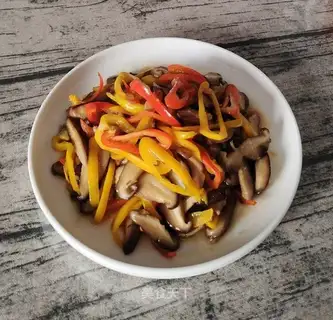
- Fresh Shiitake: Best sautéed, grilled, or added to soups, stir-fries, and pasta. Remove the tough stems (which can be saved for broth) and slice the caps.
- Dried Shiitake: Rehydrate in warm water for 20–30 minutes (reserve the soaking liquid for soups, as it contains nutrients). Use in ramen, stews, or vegetarian dishes like “shiitake bacon” (marinated and baked until crispy).
- Powdered Shiitake: Made from dried mushrooms, it can be sprinkled on eggs, popcorn, or smoothies for a flavor and nutrient boost.
To maximize nutrient retention, cook shiitake gently—avoid prolonged boiling, which can degrade heat-sensitive compounds like vitamin D2.
IV. Precautions and Potential Side Effects
While shiitake mushrooms are safe for most people, certain precautions apply:
1. Allergic Reactions
Rare but possible, mushroom allergies can cause symptoms like skin rashes, itching, or respiratory distress. Individuals with mushroom allergies should avoid shiitake.
2. Autoimmune Disorders
Due to their immune-boosting effects, shiitake may exacerbate symptoms of autoimmune diseases (e.g., rheumatoid arthritis, lupus) by overactivating the immune system. People with these conditions should consult a doctor before consuming shiitake regularly.
3. Blood Thinning
Shiitake contain vitamin K, which plays a role in blood clotting. Individuals taking anticoagulant medications (e.g., warfarin) should maintain consistent vitamin K intake to avoid drug interactions.
4. Digestive Discomfort
The high fiber content in shiitake may cause bloating, gas, or diarrhea in sensitive individuals, especially when consumed in large amounts. Start with small servings (e.g., 1–2 mushrooms) to assess tolerance.
5. Pesticide and Heavy Metal Contamination
Like all mushrooms, shiitake may absorb contaminants from their growing medium. Choose organic or sustainably sourced mushrooms to minimize exposure to pesticides and heavy metals.
6. Raw Shiitake
Raw shiitake contain a compound called lentinan, which can cause digestive upset and skin reactions (e.g., “shiitake dermatitis,” characterized by a red, itchy rash) in some people. Cooking destroys this compound, making shiitake safe to eat.
V. Conclusion
Shiitake mushrooms are a nutritional and medicinal powerhouse, offering a unique combination of vitamins, minerals, fiber, and bioactive compounds that support immune health, heart function, and disease prevention. Their versatility in cuisine makes them an easy addition to a balanced diet, while their low calorie and high nutrient density make them ideal for various dietary needs. However, as with any potent food, moderation and awareness of individual health conditions are key. By incorporating shiitake mushrooms wisely, individuals can harness their benefits while minimizing risks, making these fungi a true gift from nature for holistic health.
As research continues to uncover new therapeutic properties, shiitake mushrooms are poised to remain a staple in both kitchens and medicine cabinets, bridging ancient wisdom and modern science to promote longevity and well-being.